Higher-Tech Cars Drive Up Repair Costs for Mechanics and Consumers
As automotive technology evolves, cars are getting more and more expensive to repair. That’s because repair shops are being forced to spend more on software and calibration equipment, expenses that are being passed onto drivers, CNBC reported Saturday (Oct. 3). “The repairs of these vehicles are so sophisticated now and almost always require a laptop,” […] The post Higher-Tech Cars Drive Up…
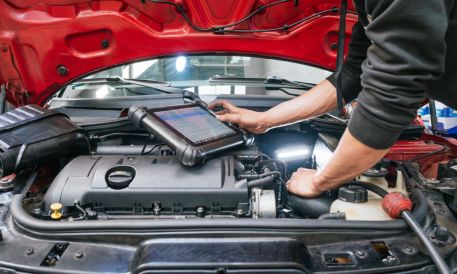
As cars become increasingly technologically advanced, repair shops are facing significant financial challenges in servicing all vehicle makes and models, according to a new report by CNBC. The expenses associated with repairing modern vehicles are on the rise, forcing repair shops to invest more in software and calibration equipment, which is then passed onto consumers.
Greg Brannon, director of automotive engineering at AAA, explained that sophisticated repairs now often require a laptop, making it increasingly difficult for independent shops to keep up.
Federal Reserve data from the past seven years shows a 60% increase in repair costs, nearly double the 32% rise in overall inflation during the same period. The exact reasons behind the price increases are unclear, but technological advancements are believed to be a contributing factor. For instance, replacing a cracked windshield is no longer as simple as ordering and installing new glass.
Nowadays, the camera behind the windshield must be calibrated, which requires expensive calibration machines, with a single machine costing around $28,000.
Brooklyn mechanic Ariella Czeisler highlighted the importance of proper calibration, warning that neglecting it could lead to unexpected car braking and potential accidents. This issue arises at a time when consumers are already struggling with the U.S. economy. The University of Michigan Surveys of Consumers reported a 7% decline in the consumer confidence index between August and September, and a 12.7% year-over-year decrease.
Factors contributing to this decline include high prices, concerns about fuel costs, and trade disputes, all of which have dampened consumer optimism regarding personal finances and business conditions.
The PYMNTS Consumer Expectations Index for September also fell by 0.7 points to 54.1, with the main reasons for the decrease being worries about the overall economy and the timing of significant purchases. The report compared the state of consumers’ finances to a car with the same fuel capacity but now burning fuel more rapidly. This situation effectively means that household savings can no longer provide the same cushion as before, as rising costs mean that savings buy less time than they used to.
Written by urgent.news from PYMNTS's reporting — not their text. Machine-written — may contain errors; check the original before relying on it.