High-tech offshore aquaculture gains momentum
Vietnam is expanding high-tech offshore aquaculture, with businesses investing in modern farming systems while calling for clearer planning, sea-use rights, and standards to support growth and exports. Coastal provinces in Vietnam draw high-end international cruise ships New management mindset unlocks sea potential Vietnam sets target of 899,857 social, rental housing apartments for 2026–2030
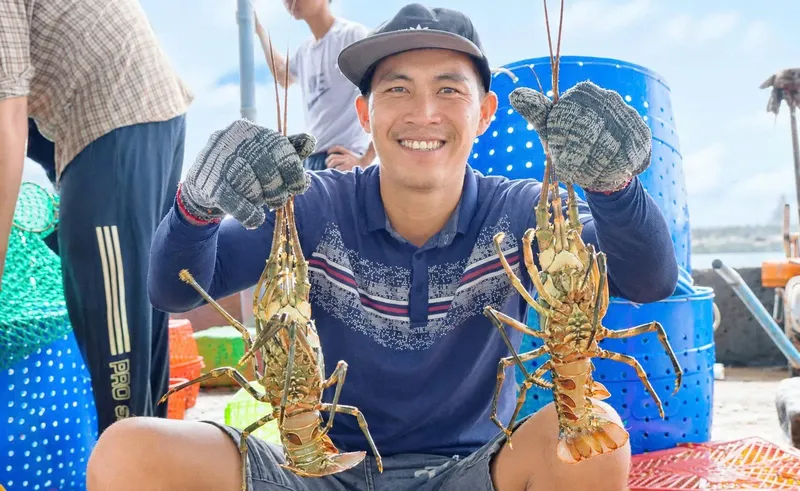
Vietnam is seeing a surge in high-tech offshore aquaculture, with businesses investing in advanced farming systems and advocating for clearer guidelines and standards. The Resolution 20-NQ/TW highlights marine aquaculture as a promising direction, moving towards industrial, high-tech, and offshore farming. Farmers need suitable breeding stock, technology, markets, and secure rights to utilize sea areas for growth.
Factors like breeding stock adaptability, fast growth, market demand compatibility, and disease control are crucial when expanding to offshore farming. Yellowtail pompano and cobia are identified as strategic species. To handle offshore conditions, HDPE cages, biotechnology, data digitization, and operating equipment are employed.
By 2045, the enterprise aims for a large-scale industrial marine aquaculture model, producing commodities to meet processing demands and export raw materials. Short-term goals include reaching 1,000 metric tons of commercial fish annually by 2030, achieving origin traceability from production to dining, and expanding export markets.
Planning delays hinder enterprises from securing water surfaces, defining farming areas, and making long-term investments. Therefore, precise planning is essential, particularly broodstock farming areas, to guarantee quality breeding sources. Several localities, including Dak Lak Province, Quang Ninh, and Van Don, are establishing large sample fields at sea.
Quang Ninh has allocated over 45,000 hectares of sea surface, with an additional 95,000 hectares proposed, totaling nearly 140,000 hectares. Van Don Cooperative replaced wooden cages with HDPE cages for yellowtail pompano, increasing yield by 19 kg/m³, profits by 13 percent, and reducing pollution and disease. STP Group Joint Stock Company collaborated with 21 cooperatives to create a closed chain, applying HDPE cages, renewable energy, and a circular economy to lower emissions while integrating experiential tourism.
Hai Phong City intends to concentrate production over 23,900 hectares, with Tien Lang Ward dedicated to mollusk farming and brackish water areas for giant tiger prawn and whiteleg shrimp. The city aims to stabilize cage fish farming and develop industrial offshore aquaculture in Cat Ba - Bach Long Vi, seeking central support for coastal and offshore aquaculture infrastructure to enhance technology, scale up production, and elevate seafood value.
The Vietnamese Standard for industrial marine aquaculture facilities is being drafted to provide a unified framework for planning, construction, operation, and management, encouraging investment, insurance, and risk management across the production chain.
Written by urgent.news from SGGP English Edition's reporting — not their text. Machine-written — may contain errors; check the original before relying on it.