Google Japan shows off wild conveyor-belt keyboard with keys that move to your fingers
This keyboard is designed so that you don't have to move your hands or arms to press its keys. It's not going to be put on sale, but you can build one yourself.
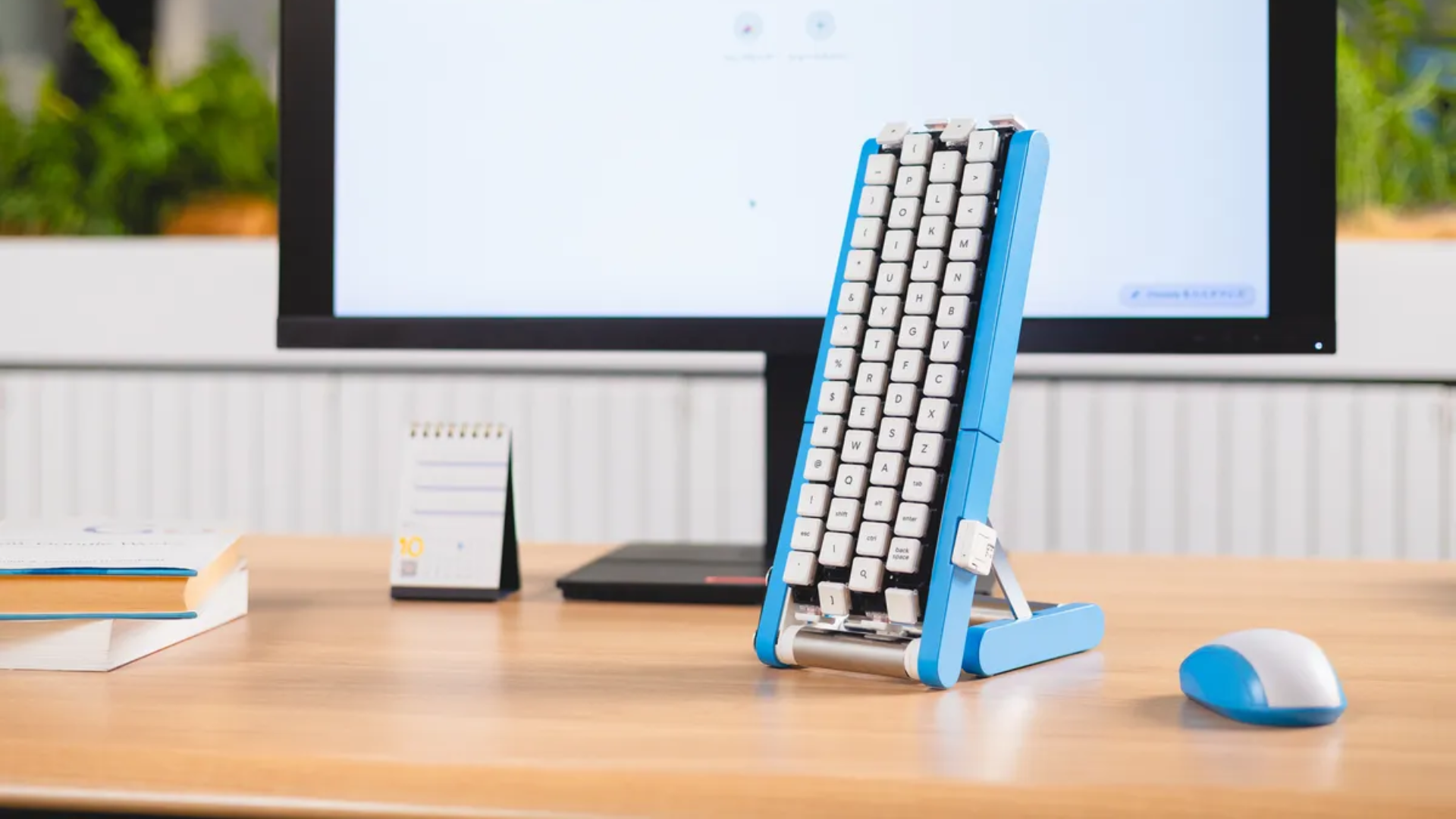
Google Japan introduced a unique keyboard known as the Gboard Conveyor Belt Version, featuring keys that move along a conveyor belt to streamline typing, particularly for single-handed use. The keyboard comprises four belts, each featuring 29 keys, making it intuitive to operate. The team behind the keyboard plans to offer diverse color options, high-speed models, and even a compact version for mobile devices.
This innovation marks the Google regional office's annual tradition of unveiling a new keyboard design on the first day of October, which it began doing in 2021, shifting from its previous April Fool's Day releases. Previous models, such as the Gboard Dial Edition, Double-Sided Gboard, and Gboard bar version, have had varying levels of practicality but have added novelty to the keyboard collection.
The Gboard Conveyor Belt Version's plans are freely accessible on GitHub, including 3D-printable files, KiCad schematics, PCB layouts, and firmware source code for those interested in constructing their own version.
Written by urgent.news from Tom's Hardware's reporting — not their text. Machine-written — may contain errors; check the original before relying on it.