Generate $6 trillion in annual revenue or face a major collapse — AI data center costs are doubling every 12 months
Regulators withdrew their completeness finding on ATC's application after 564 changes were filed, delaying grid power to Oracle's Wisconsin AI campus.
The AI industry faces a looming threat of collapse unless it can generate $6 trillion in annual revenue, according to a new report. This massive revenue stream is necessary to justify the staggering costs associated with AI infrastructure. Bain & Company estimates that spending on facilities, processors, memory, and networking could reach $1.5 trillion by 2031, with the industry needing to find $6 trillion in annual revenue to support this investment.
The report suggests that the $6 trillion in revenue would primarily come from new AI products in search, advertising, and autonomous systems, which currently generate minimal commercial value. Enterprise productivity applications, such as software development, sales, marketing, customer support, and IT operations, could contribute $1 trillion to $1.4 trillion. Consumer subscriptions and advertising are expected to generate only $200 billion to $400 billion.
To keep up with the rapid pace of AI development, leading AI labs are investing heavily in engineering efforts to help companies integrate AI faster. This investment amounts to more than $9.75 billion.
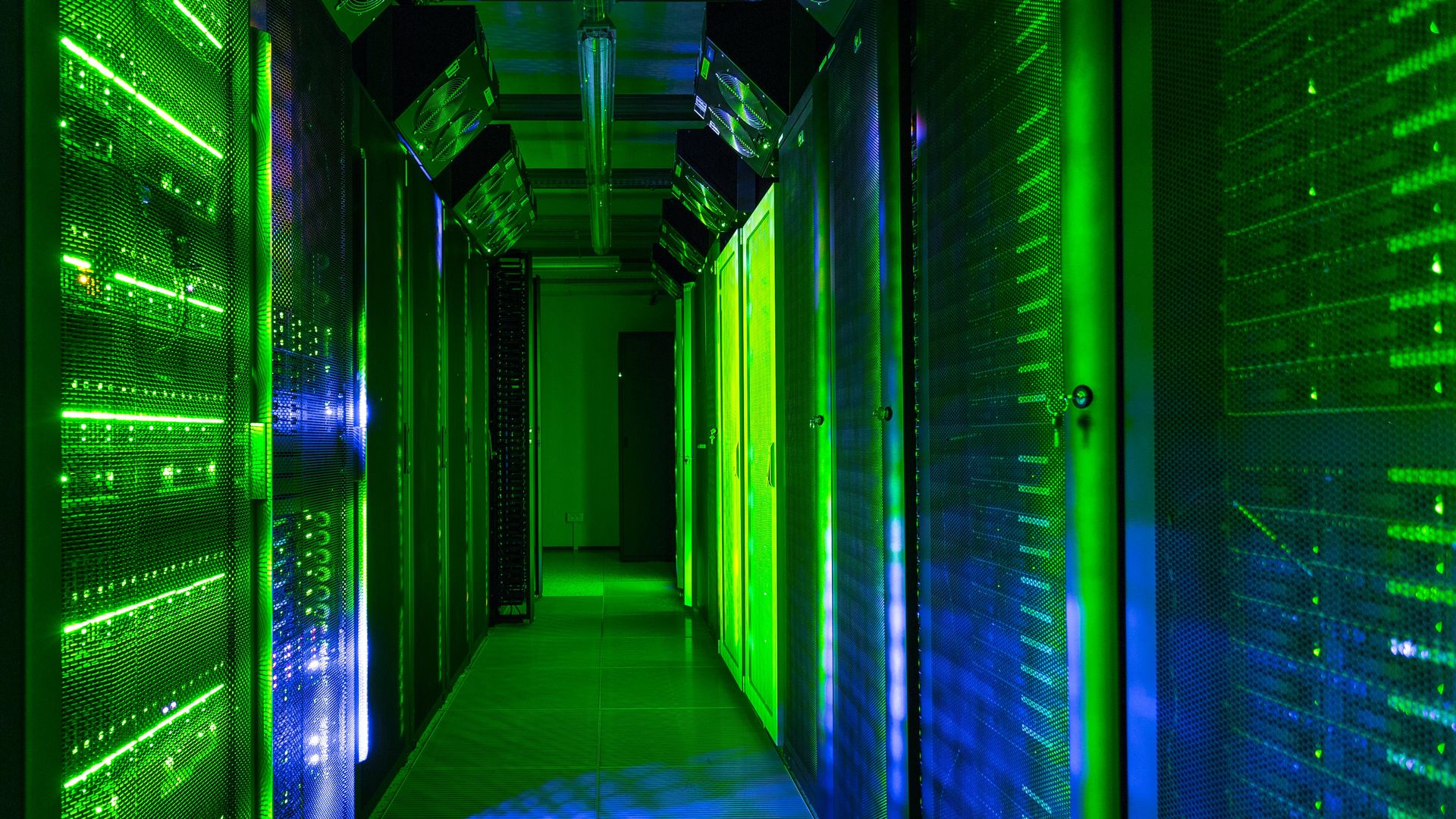
Data center expansion is exacerbating the financial pressure on the AI industry. Data center size and cost have been increasing at approximately double the rate of global infrastructure, with global facilities becoming larger and more expensive every 12 to 16 months. As an example, Meta's Prometheus facility in Ohio, which had 600MW of capacity and a cost of $24 billion in 2025, is projected to reach 2GW and $80 billion by 2027, and could increase to 5GW and $175 billion by 2029.
These expanding data centers require additional resources, including electricity generation, grid connections, advanced semiconductors, skilled workers, and equipment to support sustained operations at scale. While the industry is pouring significant money into data centers, the critical question remains whether enough economic value will be created to justify these investments.
Written by urgent.news from TechRadar's reporting — not their text. Machine-written — may contain errors; check the original before relying on it.