G20 trade ministers split over China’s industrial overcapacity
AgenciesMost trade ministers from the world’s largest economies disagreed with calls to curb excess industrial capacity at a Group of 20 (G20) trade meeting that ended on Thursday,...
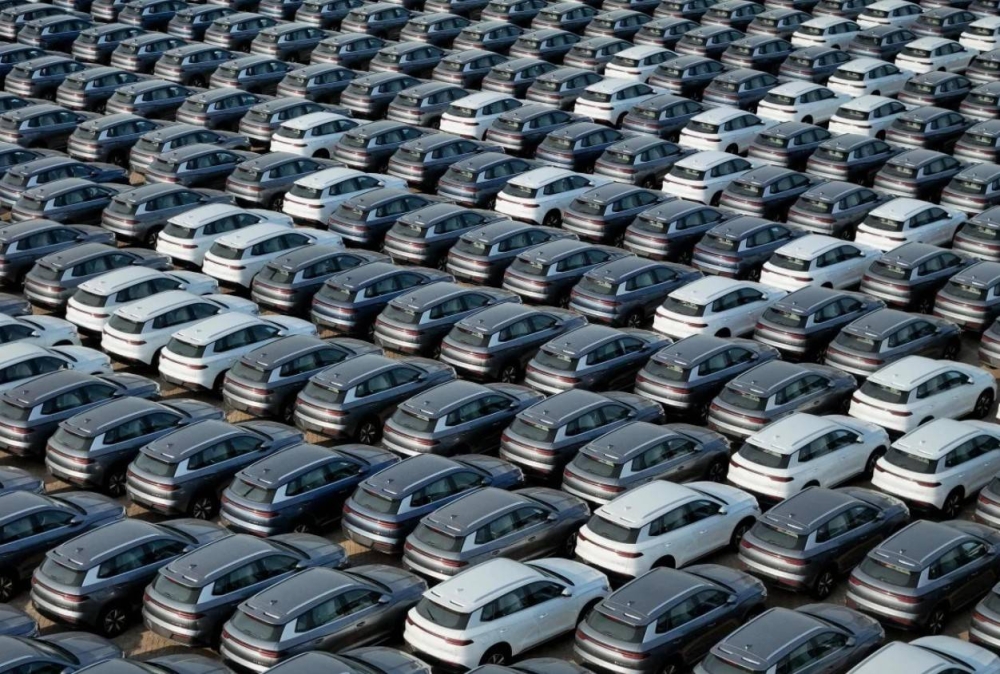
At a G20 trade meeting, most trade ministers from the world's leading economies disagreed with proposals to reduce excess industrial capacity, according to China's commerce ministry. The discrepancy highlights a contrast with a US statement claiming that only a "handful" of countries objected to the measures. The meeting, held in Milwaukee, Wisconsin, on a two-day conference, failed to produce an outcome document due to differing views among member states.
The US trade representatives had claimed that a "handful" of trade ministers rejected efforts to establish a "pathway towards cooperative action" on excess capacity and "non-market" policies such as forced labor. The differing viewpoints mean that industrial supply will be a key topic in the upcoming second round of China-EU trade talks in Beijing.
Apart from overcapacity and forced labor, the US and EU had also raised concerns about adjusting the principles behind the most-favored-nation (MFN) status in global trade, but no consensus was reached. China consistently refutes claims of excess supply, arguing that protectionism would harm global trade and supply chains and stifle long-term economic growth.
In response to the meeting, China's top international trade representative, Li Chenggang, stated that the country firmly opposes using overcapacity and forced labor as pretexts for unilateralism and protectionism. He emphasized China's openness to dialogue and cooperation on industrial policy to foster healthy and sustainable global industries.
During the meeting, Li had discussions with representatives from 11 member countries. The Ministry of Commerce also expressed concerns that undermining the MFN system would significantly damage the multilateral trading system. For the upcoming G20 Miami Summit in mid-December, China stated its willingness to collaborate with the chair state and all members while adhering to consensus and collaboration.
Written by urgent.news from Qatar Tribune Business's reporting — not their text. Machine-written — may contain errors; check the original before relying on it.