Flock cameras have an architecture problem, not just bad users
Wherever Marci Bakely went, her ex-boyfriend seemed to know. When the Georgia single mother drove to the grocery store or a date, he often texted within minutes. According to a Washington Post investigation , Bakely’s ex-boyfriend, Braselton Police Chief Michael Steffman, searched her license plates and those of her teenage daughter roughly 600 times through Flock Safety, a company that makes and…
Marci Bakely, a Georgia single mother, faced an unsettling situation as her ex-boyfriend, Braselton Police Chief Michael Steffman, constantly monitored her movements. Steffman, through the surveillance system Flock Safety, accessed her and her teenage daughter's license plates over 600 times. In November 2025, Steffman was arrested on charges of stalking, harassment, and misuse of the ALPR and was found dead before his trial.
The Washington Post investigation found that at least 50 officers were accused of misusing ALPRs, including 26 who targeted current or former partners or potential targets. Flock Safety, the company behind the surveillance system, maintains that these abuses stemmed from a small percentage of its over 140,000 monthly users and that their logs help detect misconduct. However, the investigation reveals that abuses occurred without hacking or stolen credentials, as each user willingly navigated the system.
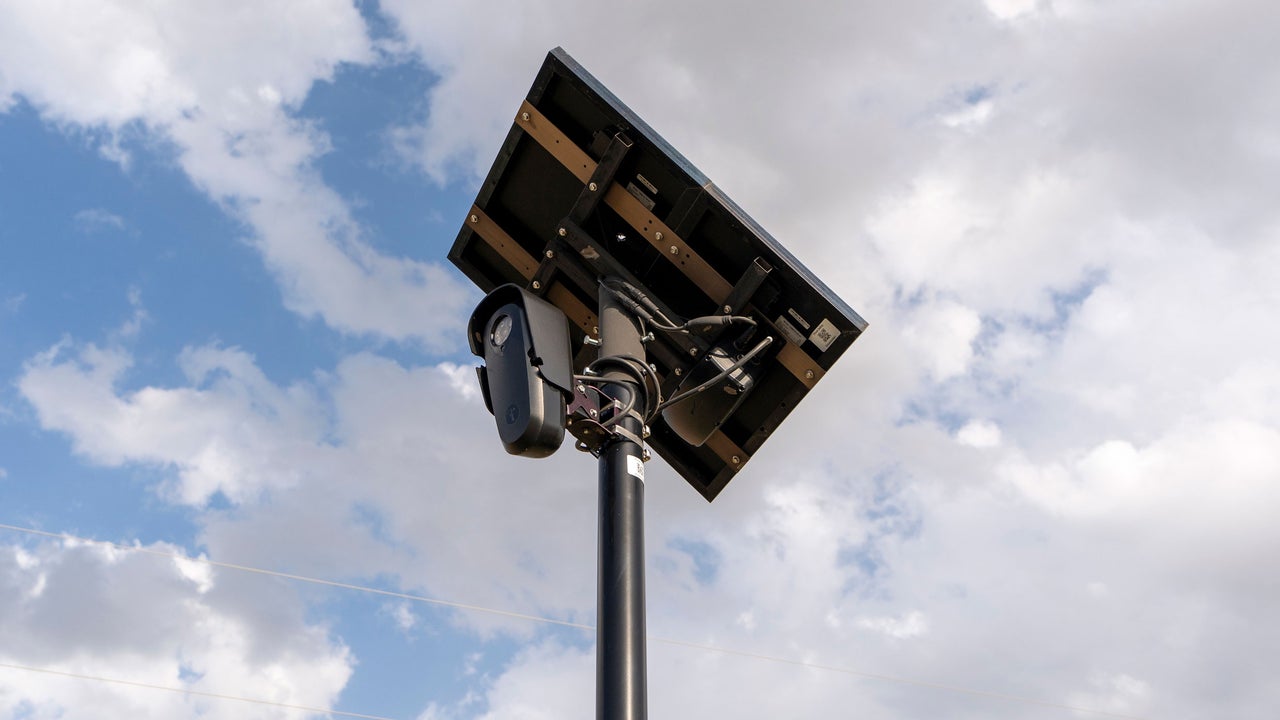
The controversy over ALPRs highlights a flaw in the surveillance system's architecture, not solely the criminal behavior of its users. Flock Safety cameras capture vehicles' license plates, locations, and distinguishing features, allowing AI to sort and analyze the data. Police departments can conduct searches without warrants or supervisory approval, posing concerns about privacy and Fourth Amendment rights.
The ease of use and potential for misuse by third parties create challenges in monitoring and controlling the system. Examples of overreach include federal agencies querying cameras in Danville, Illinois, and a Texas sheriff's office searching cameras regarding a woman's self-managed abortion, reaching Illinois where state law forbids sharing data to enforce another state's abortion ban.
The Fourth Amendment's applicability to ALPR use remains uncertain. While a Virginia appeals court ruled that officers did not need a warrant to retrieve images from a camera network, a federal judge later found that the network did not violate Fourth Amendment protections due to not capturing complete movements. The Supreme Court's recent decision in Chatrie v. United States further complicates the legal landscape.
Written by urgent.news from Fast Company's reporting — not their text. Machine-written — may contain errors; check the original before relying on it.