Fitbit Air vs Oura Ring 5 — from counting calories and steps to tracking sleep and stress, which screenless tracker should you buy?
Which of these popular screenless fitness trackers should you buy? We put them head to head.
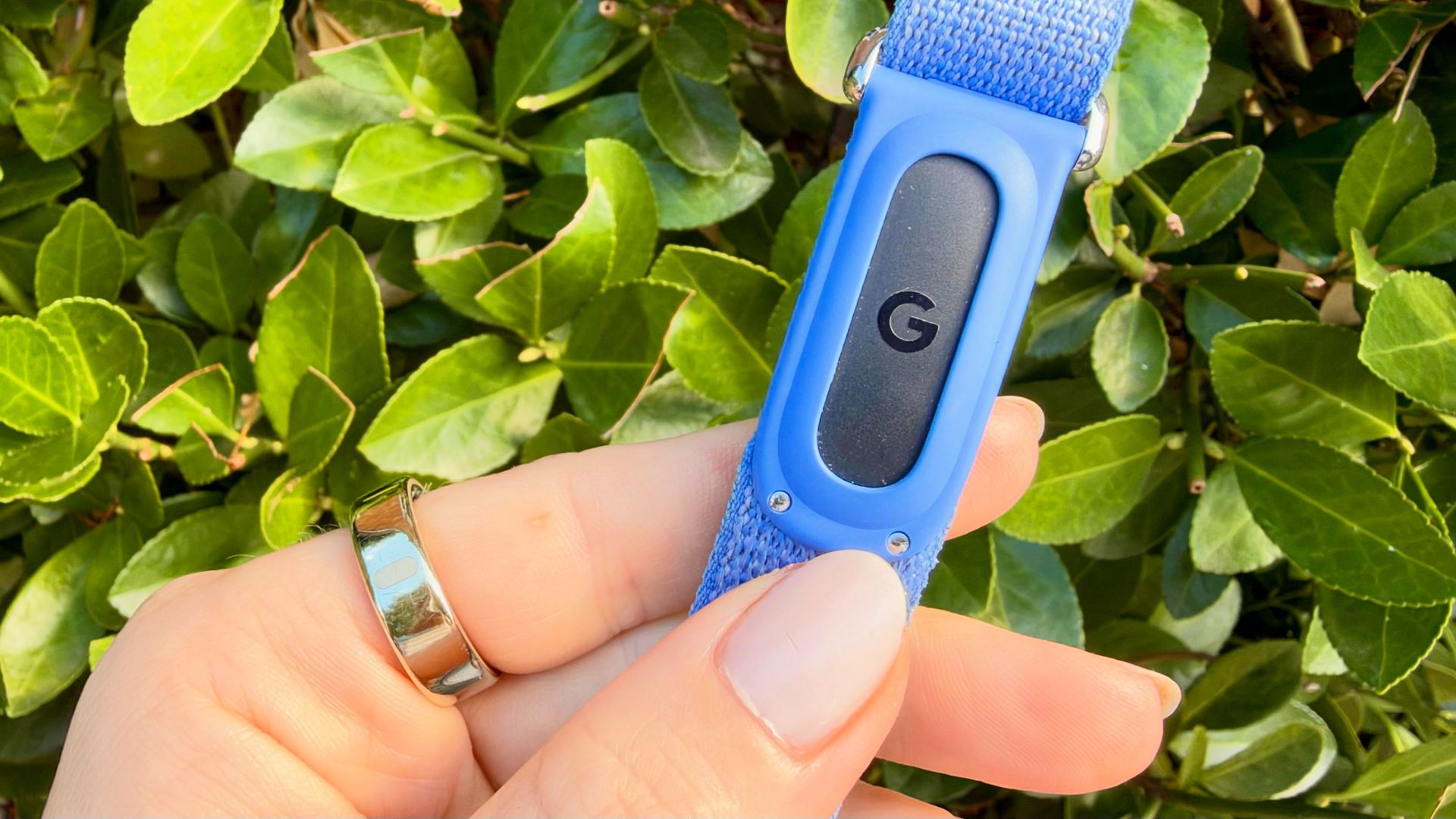
When it comes to selecting a screenless tracker in 2026, two standout options from this year are the $99 Fitbit Air and the $399 Oura Ring 5. After wearing both devices for five months, I have compared their performance across various metrics to determine which one is the better choice for your needs.
Both trackers provide similar features, including tracking heart rate, sleep, calories, and more. However, when it comes to tracking calories, the Fitbit Air and Oura Ring 5 are not particularly accurate. Both rely on educated guesses based on your age, sex, weight, and height, without considering biological differences such as your basal metabolic rate or body composition. Therefore, these readings should be taken with a grain of salt, and instead, focus on overall activity levels, workout frequency, and a balanced diet.
In terms of step counting, the Fitbit Air tends to be more accurate than the Oura Ring 5. To ensure precise step tracking with the Oura Ring, make sure it’s worn correctly on the bottom of your finger and not too tight to avoid circulation issues. Additionally, syncing the ring with your iPhone or Android Health app can improve accuracy.
In terms of design and comfort, the Oura Ring 5 is the winner, as it is the smallest and lightest smart ring on the market, resembling a piece of jewelry. It also scores high on hygiene due to its easy cleaning and lack of odor or dirt accumulation. The Fitbit Air is also comfortable, but its visibility as a fitness tracker might be a drawback for some users.
Battery life is another closely contested feature. The Fitbit Air provides seven days of battery life per charge, while the Oura Ring 5 offers up to nine days, depending on the ring size. Either device requires charging less frequently than an Apple Watch, making them both convenient options for daily use.
Sleep tracking is crucial for overall health, with both devices providing sleep scores, sleep stage breakdowns, and improvement tips. However, the Oura Ring 5 offers deeper insights into your sleep, which require a Google Health membership to access the same level of information with the Fitbit Air. This makes the Oura Ring 5 the better choice for those prioritizing sleep tracking.
Regarding stress and recovery, both devices perform well in monitoring daily stress levels. While the Oura Ring 5 edges out the Fitbit Air, the difference is not substantial. If you subscribe to the Google Health membership, Fitbit's AI health coach offers superior advice based on your sleep, workout intensity, and recovery data.
Lastly, the Oura Ring 5 surpasses the Fitbit Air in female health tracking. It offers menstrual tracking, pregnancy tracking, and menopause features, and is compatible with Natural Cycles for pregnancy planning or prevention. In contrast, the Fitbit Air lacks these capabilities.
In conclusion, if you prioritize overall comfort, larger step tracking accuracy, and a more affordable price point, the Fitbit Air is an excellent choice. However, if you desire a sleek, lightweight design, superior sleep insights, and advanced female health tracking, the Oura Ring 5 is the better option.
Written by urgent.news from Tom's Guide's reporting — not their text. Machine-written — may contain errors; check the original before relying on it.