Firefox Didn’t Just Lose the Browser War. Mozilla Slowly Gave It Away
I did not quit Firefox in one day. Brave was my backup until it became my default. This is how Mozilla slowly lost me.
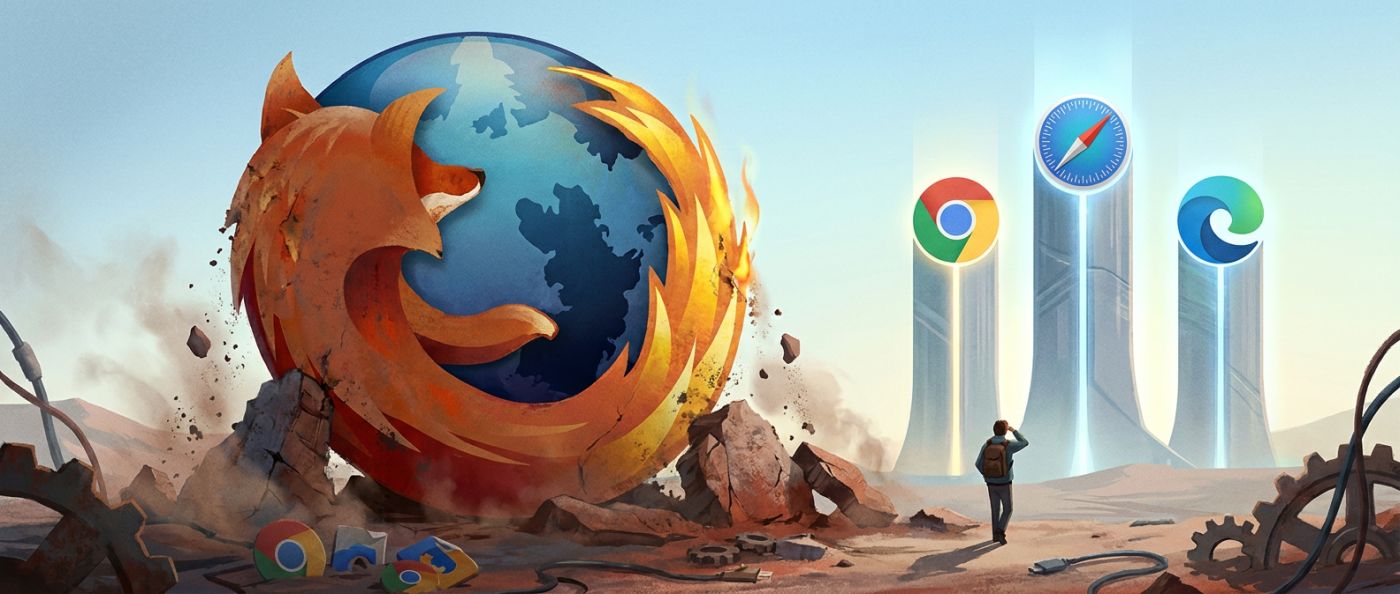
The story of Mozilla's browser, Firefox, is not one of a single catastrophic decision leading to its downfall, but rather a slow erosion of its once strong market position. Once a popular and influential browser, Firefox saw its share of the worldwide browser market dwindle from nearly one-third to less than 6% by August 2026. This decline can be attributed to a combination of factors, including delays in technical improvements, strategic confusion, and a loss of the browser's original identity.
Firefox was once known for its speed, clean interface, and respect for open web standards, providing users with an alternative to Microsoft's Internet Explorer. However, as Chrome entered the scene, it offered a more modern and efficient browsing experience, with a multi-process architecture that improved stability and performance. This shift in the competitive landscape forced Mozilla to modernize Firefox, but the process took too long.
Mozilla's effort to make Firefox multi-process, known as the Electrolysis project or e10s, began in 2016, more than a decade after Google's Chrome launched with a similar architecture. This delay allowed Chrome to become the default browser for many users, with websites increasingly optimized for Chromium-based browsers. As a result, Firefox's once promising identity as a customizable and standards-compliant alternative became less appealing.
Although Firefox still has over 200 million users, its market share has dwindled compared to other browsers like Safari, which controls Apple devices, and Edge, which has a privileged position on Windows. Mozilla's struggle to maintain and grow its user base highlights the challenges of competing in a market where being more than just a browser, but a front door to a platform, can make all the difference.
Written by urgent.news from HackerNoon's reporting — not their text. Machine-written — may contain errors; check the original before relying on it.