Explainer: How school grievances, social media and politics fuel France’s student protests
PARIS, Oct 4 — Protests by teenagers outside their schools have shaken France in recent days, with students b...
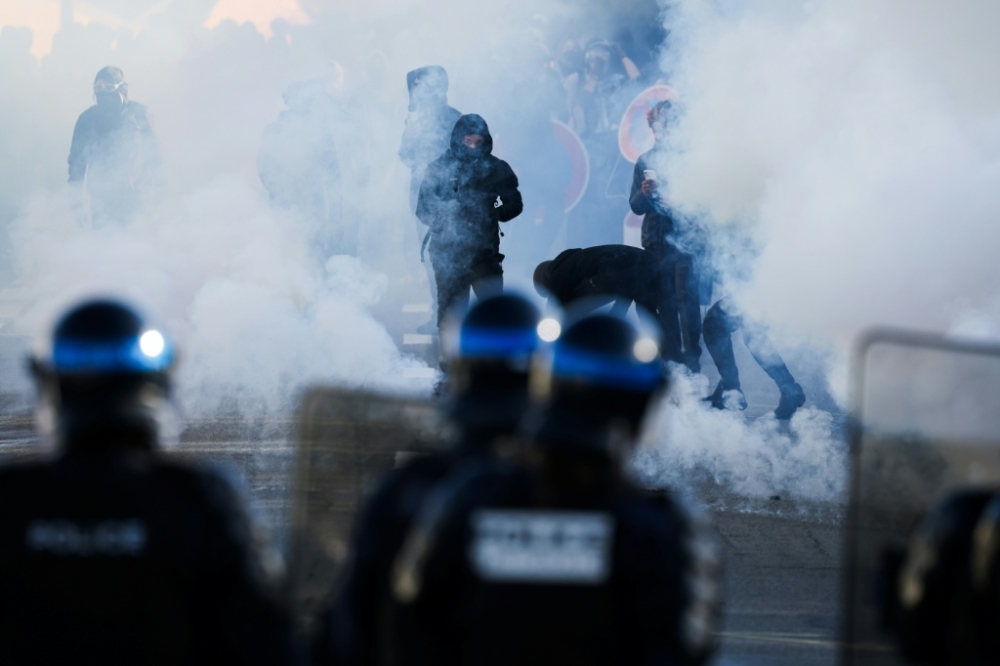
In recent days, protests by French teenagers outside their schools have taken place, resulting in blockades and clashes with security forces. The government asserts that while concerns may be valid, aggression is not acceptable and has blamed the far-left for inciting the movement. Critics, however, argue that some police officers have used excessive force against the students, who are still legally considered minors.
Since Monday, over 5,000 individuals have been arrested, and approximately 735 schools were impacted on Friday, according to the interior ministry. Another significant demonstration is scheduled for Tuesday. Here, AFP examines the origins of this movement.
Students in French lycees—high schools for teens aged 15-18—have multiple grievances, including absent teachers, poor classroom conditions, overcrowded timetables, and a school day that can last from 8am to 6pm, which some deem excessive. French sociologist Valerie Becquet notes that low-income students feel they are receiving a subpar education.
The movement began two weeks ago on September 17 at the Saint-Exupery high school in the Paris suburb of Creteil, protesting teachers' strikes over staffing shortages and inadequate resources. It gained traction across the country over the following week. Ironically, tensions abated at the Saint-Exupery school after educational authorities agreed to hire additional staff, including a deputy principal and a nurse.
The spread of dramatic images and videos on social media platforms, particularly TikTok, has further fueled the protests. Students themselves record scenes such as burning trash cans or police using tear gas. Numerous channels exploit this content to increase their audience, editing together the most dramatic moments. Sociologist Becquet argues that social media enables a narrative distinct from that presented in traditional media, which is not manufactured.
France offers all students access to lycees, yet the reality is a broad spectrum of institutions, from vocational schools to elite ones. Despite diversity initiatives, elite institutions are dominated by affluent students from white families with university-educated parents. Becket highlights the significant inequalities among students and schools as a serious issue.
The protests have emerged as a major political concern just over half a year before presidential elections. The government accuses the far-left group France Unbowed (LFI) of orchestrating the movement, while LFI official Manuel Bompard denies these allegations, calling them "conspiracy theories." LFI presidential candidate Jean-Luc Melenchon, who currently polls over 40% among 18-25-year-old voters, has supported the protests, advocating for non-violent methods.
Police have responded to the demonstrations by blocking schools, setting fire to bins, and attacking protesters with tear gas canisters, rubber bullets, and batons. Some clashes resulted in injuries, such as a young man who lost his right eye during a confrontation with police in Tours. While social media has amplified the movement, police have also faced aggression, including an officer who was chased, beaten, and kicked by youths from a school in Belfort.
Written by urgent.news from Malay Mail's reporting — not their text. Machine-written — may contain errors; check the original before relying on it.
This story
This is one outlet's version. Read the fullest account.
- Student protests in France: 400–500 schools fully or partially closed Monday euronews.com
- Up to 500 French schools to be totally or partly closed Monday nst.com.my
- BREAKING: Up to 500 French schools to be totally or partly closed Monday: minister thelocal.fr
- French high school protests: Up to 500 schools to be totally or partly closed Monday lemonde.fr