Email boundaries don’t work. Try this instead
Imagine leaving work early to collect your children, then logging back on after they are asleep. At 10 p.m., you send a few emails. You don’t expect anyone to answer until tomorrow, but your colleagues don’t necessarily know that. Conventional wisdom says the solution is simple: Don’t send email after hours. But if you don’t, you’ll be behind because you left work early. On the other hand, you’re…
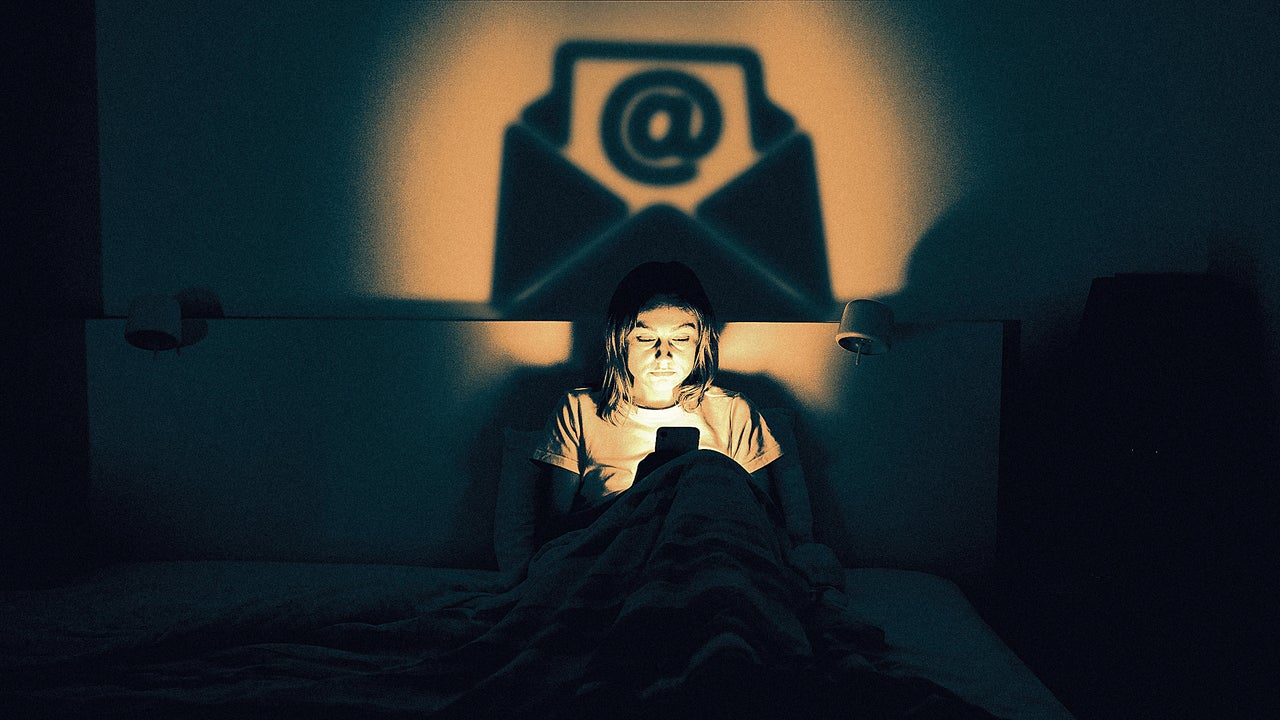
Managing email communication in a flexible work environment has proven to be a challenging endeavor. Traditional solutions, such as setting strict email boundaries and promoting digital detoxes, often fail to address the underlying issues. These boundaries can inadvertently create a "flexibility paradox" where one person's flexibility may constrain another's.
Global teams further complicate the issue, as there may be no time of day that falls within everyone's working hours. Rather than focusing on managing when people can send or check emails, managers should instead focus on setting expectations for responsiveness and how urgent matters should be addressed.
The overuse of email has also contributed to the problem. It has become a primary means of coordinating work, leading to an implicit expectation of continuous connectivity. Email overload is no longer just a communication issue, but a design problem. The "invisible metronome" effect of email sets the pace and rhythm of work, creating an illusion of urgency and influencing when people focus on their tasks.
A more effective approach is to rethink how work is designed and utilized digital tools. Deadlines can be tracked in project calendars, shared documents can be hosted in workspaces, and routine approvals can follow predefined workflows. This shift allows email to serve its purpose of documenting and facilitating work, rather than acting as the default mechanism for coordinating tasks.
By redesigning workflows and making better use of available digital tools, organizations can create a more sustainable and flexible work environment.
Written by urgent.news from Fast Company's reporting — not their text. Machine-written — may contain errors; check the original before relying on it.