El apocalipsis laboral de la IA se pospone (por ahora)
Los expertos vislumbran más cambios cualitativos (reconversión de empleos, dificultades para los jóvenes) que cuantitativos (despidos masivos), pese a las predicciones catastrofistas de la industria, y alertan del alza de la desigualdad
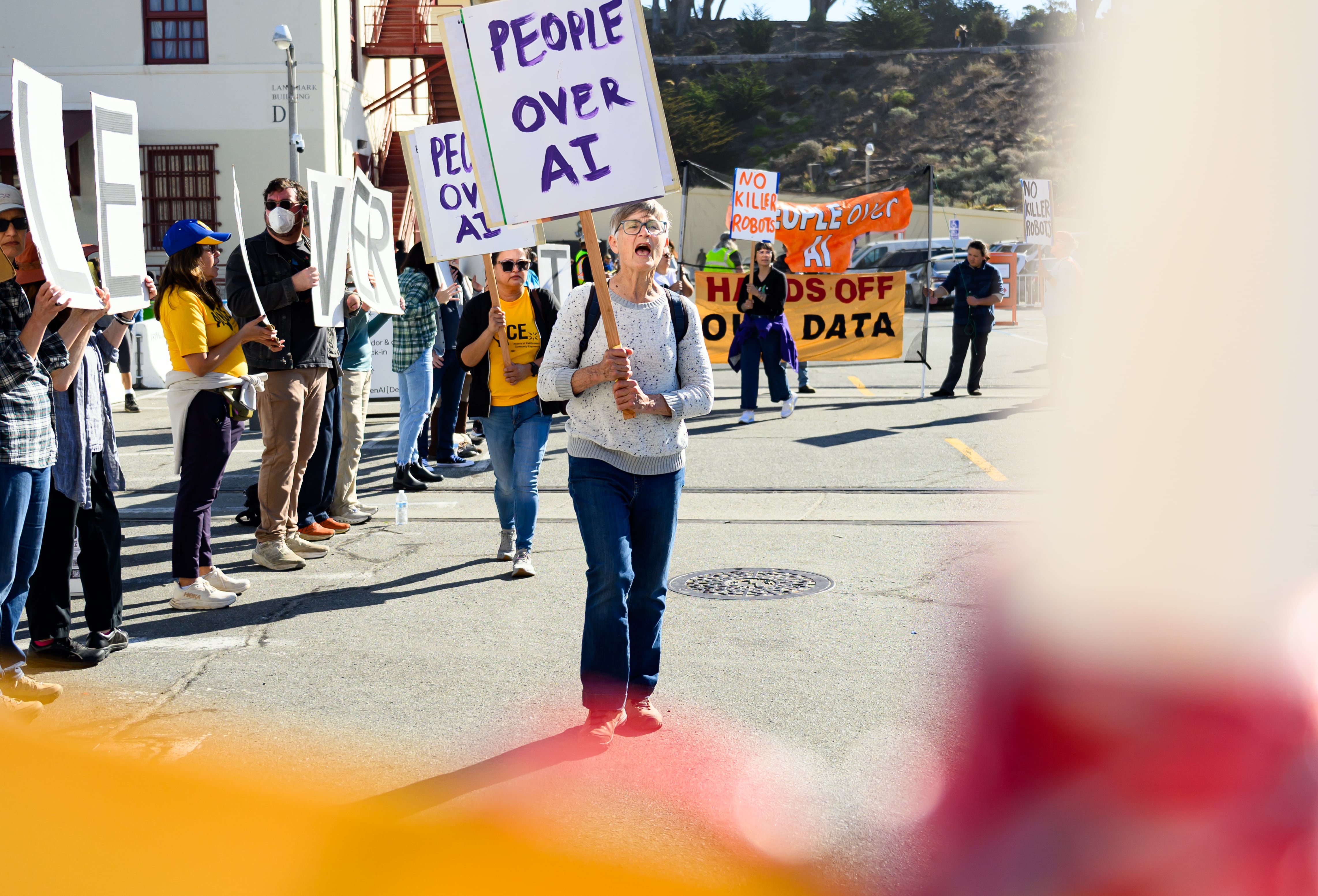
The labor apocalypse of AI may be postponed (for now). The concept of an apocalypse appears in three versions of the Book of Revelation, a text that never loses relevance. The first version describes a terrifying perspective of death descending from roaming autonomous machines driven by AI, reminiscent of Stanley Kubrick's 2001.
The second version speaks of a sector whose impossible expectations are inflating the mother of all financial bubbles to levels that could make you shiver like the Great Recession's grapes of wrath. The third version envisions the end of work, brutal reskilling, and, worst of all, the disappearance of millions of jobs, starting with the first time in history by the hands of the most educated, which could lead the global economy towards a depression, levels of inequality, and a mix of tech fatalism, resentment, and rage (which already happens, said so parenthetically, but taken to the nth power).
Utopias and dystopias are machines of novelization. Let them spew hyperbolic headlines, lyrical scowls, and syllables inflated like storm clouds. However, they often fail to reveal what is truly happening: that the hyperbolic visions are self-interested. Most of these fears are being inoculated by the very companies or the protectors of the governments, thinking about their power and their results account.
Written by urgent.news from El Pais Economia's reporting — not their text. Machine-written — may contain errors; check the original before relying on it.