DEMOCRACY ON TRIAL AT EDITORS’ CONFERENCE
The Nigerian democratic experience appears strongest in its vocabulary and weakest in its enforcement, argues FOLU OLAMITI Democracy came under searching scrutiny on Thursday 24 September 2026 as editors, lawyers and
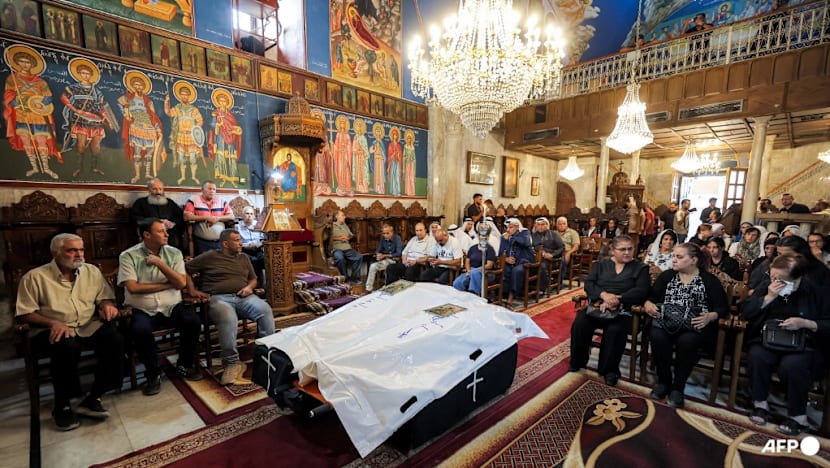
On Thursday, 24 September 2026, editors, lawyers and public intellectuals convened in Enugu for the 22nd All Nigeria Editors Conference to discuss the current state of democracy in Nigeria. The conference, titled "The Ballot, the Media and the Task of Keeping Democracy Alive," focused on the challenges faced by the institutions responsible for protecting the integrity of elections and the overall health of Nigeria's democratic project.
The first major paper, "Election Petitions in the Digital Age: Independence, Evidence, BVAS and the Courts," was presented by Mazi Afam Osigwe, SAN. Osigwe's analysis of the complex relationship between technology, election disputes, and judicial intervention highlighted the vulnerabilities of the Independent National Electoral Commission (INEC) and the judiciary in ensuring fair and credible elections.
Professor Pat Utomi delivered a brief but powerful closing remark that resonated with the audience. He warned that the democratic promise once held by many Nigerians as an "Eldorado" was gradually fading away. Utomi's warning went beyond the conference hall, prompting a crucial question: "What happens to a democracy when the institutions designed to protect it lose the confidence of the people?"
Utomi's words evoked memories of Chief Obafemi Awolowo, who, in 1983, displayed a calm yet firm response when faced with a radio bulletin suggesting that the best candidate would not win an election. Awolowo's concern was not whether he would win or lose the election, but what such a result would mean for Nigeria's democratic order. His words served as a reminder that the question today is whether Nigerians have allowed their democratic discourse to remain while its essential institutions are being weakened.
Nigeria gained independence from Britain 66 years ago, yet its democratic journey has been filled with interruptions from military coups, constitutional suspensions, and periods of authoritarian rule. The military not only took power away from elected governments but also suspended constitutions, ruled by decree, and altered the institutional architecture of the country. The return to civilian rule did not automatically restore the rule of law, as some of the habits that survived military rule continued to persist.
The late President Umaru Musa Yar'Adua recognized the dangers of the weakened democratic institutions, but his political interests proved difficult to dislodge, leaving much of his reform agenda unfinished. Subsequent administrations have faced the same challenge: building strong institutions capable of resisting political pressure and ensuring that power remains subject to the rule of law.
Today, the Nigerian democratic experience appears strongest in its vocabulary but weakest in its enforcement. While elections are held, political parties compete, governments are inaugurated, legislatures sit, and courts issue judgments, democracy is more than periodic rituals. It requires institutions that can say no to power, elections in which citizens believe their votes matter, political parties with internal democracy, courts with trusted independence, and media capable of scrutinizing those in power without fear or favor.
The Enugu conference's theme, "The Ballot, the Media and the Task of Keeping Democracy Alive," underscores the critical role of the media in maintaining democracy. Editors must report election results without becoming political actors, investigate processes without becoming tools in political battles, and hold power accountable while subjecting their own assumptions and sources to the same scrutiny demanded of public officials.
Written by urgent.news from This Day's reporting — not their text. Machine-written — may contain errors; check the original before relying on it.