Connected seaport ecosystem key to unlocking Vietnam’s maritime potential
Experts say stronger links between ports, logistics networks and industrial zones are essential to attracting cargo, boosting exports and maximizing Vietnam’s maritime advantages. Coastal economic zones shift focus to supply chains and local jobs High-tech offshore aquaculture gains momentum Coastal provinces in Vietnam draw high-end international cruise ships New management mindset unlocks sea…
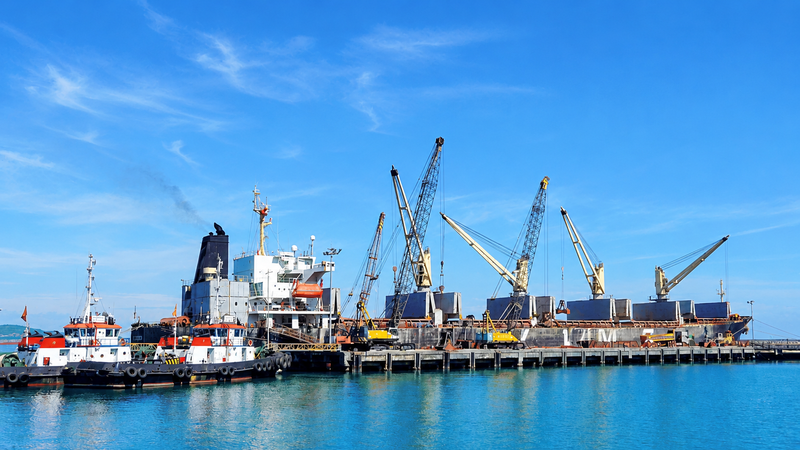
Vietnam possesses significant maritime potential, yet infrastructure challenges, fragmented planning and weak logistics capacity hinder the full value extraction from its marine resources. Becoming a formidable maritime nation is a cornerstone of Vietnam's development and global standing. Achieving this goal necessitates efficient spatial planning, technological advancement, and integration into global trade networks.
It also entails creating conditions for citizens and enterprises to foster sustainable prosperity while preserving natural resources and defending maritime sovereignty.
Resolution No. 20-NQ/TW outlines Vietnam's objective to become a strong maritime nation, while Government Resolution No. 218/NQ-CP outlines the corresponding tasks and policies. The sea is a source of livelihood and wealth, yet much of its value is lost due to congested fishing ports, poorly planned aquaculture zones, and insufficient integrated logistics and processing services.
A light drizzle fell over Zone D of Tam Quan Fishing Port in Hoai Nhon Bac Ward, Gia Lai Province, as Nguyen Van Minh's vessel returned from a successful two-month fishing expedition. His fleet of four purse-seine vessels operated around fish aggregation devices 50 nautical miles off the Spratly Islands. While each voyage yields a full fish catch, operating costs are substantial—approximately VND7 million (US$270) per person per month, with fuel and other expenses totaling VND300 million to VND350 million per trip.
Upon reaching port, the challenges persist. The narrow channel into Tam Quan Port, affected by sedimentation, often requires tug assistance, adding to costs. In 2025, Hoai Nhon Bac ranked as Vietnam's key tuna fishing region, with a 2025 catch of around 7,566 tons, constituting over 42% of the country's total ocean tuna production.
At Tam Quan Port in August 2026, tuna sold to traders for VND95,000 to VND100,000 per kilogram, while retail prices could reach VND150,000 per kilogram and restaurant fillets ranged between VND300,000 to VND500,000 per kilogram.
Despite abundant catches, much of the added value is realized elsewhere—during preservation, processing, distribution, and post-harvest services. At the end of each lunar fishing cycle, Tam Quan Port buzzes with activity as vessels unload their catches, fishermen unload seafood, refuel, replenish supplies, and prepare for subsequent voyages.
Traders await, negotiating prices, weighing catches, and transporting seafood to markets nationwide. Nguyen Xuan Nhat, a tuna procurement business owner at Tam Quan Port, noted that while fish land in Tam Quan, value-adding stages like deep processing and exports occur elsewhere. "Tuna landings have been abundant this year," he said.
"At one point, we purchased as much as 110 tons in just seven days." However, price pressures persist due to high transportation and logistics costs, compounded by the distance to major processing centers. Both fishermen and businesses bear the burden.
Deputy Head Nguyen Duc Dam of Hoai Nhon Bac Ward acknowledged the challenge, stating that Tam Quan receives approximately 23,000 tons of seafood annually. However, the absence of local logistics, deep-processing facilities, and export infrastructure restricts value creation. Most seafood is shipped for further processing, increasing logistics costs. The ward recognizes the issue and is actively seeking solutions.
Written by urgent.news from SGGP English Edition's reporting — not their text. Machine-written — may contain errors; check the original before relying on it.
This story
This is one outlet's version. Read the fullest account.