Commentary: Can unhealthy air quality in Malaysia translate to political action on haze?
The haze is a recurring regional risk that can be forecast, prepared for and diplomatically managed, says Oh Ei Sun from Pacific Research Center of Malaysia.
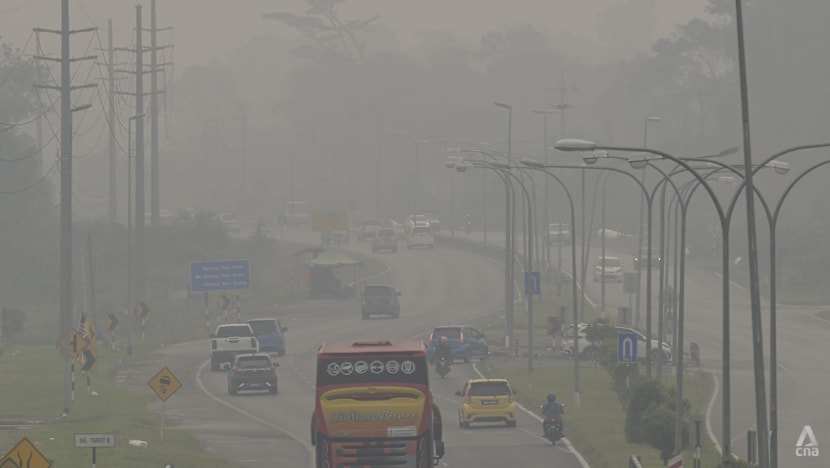
The recent haze in East Malaysia has caused significant disruptions to daily life, with outdoor events cancelled, flights disrupted, and schools closed. While Malaysia has made improvements in terms of established action plans, air-quality thresholds, and satellite monitoring, the country's response to the crisis has been largely reactive rather than proactive.
The article suggests that Malaysia should move towards a more graduated approach, establishing clear escalation levels and activating firefighting resources, medical preparedness, public communications, and protective measures well before the most severe air quality readings are recorded. This is especially crucial in Sabah and Sarawak, which are particularly exposed to fires in Indonesia's Kalimantan.
The article also highlights the limitations of Malaysia's leverage in addressing the haze issue, as much of the haze originates from fires in Indonesia, and Malaysia cannot enforce its sovereignty or rely on ASEAN's consensus-driven approach for enforcement.
Brief written by urgent.news from Channel News Asia's own syndicated text. Machine-written — may contain errors; check the original before relying on it.