Coastal economic zones shift focus to supply chains and local jobs
Coastal economic zones across central Vietnam are moving beyond attracting standalone projects, adopting supply chain-based development models that leverage anchor investors and strengthen logistics connectivity. Coastal provinces in Vietnam draw high-end international cruise ships Vietnam’s maritime potential held back by infrastructure and planning gaps New management mindset unlocks sea…
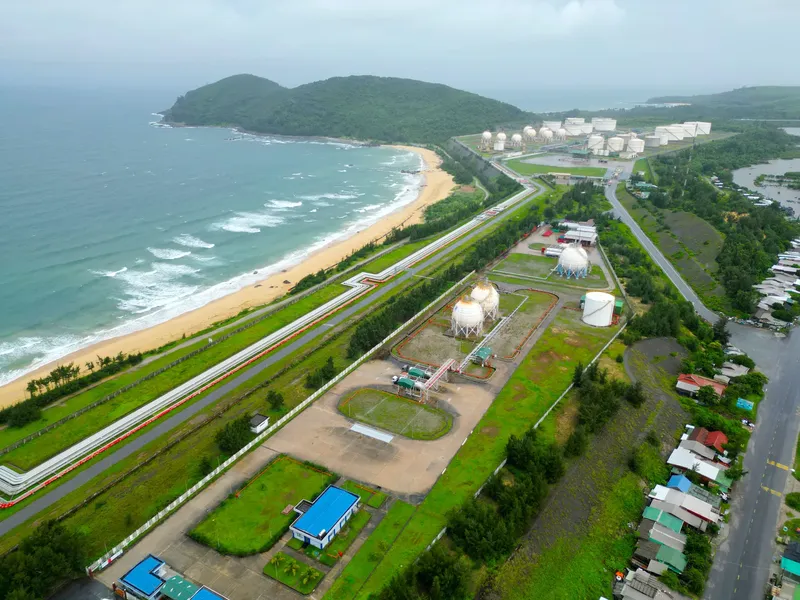
Coastal economic zones in central Vietnam are pivoting focus from attracting standalone projects to emphasizing supply chain development and job creation. Head Le Kim Son of the Dung Quat Economic Zone and Quang Ngai Industrial Parks Authority explained that previous officials greeted investors at Da Nang Airport with "Welcome to Dung Quat" signs, but now anchor firms are essential to drive regional growth.
Dung Quat's success stems from its oil refinery, located due to Prime Minister Vo Van Kiet's decision, and the deep-water port. The zone plans to invest $1.5 billion in the refinery, totaling $3.5 billion, aiming to meet 50% of domestic demand. The Blue Whale gas field will provide crucial supply for the national petrochemical and energy hub.
Hoa Phat, a major steel producer, has invested $8 billion in Quang Ngai and plans to manufacture high-speed rail steel, liquefied gas tank steel, and shipbuilding steel with a combined annual capacity of 900,000 tons. Plans also include developing the shipbuilding industry, with HD Hyundai studying the construction of a shipyard adjacent to the economic zone.
To integrate Dung Quat into logistics networks, the zone must connect its deep-water port to Chu Lai Airport and the North-South high-speed railway with a freight station in Chu Lai. The authority advocates focusing investment on major ports and connecting neighboring areas to establish shared logistics chains. Meanwhile, the Nhon Hoi Economic Zone is shifting its investment strategy to prioritize supply chains and local businesses.
Deputy Head Nguyen Thanh Nguyen revealed that the zone has attracted 148 projects with a capital of nearly VND218 trillion, now targeting high-tech industries, agricultural and forestry product processing, supporting industries, and high-value-added marine sectors. Local residents must participate in supply chains, with Van Tuong Commune in Quang Ngai experiencing a per capita income increase from fishing and farming to over VND80 million annually.
Quang Ngai aims to enhance connections between businesses and universities to train workers for the zone's industries, while Gia Lai's economic zone collaborates with enterprises and training institutions to upgrade local skills in tourism, logistics, transportation, and marine economic services.
Written by urgent.news from SGGP English Edition's reporting — not their text. Machine-written — may contain errors; check the original before relying on it.