China’s only monogamous emperor: why Hongzhi refused a harem, remained dedicated to wife
It is no secret that Chinese emperors had many women in their lives, and the imperial concubine system was a significant feature of feudal social structures. Ming-era (1368–1644) emperors could have upwards of 9,000 consorts, ostensibly to ensure an heir. Unfortunately, these women often existed in gilded prisons, barred from leaving the palace grounds and frequently subject to the wrath of a…
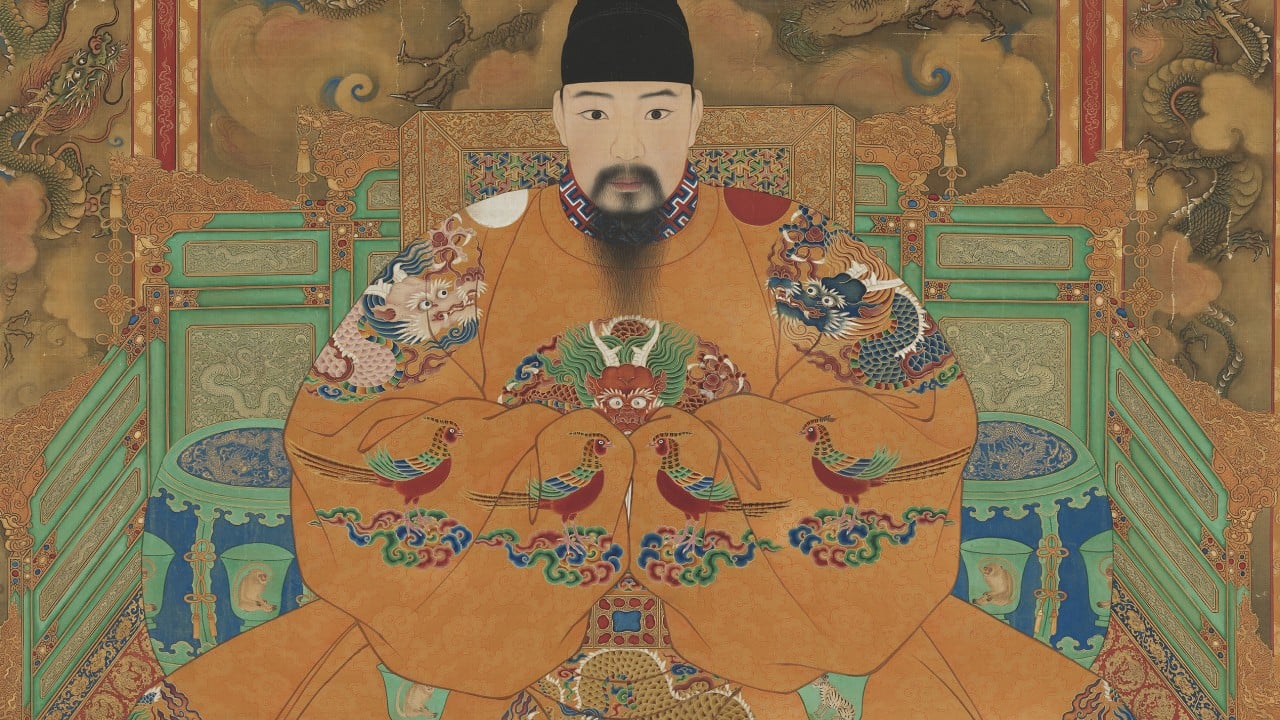
China's only monogamous emperor, Hongzhi, defied the imperial concubine system prevalent during his reign. The Ming-era emperor ruled from 1487 to 1505 and displayed loyalty to Empress Zhang, his wife, for his entire life. He never engaged in affairs or maintained a harem, unlike many of his predecessors. Hongzhi's commitment to monogamy stemmed from genuine love and a tragic upbringing, which may have influenced his decision to reject a concubine system.
Born to a low-ranking palace woman, Hongzhi faced constant threats to his life from his father's favored consort, Wan. She eliminated rivals and potential heirs, including mothers. Raised by loyal servants in the palace quarters, Hongzhi developed a deep bond with his mother, which further fueled his devotion. Despite his father's awareness of his existence after five years, Hongzhi's mother died under suspicious circumstances, leaving him vulnerable.
The trauma of his upbringing and his deep love for his wife likely motivated Hongzhi to embrace monogamy, guided by his devotion to Confucian values that emphasized the sanctity of marriage. However, Hongzhi's loyalty may have had negative consequences, particularly with his brothers-in-law, who were known for corruption and selfish behavior.
Despite these challenges, Hongzhi left a legacy of high competence and genuine dedication to the Confucian principles that many emperors merely paid lip service to.
Written by urgent.news from South China Morning Post's reporting — not their text. Machine-written — may contain errors; check the original before relying on it.