China urged to build ‘system’ to protect expanding overseas interests
Beijing has been urged to do more to protect its overseas interests with a call for diplomatic engagement to reshape international rules and deeper security cooperation with other countries. As China’s expanding global footprint comes under pressure from geopolitics and restrictions from the West, a Chinese analysis posted on the Global Security Research social media account has called for a…
Beijing has been urged to develop a comprehensive system to safeguard its growing overseas interests amid mounting geopolitical pressures and Western restrictions, according to a Chinese analysis posted on a social media account. The analysis, which did not identify its author, urged China to shift from crisis management to prevention and cooperation when it comes to its interests abroad.
It called for a systematic, coordinated system to protect these interests by streamlining responsibilities across various departments, including diplomacy, commerce, security, and military.
To achieve this, the analysis suggested Beijing should participate actively in global security governance and improve rule systems in the global investment, trade, and maritime fields. The author also emphasized the need for deeper security cooperation with Belt and Road Initiative partners, including law enforcement, counterterrorism, and transnational crime efforts. Joint working mechanisms should be established to protect Chinese companies and personnel on the ground.
With over 50,000 Chinese companies operating overseas across 190 countries and regions, China's outbound investment has remained among the top three globally for the past nine years. However, new challenges have emerged, such as legal compliance risks, unpredictable policy changes, and foreign sanctions. Some countries have used state power to suppress foreign enterprises, with national security often used as a pretext for protectionism. The analysis highlighted the US as an example of such behavior.
As Chinese entities face increasing foreign curbs, including export controls, investment screening, and financial sanctions, Beijing has sought to strengthen its legal arsenal through the 2021 Anti-Foreign Sanctions Law. However, resource nationalism and undersea cable projects have also posed challenges for Chinese mining investors and undersea cable projects in various regions.
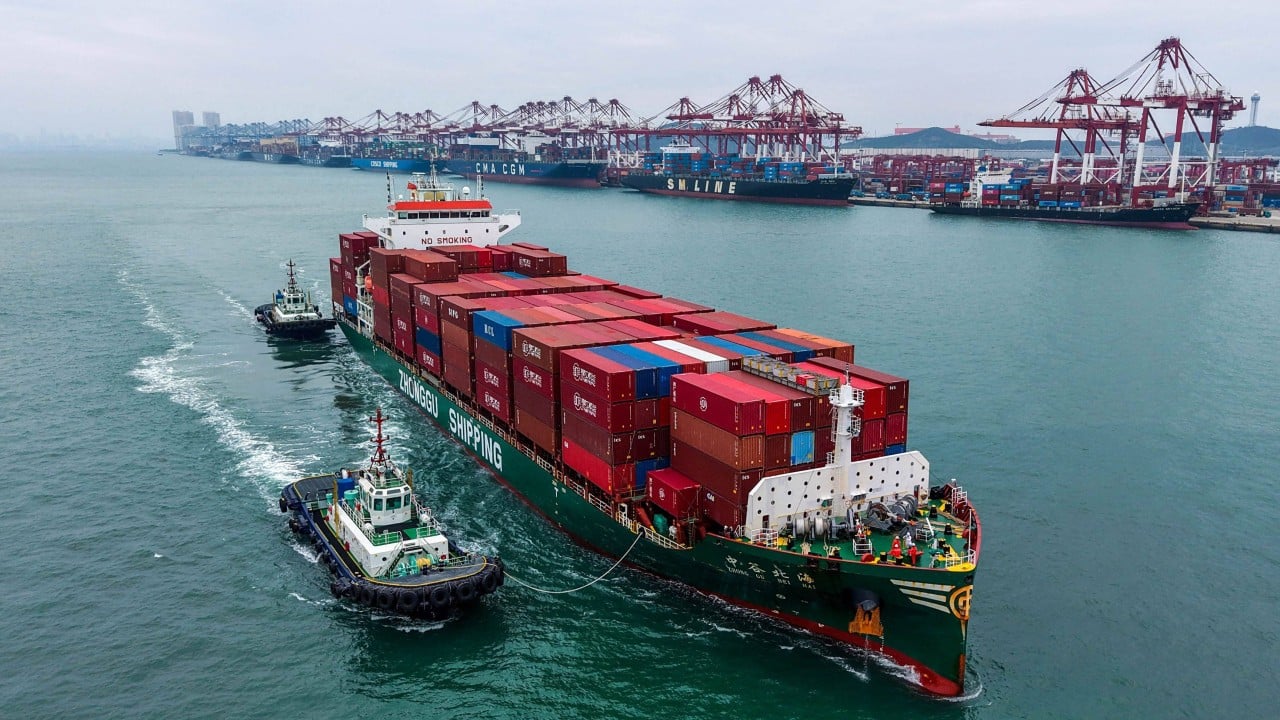
The analysis warned that disruption at key maritime chokepoints, like the Strait of Hormuz or the Strait of Malacca, could significantly impact China's economic stability. To address these risks, it stressed the need for technological support using big data, artificial intelligence, and satellite remote sensing to create a global risk monitoring and early warning platform.
Written by urgent.news from South China Morning Post's reporting — not their text. Machine-written — may contain errors; check the original before relying on it.