Chennai’s monsoon test
This year, the IMD has predicted normal Northeast monsoon rainfall, with a strong El Niño likely to strengthen it further towards the end of the year. Is the new TVK government prepared to face the monsoon, or will Chennai have to brace for another deluge?
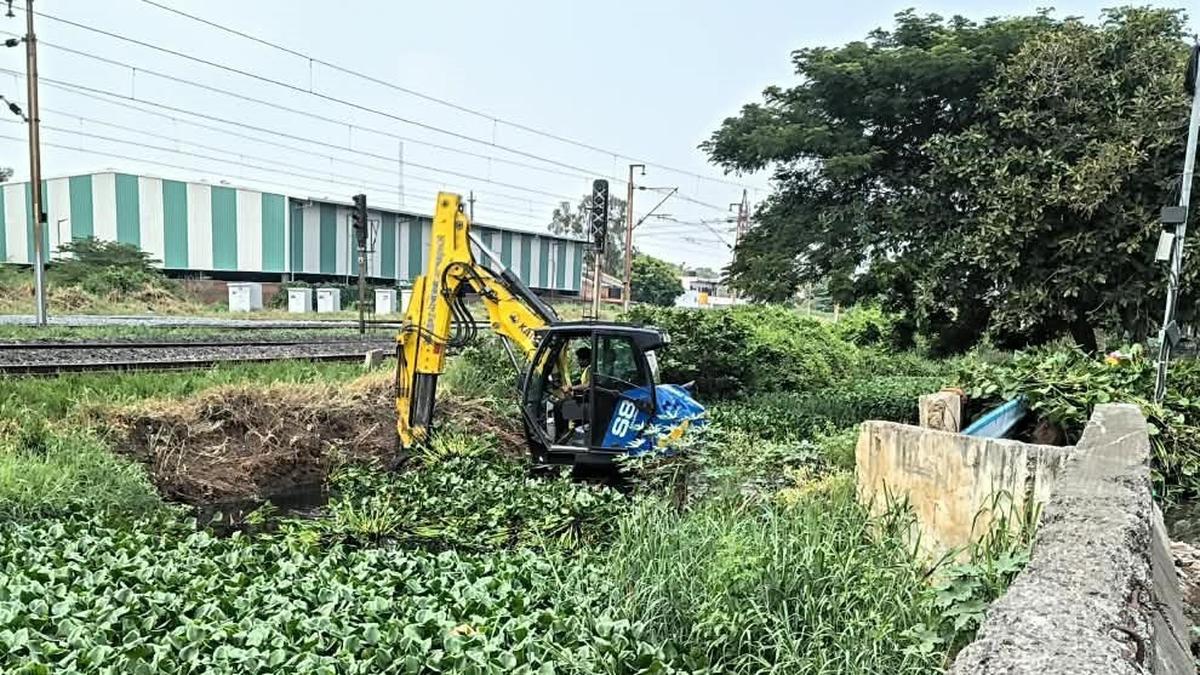
Chennai's Chief Minister, C. Joseph Vijay, has proactively initiated flood-mitigation works before the Northeast monsoon's arrival. He mandated that de-silting and stormwater drain (SWD) works be expedited to minimize potential damage. Since 2015, flood-vulnerable locations in Greater Chennai Corporation have reduced from nearly 800 to 389, with 219 expected for the 2026 monsoon season.
These locations are continuously reassessed based on on-the-ground evaluations, rainfall patterns, and the success of completed mitigation projects. Micro-level SWD works are 95% complete, but challenges persist along the Buckingham Canal, Adyar, and Sholinganallur. GCC Commissioner G.S Sameeran is collaborating with the Railways, Chennai Metro Rail Limited, and other entities on drainage and flood mitigation, implementing temporary solutions like pumping facilities.
However, concerns have been raised regarding consultation and transparency during flood-preparation inspections. Residents have expressed worry over a lack of updates on flood readiness. Activists point to unchecked urbanization as a primary cause of vulnerability, particularly in southern Chennai, where built-up spaces and encroachments have choked natural watercourses and polluted canals.
Urban planner K.P. Subramanian recommends regular desilting and zoning regulations to designate flood-prone areas. Climate researcher D. Raghunandan urges redesigning the SWD network to handle extreme rainfall events. Wetlands and lakes must be protected, and water conservation should be prioritized to mitigate both floods and droughts.
Written by urgent.news from The Hindu's reporting — not their text. Machine-written — may contain errors; check the original before relying on it.