Charcha Time: When Outrage Fades, Who Keeps Fighting For Justice?
Less than two weeks ago, a video from Bihar’s Jamui showed two Class 10 students returning from coaching allegedly stopped, assaulted and molested on a road. Outrage was swift and arrest followed. Social media filled with hashtags, feeds fill and attention quietly moved on while survivors still wait for justice. The harder question is whether anger can become a pressure on legal institutions.…
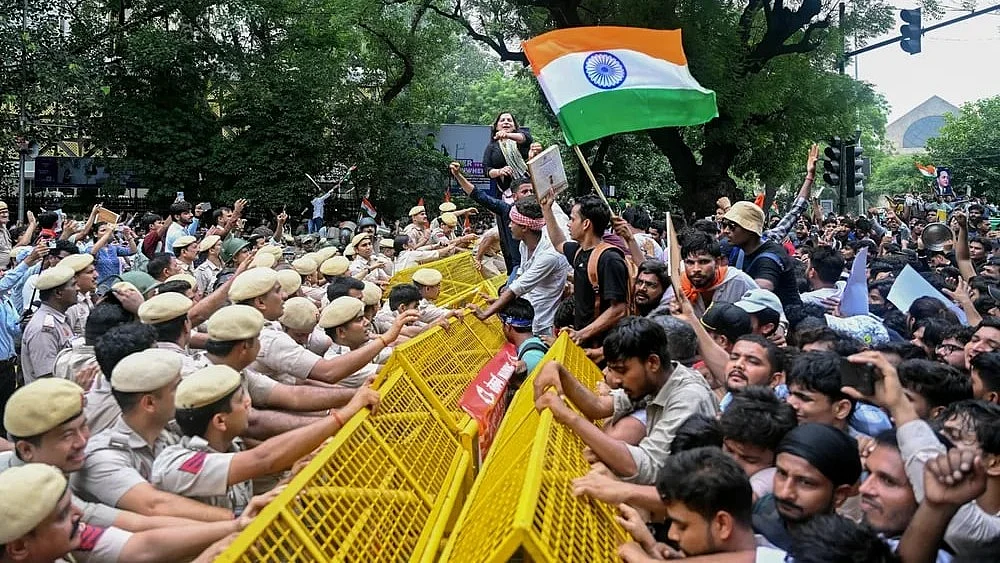
Less than two weeks after a video emerged in Bihar’s Jamui showing two Class 10 students returning from coaching allegedly stopped, assaulted, and molested on a road, outrage was swift and arrests followed. However, as the attention quietly moved on, survivors still waited for justice. The crucial question is whether anger can become a sustained pressure on legal institutions.
Satya Tirtharaj Ghosal moderated a debate, questioning the lack of structure in response to outrage. Rajat Kanti Mondal, a CPI(M) activist and advocate, argued that while there was anger, there was a lack of organizational structure. He pointed out that protests like those after Nirbhaya, Hokkolorob, and RG Kar faded due to a lack of staying power, with student unions playing a crucial role in keeping protests alive.
In contrast, sexual violence has no natural home, as every case is local, and survivors often fear exposure. On social media, a hashtag can spark outrage, but it cannot summon a police officer or a judge. It is only a physical presence outside a police station that can make a difference. The screen offers anonymity, which helps survivors speak, but algorithms reward attention over outcomes.
People tire of injustice but tire of anger with nowhere to go. Establishing structures such as student complaints cells or legal-aid desks can help convert anger into sustained work. The first question at any march is often which party is behind it, and the presence of trolling, doxxing, and selective outrage can make staying home seem rational.
To overcome this, consistency is key. Victims should not be ranked; otherwise, we have already lost the argument. To ensure lasting impact, three groups must work together: AIDWA for stamina, students for bodies, and creators for reach. Demands that outlast a verdict are essential. Hang the accused should continue even after the verdict is passed.
Achieving police accountability, fast-track courts, street lighting, and other measures requires years of pressure and a budget. Solidarity across class and caste is necessary, so that a Hathras case receives the same vigilance as a Park Street case. Outrage is a feeling, but a movement is a routine. People who keep turning up after the trend is gone are the true movement.
Esha Das, an advocate at Calcutta High Court, emphasized that normalization of the abnormal is a problem. Over 30,000 rapes are recorded yearly in NCRB data, and many never reach a police register. Outrage flares after high-profile cases like Nirbhaya, Kathua, Hathras, or RG Kar, but it fades while failures persist. Despite amendments in 2013 and 2018, POCSO, Zero FIR, and other laws, on the ground, many survivors still face refused FIRs, character-based questioning, and decade-long trials.
The laws exist on paper, but negligence is the real failure. Adjournments, hostile witnesses, and lakhs of pending cases make young women believe that silence is cheaper than speaking out. Protest only works when people believe it can lead to change; those who believe nothing will change withdraw. Many women are unaware of their legal rights, such as filing a Zero FIR, claiming free legal aid, or having their identity protected.
Awareness turns fear into leverage, but legal literacy often stops at the city limits. Without rights being explained in a survivor's own language, they remain rights in name only. Media coverage often focuses on clothing, timings, and graphic details rather than addressing why FIRs are delayed or trials stall. The focus should be on the state's failures rather than the survivor's experience.
Dishari Paul, a media professional, shared her own feelings of heaviness when hearing about sexual-assault cases. She questioned why similar stories keep appearing daily and emphasized the importance of speaking out when silence feels more uncomfortable than fear of involvement. She encouraged standing behind survivors instead of just expressing sympathy online.
Sexual violence is often shrouded in stigma and conditioning, leading many survivors to fear judgment or victim-blaming. Excessive exposure to such incidents can also numb people's reactions, turning outrage into helplessness. While social media can raise awareness, it is not always a fire. Visibility is not the same as action. Black screens and hashtags may disappear, but the issue persists.
Influence truly matters only when it moves beyond the screen, as seen at Jantar Mantar. Trust in institutions is fragile, and if incidents like RG Kar, despite receiving immense attention, still leave questions about justice, how can we expect justice in cases that go unnoticed? Building trust requires transparency and accountability.
Urmi Pal, a B.Tech student, echoed similar sentiments, expressing anger, sadness, and frustration at the recurring sexual violence. She believed that staying silent only makes it easier to ignore the problem. Her decision to speak out or protest depended on the seriousness of the case, the victim's access to justice, and whether her participation could build real pressure for change.
Young people were more likely to connect with issues that affected their daily lives or trended online, but sexual violence was often uncomfortable, leading many to avoid it due to fear of victim-blaming or the belief that protests wouldn't make a difference. To overcome this silence, social media awareness alone was insufficient. Posts raised awareness, but real change required peaceful protests and public action.
Written by urgent.news from Free Press Journal's reporting — not their text. Machine-written — may contain errors; check the original before relying on it.