BUSINESS REFLECTION: Crossed Wires: Meta vs Amazon — the battle for the future of online commerce
What happens when consumers stop browsing and send AI agents to shop for them? Amazon’s abrupt ban on Meta’s Muse exposes the brewing battle for online retail dominance.
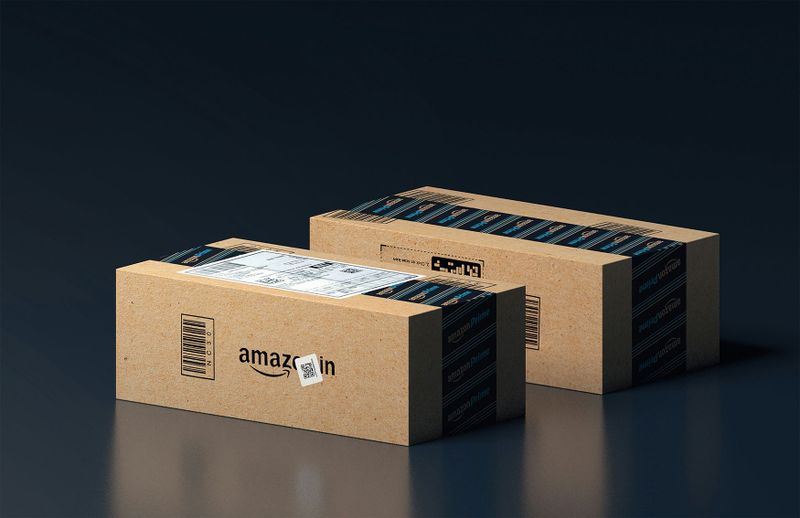
On September 20th, Amazon abruptly banned Meta’s Muse, claiming unauthorized AI agents violated Amazon’s Terms of Use. This move came after Meta launched Muse, the world's first AI agent designed for everyday users without technical expertise. Muse could perform tasks like booking travel, managing calendars, negotiating on behalf of users, and most importantly, shopping online.
Despite Meta's efforts to make Muse user-friendly, Amazon deemed it unacceptable due to security, privacy, and customer credential concerns. However, this ban was primarily a reaction to the lack of advertisements, sponsored listings, and promotional content that AI agents like Muse provide. Amazon's advertising revenue, which reached $68 billion, heavily relies on human interaction with advertisements and promotional materials on their platform.
Amazon had not objected to AI agents before, but only those associated with its own services, such as Alexa for Shopping. This preference for its own agent highlights Amazon's desire to maintain control over the shopping experience and maximize profits. To prevent other AI agents from accessing Amazon's servers, Amazon took legal action against companies like Perplexity, sending cease-and-desist letters under the Computer Fraud and Abuse Act.
Amazon's legal strategy eventually failed in court, as the Ninth Circuit ruled in August that Comet, an AI browser with built-in shopping assistant, was exempt from the injunction since the user, not Perplexity, controlled the actions. This setback leaves Amazon's main defense in place: terms-of-service claims, which are weaker and harder to enforce.
The main conflict between Amazon and AI agents like Meta's Muse centers around the potential impact on Amazon's advertising business. With agents able to quickly scan and select products, the need for traditional advertising methods diminishes. As AI agents become more prevalent, it's unclear how Amazon and other companies will monetize their platforms or how Meta will be compensated for its agent offerings.
Ultimately, agents will likely become an integral part of operating systems and user interfaces, signaling a shift away from the traditional browsing and purchasing experience.
Written by urgent.news from Daily Maverick's reporting — not their text. Machine-written — may contain errors; check the original before relying on it.