Beijing fights invasive moths with parasitic wasps and caterpillar-catching contests
Authorities in the Chinese capital are releasing more than a billion parasitic wasps and encouraging caterpillar-catching competitions to try to contain the spread of the invasive North American fall webworm. The caterpillars have blanketed trees in Beijing and surrounding areas this summer, spinning clouds of greyish-white webs as they eat their way through foliage. The insects are the fuzzy…
Beijing authorities are battling an invasion of North American fall webworms by deploying over a billion parasitic wasps and organizing caterpillar-catching competitions. These invasive moths have coated trees in Beijing and nearby regions with gray webs this summer, threatening hundreds of plant species. Professor Chen Min from Beijing Forestry University revealed that this year's larvae have a higher spread risk due to a warm winter and rainy summer, conditions that also disrupt pesticide effectiveness.
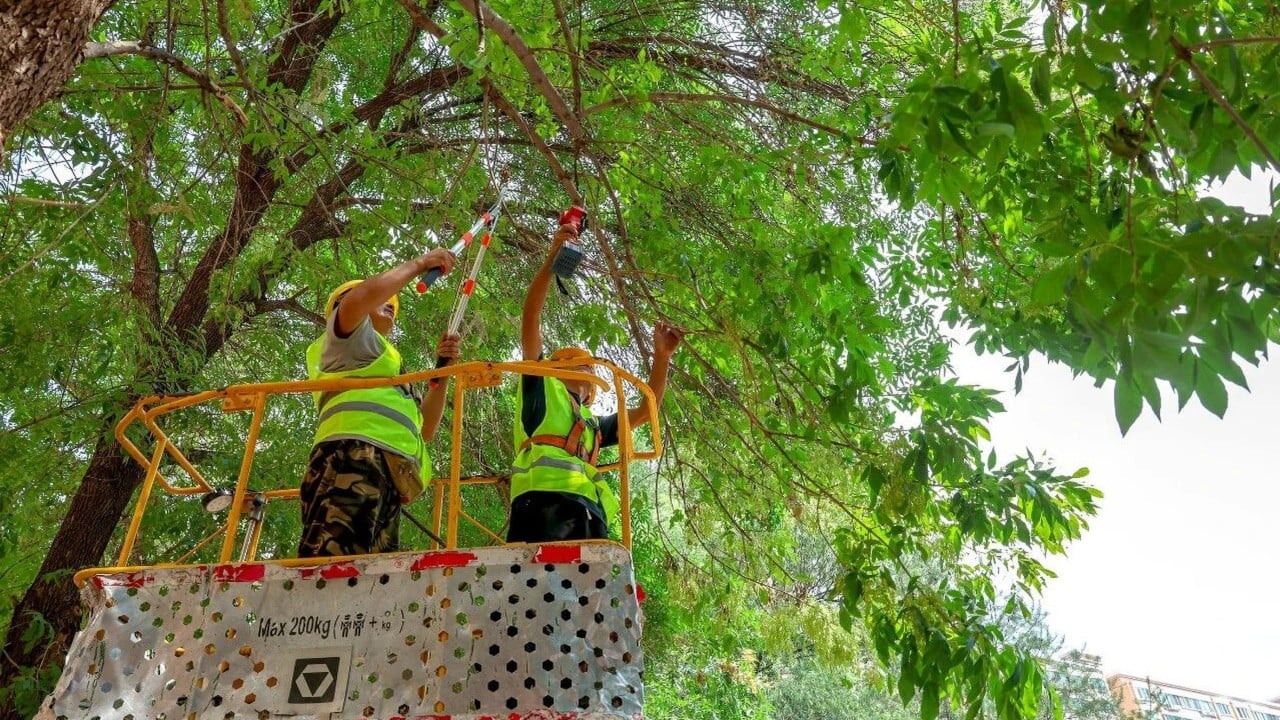
To control the outbreak, municipal workers have physically removed webs, trapped moths, and sprayed pesticides. Around 3,000 monitoring sites have been established in Beijing for guidance, while community members have also joined in with caterpillar-catching contests and reporting infected trees. The fall webworm, originally from North America, was unintentionally brought to Europe in the 1940s and now infests 13 provincial areas in China.
First detected in China in 1979, this generation is the third, with the first generation in May posing the greatest threat. Chen highlighted that better coordination and adaptation are necessary for control measures, as climate change is expanding the pest's habitat range.
Written by urgent.news from South China Morning Post's reporting — not their text. Machine-written — may contain errors; check the original before relying on it.