Baltikum: In Lettland klarer Wahlsieg von Regierungschef Kulbergs
Erst im Mai gab es in Lettland wegen Drohnenvorfällen einen Regierungswechsel. Nicht einmal ein halbes Jahre später stand nun die Parlamentswahl an. Sie bringt einen großen Gewinner hervor.
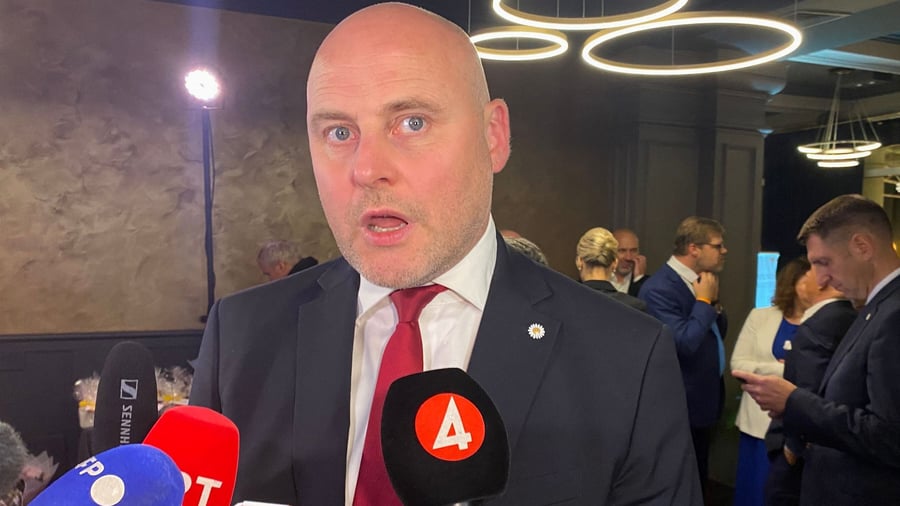
In Latvia's recent parliamentary election, voters prioritized national security concerns and social issues, leading the United List headed by Prime Minister Andris Kulbergs to emerge as the strongest party. The United List secured 42 out of 100 seats in the Saeima, nearly tripling their previous mandate. Kulbergs, a 47-year-old leader, is expected to continue his course and steadfast support for Ukraine, which Russia has been attacking.
However, it remains unclear how the future government will look in this small Baltic nation of approximately 1.9 million people. Kulbergs took office in May as part of a four-party coalition with conservatives and centrists, replacing the previous government after a dispute over drone incidents. Many political scientists view this outcome as a "moment of destiny" for Kulbergs, with many within his center-right party crediting the ex-entrepreneur for his electoral success.
The United List, a coalition of green, conservative, and economic-oriented groups, is expected to receive nearly half of the Saeima's seats for the first time since Latvia regained independence from the Soviet Union in 1991. Kulbergs emphasized in his first reaction that the electorate's demand for change was met by focusing on the economy and security.
He campaigned on the slogan "Kulbergs is the solution," positioning himself as an architect and spokesman of clear words. The nearly two-meter-tall leader presented himself as a doer and man of decisive statements, advocating for a strong economic approach to fix Latvia's finances. Populist forces also saw significant gains, with the second-strongest party being Lettland first (17 mandates) and the Sovereign Power (14 mandates), neither of which are likely to be part of the government.
Their election promises resonated particularly with voters from the Russian-stem minority, who view the large neighboring East differently than the majority population. Among Kulbergs' three coalition partners, only two made it into parliament: the nationalist National Alliance (11 mandates) and the liberal-conservative New Unity (7 mandates).
The left-leaning Progressives (9 mandates) will have a representation as one of six political forces in the parliament. The United List announced that they will initially discuss forming a coalition with their existing partners. Security and defense were key themes during the campaign, as drone incursions into Latvia's airspace had been a recurring issue since spring.
In response to these threats, Riga had requested NATO allies' support for a safe election. The Bundeswehr deployed four Eurofighters to Latvia. Social and economic issues also played a significant role in the election. With Latvia heavily investing in security, the nation lacks funds elsewhere, leading to strained healthcare, migration, aging, high prices, low wages, a stagnant economy, and many complaints.
Written by urgent.news from Handelsblatt's reporting — not their text. Machine-written — may contain errors; check the original before relying on it.