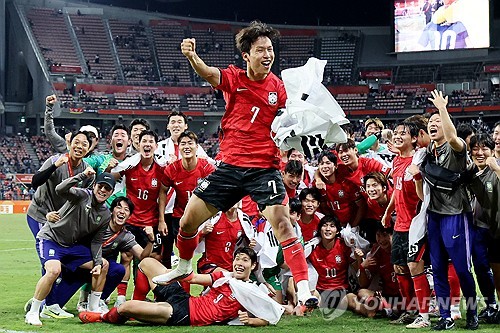
(Asiad) Accommodation, transportation problems mar 2026 Aichi-Nagoya Asian Games
NAGOYA, Japan, Oct. 5 (Yonhap) -- With more than 15,000 athletes and officials b...
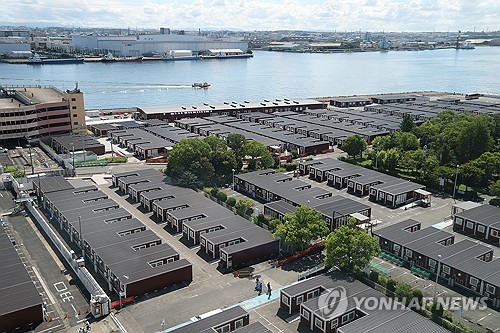
The 2026 Aichi-Nagoya Asian Games concluded with operational issues plaguing the 16-day event, including accommodation and transportation problems. Prior to the competition's opening on September 19, concerns over accommodation shortages and subpar lodging for athletes surfaced. Organizers opted for a cost-cutting and eco-friendly approach, providing accommodations on a cruise ship, in temporary container units, and in various hotels for approximately 15,000 athletes and officials from 45 nations.
Some 9,000 athletes were assigned hotels, while 4,000 stayed on the Costa Serena cruise ship and another 2,000 resided in a complex of wooden container units. South Korean athletes from five sports, such as men's basketball, ju-jitsu, and cycling, were housed in the container village, with each container capable of housing up to six individuals.
South Korean athletes expressed dissatisfaction with the meals served on the cruise ship, leading to weight loss for some, like Park Hye-jeong, who won a silver medal in the women's +86-kilogram weightlifting event. Transportation issues plagued the games as well, with the South Korean football team arriving late for a match, the men's national basketball team missing their shootaround hours before the final against host Japan, and the men's volleyball team experiencing a similar transportation mix-up.
In a controversial incident, the South Korean national flag was improperly raised during the medal ceremony for the men's hockey match against North Korea, and the South Korean anthem was played instead of the North Korean anthem. South Korea, along with China and Vietnam, experienced operational problems during the games. The South Korean Sport & Olympic Committee (KSOC) filed a complaint with the Asian Games organizing committee and the Olympic Council of Asia (OCA) over the shoddy operations, with KSOC President Ryu Seung-min criticizing the organizers for their "failing grade."
Experts attributed the operational mishaps and controversies to public indifference and governmental cost-saving efforts. The OCA is exploring measures to restore the Asian Games' authority, prestige, and popularity, including holding the games in the year preceding the Summer Olympics and using some events as Olympic qualifiers to attract top-tier athletes.
Written by urgent.news from Yonhap News's reporting — not their text. Machine-written — may contain errors; check the original before relying on it.