APOD: 2026 October 4 – Supernumerary Rainbows over New Jersey
APOD Science APOD APOD: 2026 October 4 –… Today’s APOD Archive Submissions Index Search Calendar RSS Education About Discuss APOD Astronomy Picture of the Day Discover the cosmos! Each day a different image or photograph of our fascinating universe is featured, along with a brief explanation written by a professional astronomer. Supernumerary Rainbows over […]
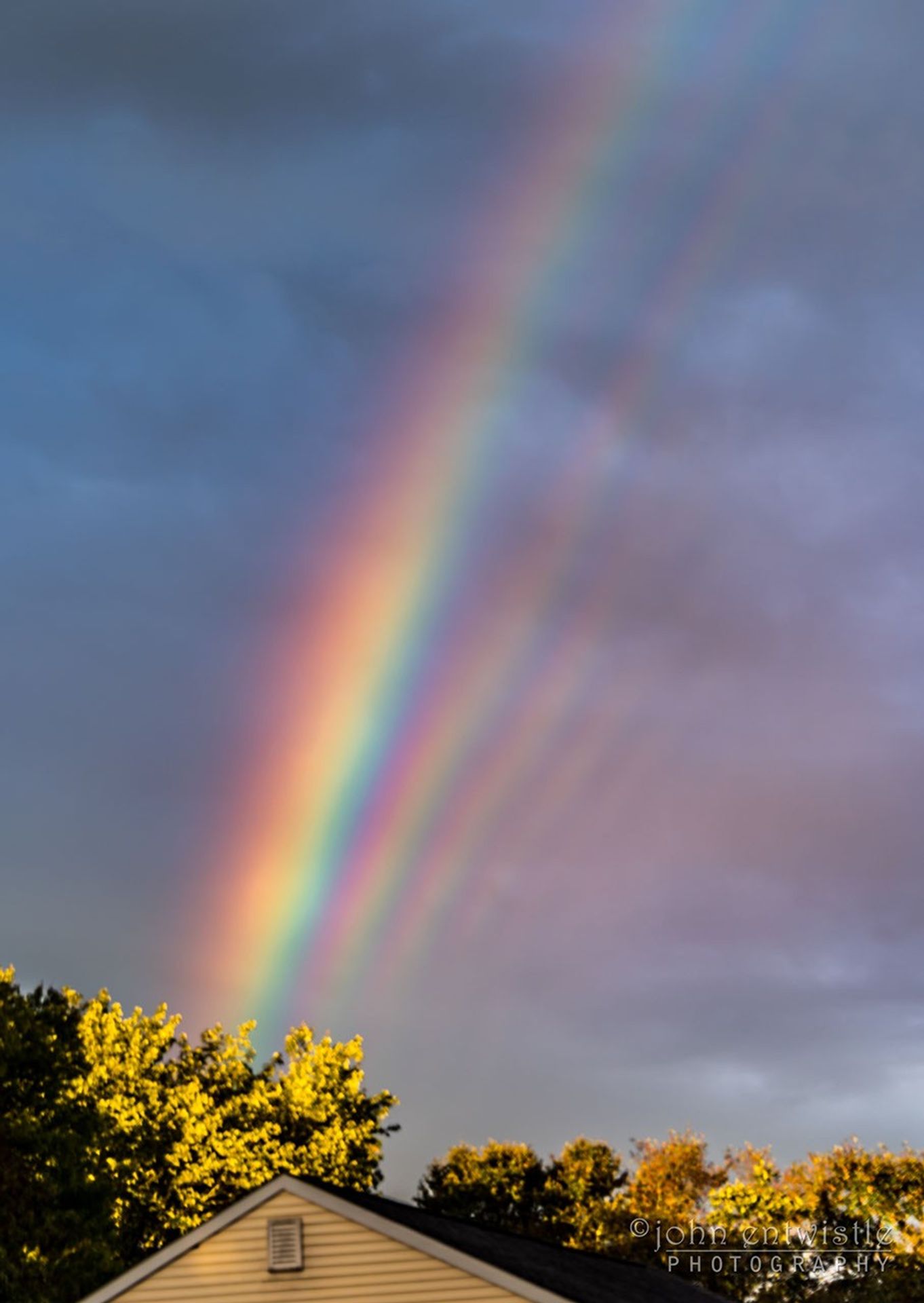
On October 4, 2026, the Astronomy Picture of the Day (APOD) featured a striking photograph of supernumerary rainbows over New Jersey, USA. The image captured the attention of both the photographer and his daughter, who marveled at the unusual display.
These supernumerary rainbows emerged after Hurricane Florence had passed through the Jersey Shore in 2018. The Sun appeared in one direction, while the striking rainbows appeared in the opposite direction, delighting the onlookers.
Supernumerary rainbows are a rare phenomenon that occurs when falling water droplets are all nearly the same size, typically less than a millimeter across. When sunlight interacts with these droplets, it not only reflects within the raindrops but also interferes, a wave phenomenon similar to ripples on a pond when a stone is thrown in. This interference is what gives rise to the supernumerary rainbows.
The existence of supernumerary rainbows in the early 1800s was considered early evidence of light's wave nature, as they could only be explained through the principles of wave interference.
Written by urgent.news from NASA's reporting — not their text. Machine-written — may contain errors; check the original before relying on it.
This story
This is one outlet's version. Read the fullest account.
- APOD: 2026 October 4 – Supernumerary Rainbows over New Jersey science.nasa.gov