Analysis: Why lower inflation still feels expensive
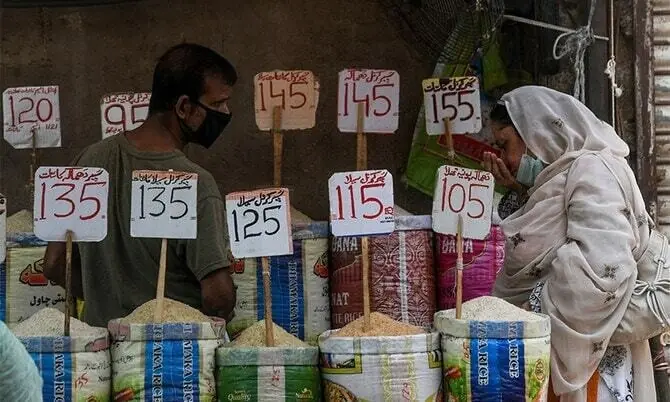
A SLOWDOWN in inflation may offer some statistical relief to the government, but prices of everyday essentials remain substantially higher than they were two years ago. The apparent contradiction lies in the difference between what inflation measures and what consumers experience when they enter the market. Headline inflation measures how quickly the overall price basket is changing. It does not…
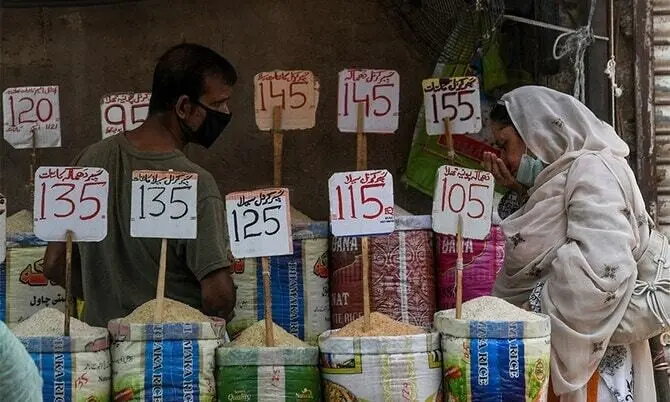
Inflation may be easing, but the cost of daily necessities remains notably higher than it was two years ago, creating a discrepancy between official figures and the actual experience of consumers. Headline inflation gauges how swiftly the overall price basket is changing, but it doesn't reflect how far the general price level has already risen.
The official measure involves combining prices from various markets and regions, so a national average might not align with the retail prices paid by individuals in specific areas. Lowering inflation doesn't signify that prices have reverted to earlier levels; it merely indicates that they are increasing at a slower pace on average.
Consumers are still grappling with the compounded effect of past price hikes. A comparison of Pakistan Bureau of Statistics data between October 2024 and October 2026 underscores the magnitude of this ongoing burden. Essential food and energy items have remained notably pricier than two years prior, even though headline inflation has since slowed.
Some of the most significant price hikes were observed in onions, electricity, diesel, and petrol. The analysis reveals that while these individual price movements do not represent the overall inflation rate, which is derived from a weighted basket of goods and services, they help explain the disparity between official inflation readings and what consumers actually pay at retail outlets.
Wheat flour exemplifies this disconnect, with the national average price of a 20kg bag soaring from Rs1,835 in October 2024 to Rs2,697 in October 2026, representing a 47% increase. Beef with bone saw a 26.7% rise, and a 2.5kg tin of vegetable ghee saw an 18.5% hike. In transport fuels, petrol surged from Rs248.18 per litre in October 2024 to Rs389.51 in October 2026, a 56.9% jump, while high-speed diesel climbed from Rs252.43 to Rs402.53 per litre, a 59.5% increase.
These steep price surges are particularly pronounced in transport fuels. The disparity between inflation and the price level is crucial. Inflation tracks the rate at which prices are changing across a weighted basket, whereas consumers face the actual price level when purchasing items like flour, meat, fuel, and other necessities.
Several factors are driving the current price pressures, but former government economic adviser Dr. Ashfaq Hasan Khan attributes them primarily to higher global energy prices and domestic food prices, especially wheat. He argues that the global rise in energy prices has been exacerbated by Pakistan's petroleum levy of Rs85 per litre.
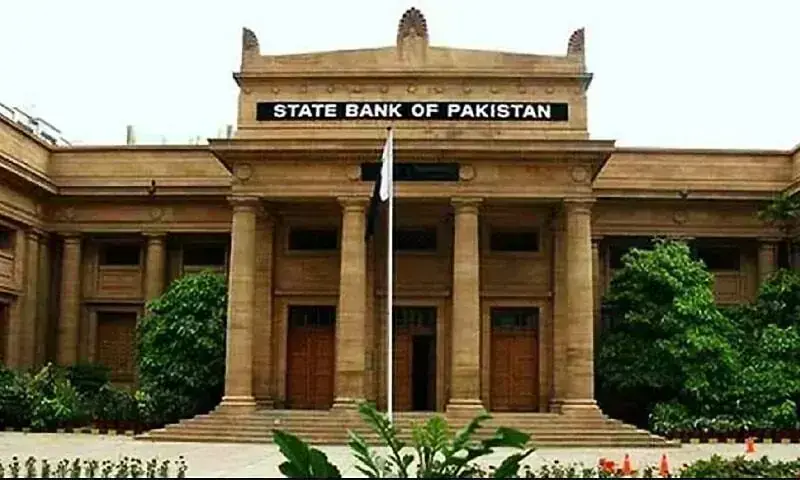
Dr. Khan describes the current inflationary pressures as predominantly supply-side rather than the result of excessive consumer demand. This distinction is pivotal in determining the appropriate policy response. While international bodies like the IMF are urging Pakistan to devalue its currency and increase the State Bank of Pakistan's policy rate, Dr. Khan contends that raising interest rates does not directly tackle the root causes of supply-side inflation, such as higher energy costs, petroleum levies, and food prices.
He argues that increased interest rates are not the correct solution for addressing supply-side inflation.
Written by urgent.news from Dawn's reporting — not their text. Machine-written — may contain errors; check the original before relying on it.