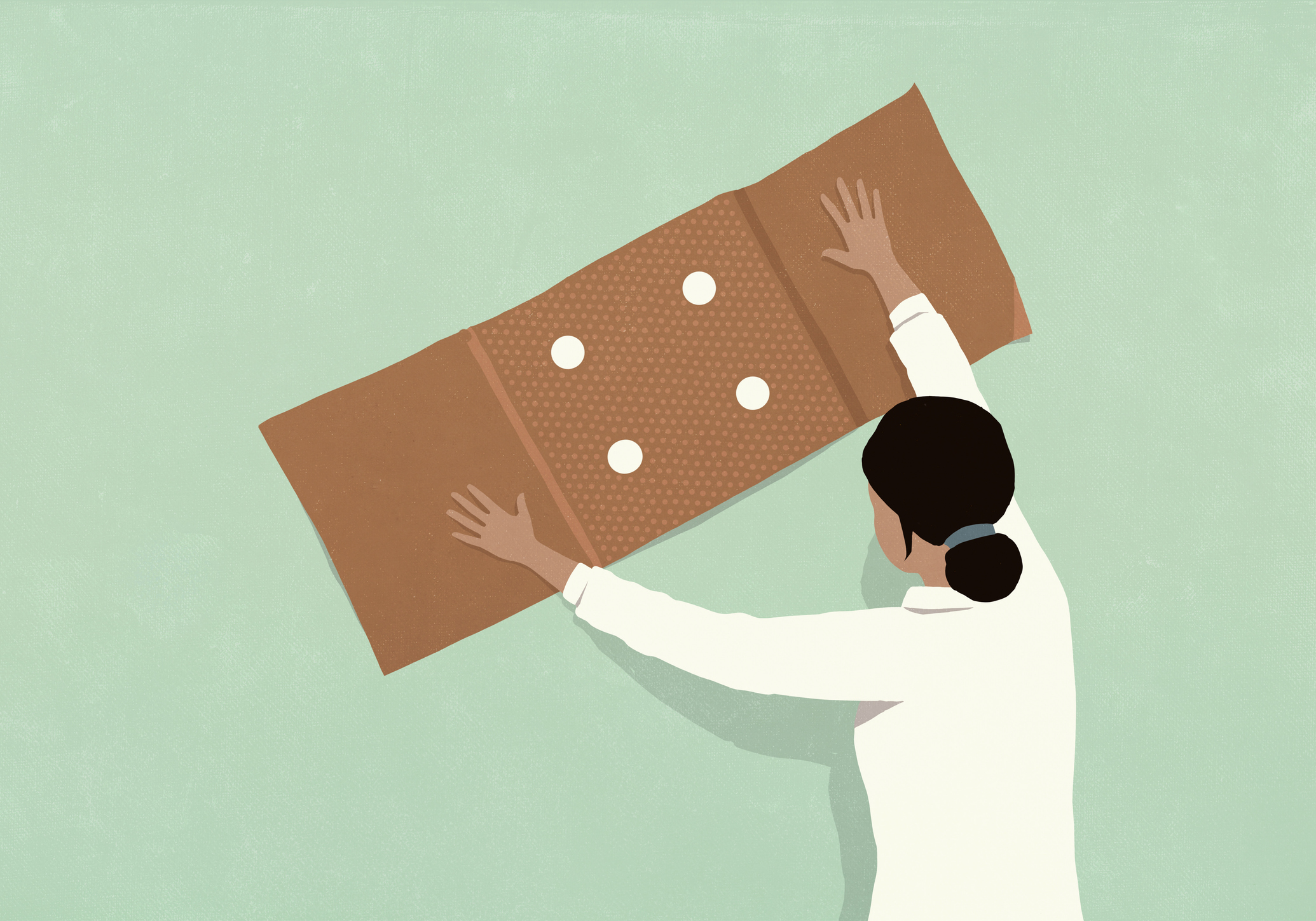
America’s Health Care Workforce Is in Crisis
We must prevent financial barriers from determining who has the opportunity to become a health care leader, writes Michellene Davis.

In America, the health care workforce is facing a severe crisis, with a shortage of over 700,000 health professionals expected within the next decade. This shortage includes physicians, registered nurses, and licensed practical nurses. Countries like Canada, Australia, New Zealand, Ireland, and the United Arab Emirates are aggressively recruiting U.S.-trained clinicians, exacerbating the strain on the already inadequate workforce.
The effects of this crisis are being observed across all communities, from rural towns in Alabama to high-rise apartments in Manhattan. Residents may have waited months for pediatric appointments, spent hours in emergency department hallways with elderly relatives, or postponed chronic care due to delayed appointments. The average wait time to see a physician is now 38 days, nearly three times the time many experts deem medically appropriate.
Burnout, mistrust, inadequate investment, and the aftermath of the COVID-19 pandemic have crippled the health care sector, which is the nation's largest employment industry. A recent Harris Poll reveals that more than half of health care workers are contemplating leaving their jobs, with many planning to exit the profession entirely.
Only 17% of physicians are under 40, while roughly one in five is over 60, and this trend is unsustainable. We are losing experienced professionals at a faster rate than we are preparing the next generation, and we are demanding more from those who remain while providing fewer resources and support. This crisis is particularly stark in rural and medically underserved areas.
If the underlying causes—professional burnout, substantial educational debt, and declining reimbursement—are not addressed, the health care system will be unable to care for the growing aging population, regardless of ZIP code or socioeconomic status. Instead of strengthening the system, we are dismantling its foundation. Federal health spending is being reduced, programs that support research, increase access for low-income families, and enhance public health infrastructure are being dismantled.
Recent federal budget changes, including H.R. 1, are projected to increase the uninsured population, burden already fragile health systems, raise healthcare costs, and force community health centers and hospitals to close. These policies will discourage students from pursuing careers in medicine, nursing, and other health professions, particularly in primary care and specialties most needed in communities.
Recent federal student loan policy changes, starting in July 2026, will severely limit access to financial aid for professional education. Medical students will have annual loan caps of $50,000, while nursing students will face even stricter limits of $20,500. These caps are significantly lower than the average costs of medical ($286,000) and private school ($390,000) education.
These policies risk deterring brilliant students from pursuing health care careers, particularly in primary care, and will hollow out the very specialties communities require. A health care workforce that reflects diverse socioeconomic backgrounds and experiences is better positioned to understand patients, build trust, and improve outcomes.
Addressing this crisis requires a collective effort: reimagining pathways into health care careers, tackling physician burnout head-on, and eliminating financial barriers that determine who can become a health care leader. Most importantly, we must ensure the next generation of health care professionals has the financial, professional, and community support necessary to complete training and return to serve their communities in need.
Written by urgent.news from Time's reporting — not their text. Machine-written — may contain errors; check the original before relying on it.