Aloo vs gobhi vs pyaz paratha: Which is the healthiest breakfast option?
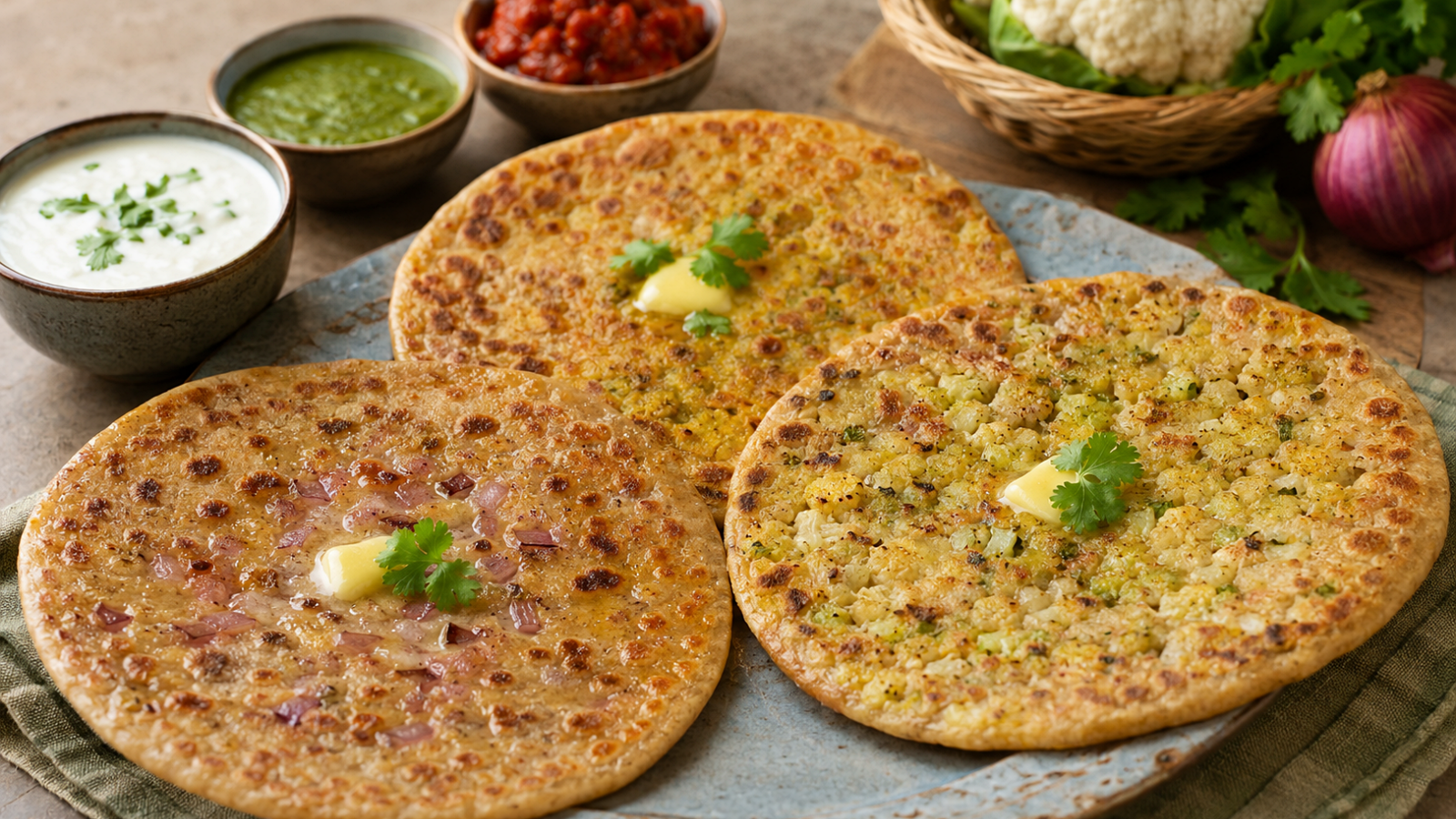
When it comes to choosing a healthy breakfast option in India, parathas are a popular choice among many. However, with different fillings like potato, cauliflower, and onion available, which one offers the most nutritional benefits? According to Meena Kumari, the Chief Dietician at Sarvodaya Hospital in Faridabad, gobhi paratha (cauliflower paratha) takes the top spot.
The dietician points out that cauliflower is packed with fibre, essential vitamins, and antioxidants, making it a light and nutrient-dense option. Pyaz paratha (onion paratha) follows, offering antioxidants and prebiotic fibres that aid digestion, although it provides less bulk compared to cauliflower. Aloo paratha (potato paratha) ranks third, primarily due to its higher starch content and fewer vegetables per serving, although it does supply potassium for muscle and nerve function.
Kumari advises opting for homemade chutneys or yoghurt instead of butter and pickle to enhance the healthiness of the meal. She also emphasizes that the impact of oil, ghee, and portion size greatly influences the paratha's nutritional profile, making these factors more crucial than the stuffing itself. Despite the assumption that there's a significant calorie difference between the three parathas, the real calorie contributor is usually the amount of oil used during cooking.
In terms of protein, all three parathas are relatively low, as vegetables don't contribute much in this area. To balance the meal, Kumari suggests pairing parathas with curd, paneer, or dal, rather than consuming them alone. While gobhi paratha keeps you fuller due to its higher fibre content, all three options can leave you hungry quickly, so adding protein-rich items can help maintain satiety.
Kumari recommends mindful eating, limiting excessive butter or fried accompaniments, and controlling portion sizes. A balanced breakfast consisting of one or two parathas, curd, and a seasonal fruit can be far more satisfying than relying solely on carbohydrates. To make parathas healthier, consider using whole wheat or a mix of whole wheat and millet flour, incorporating more vegetables into the filling, and cooking with minimal oil or ghee.
Lastly, instead of drowning the paratha in butter or pairing it with pickle, try homemade chutneys or plain yoghurt for added flavor without excessive fat.
Written by urgent.news from The Indian Express - Lifestyle's reporting — not their text. Machine-written — may contain errors; check the original before relying on it.
This story
This is one outlet's version. Read the fullest account.
- Aloo vs gobhi vs pyaz paratha: Which is the healthiest breakfast option? indianexpress.com