A confrontation that reshaped the Election Commission
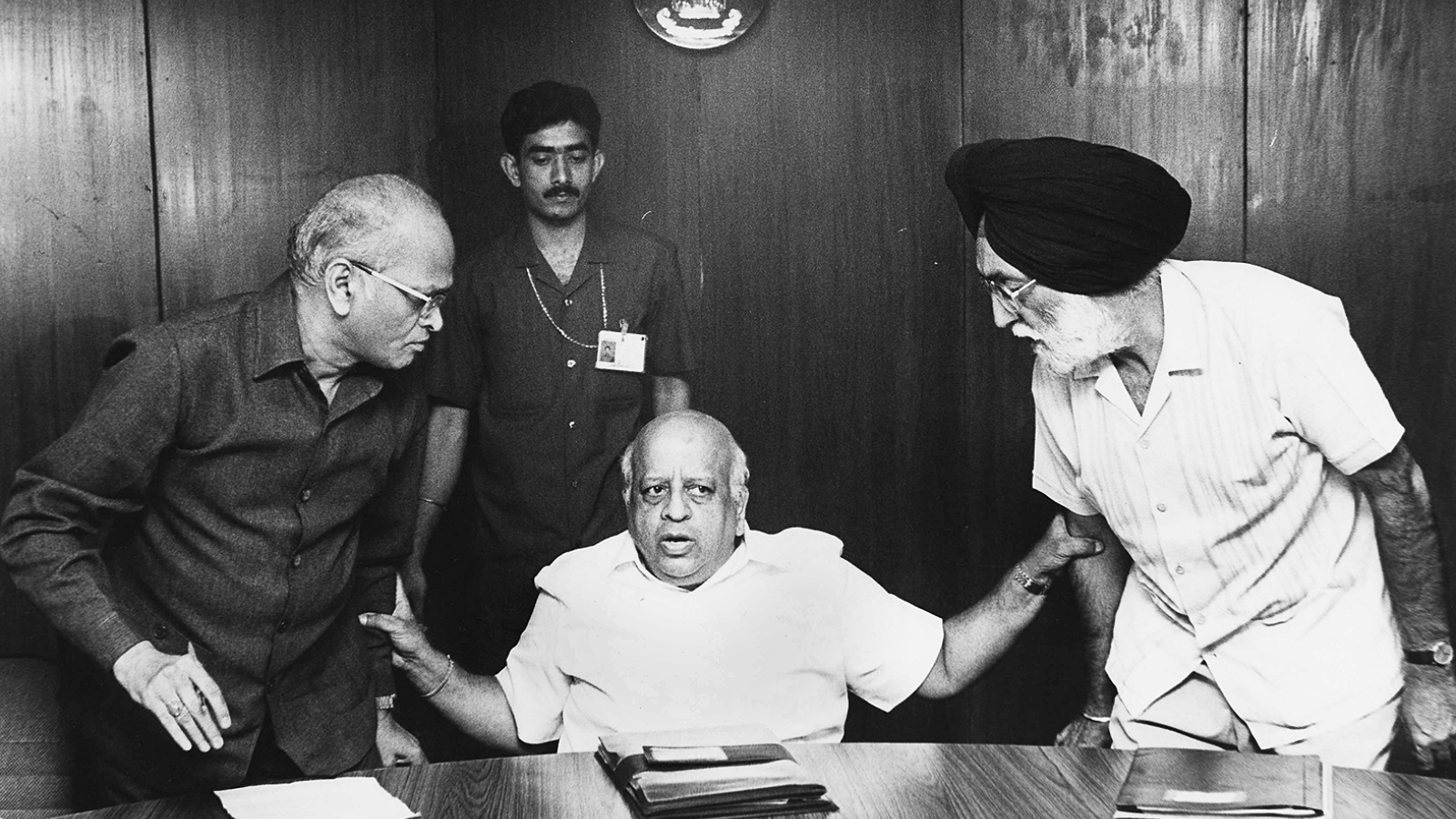
In October 1993, TN Seshan, the Chief Election Commissioner (CEC), found himself at the center of a political storm that would reshape the Election Commission of India. Appointed in December 1990, Seshan had worked to elevate the Election Commission's profile, often clashing with governments over electoral conduct. However, his tenure was about to take a dramatic turn.
On October 1, President Ram Nath Kovind appointed two additional Election Commissioners, MS Gill and GVG Krishnamurty, alongside Seshan. This change was brought about by an ordinance that aimed to ensure the commission's decisions were made by consensus or majority. Seshan, who had previously brought the Election Commission into the public eye by challenging governments, now found himself outvoted by his new colleagues.
His challenge to the appointments and the new ordinance soon reached the Supreme Court, where the issue of the CEC's authority in relation to the other commissioners was put to the test. The court upheld the 1993 arrangement, ruling that while the CEC's protection against removal was stronger than that of other commissioners, this did not confer superior decision-making power.
The court treated the CEC as the "primus inter pares," or first among equals, in the commission's decision-making process. Thus, while Seshan's efforts had made the CEC a formidable institution, the court's decision established that the commission's strength lay not just in the authority of its chief, but also in its collective functioning.
This decision would have lasting implications for the Election Commission, highlighting that its power and authority were not solely vested in a single individual.
Written by urgent.news from The Indian Express's reporting — not their text. Machine-written — may contain errors; check the original before relying on it.