Your Questions About Voting in the 2026 Midterm Elections, Answered
From using mail-in ballots to finding your polling place, here’s everything you need to know.
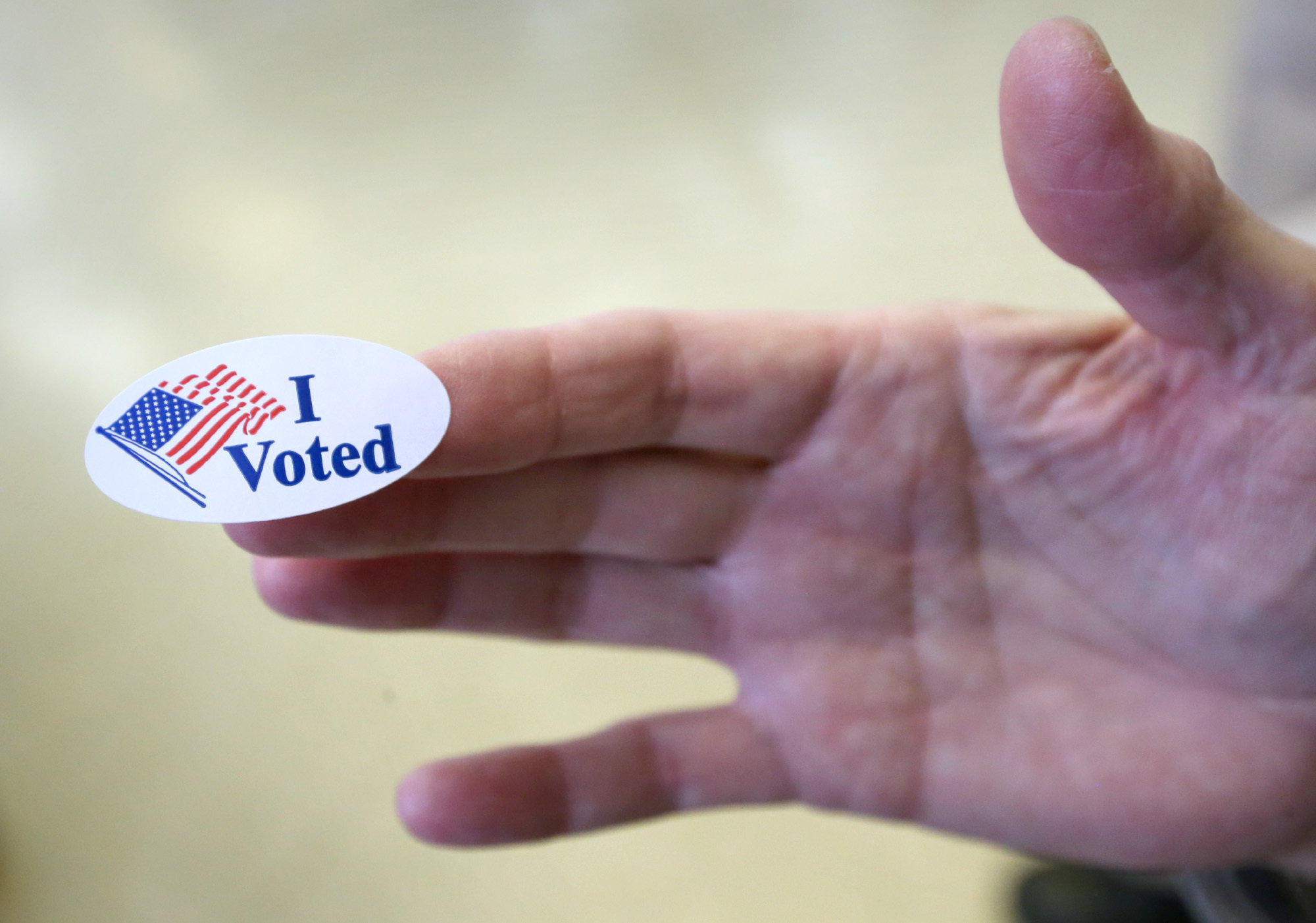
The 2026 midterm elections in the United States are scheduled for November 3rd. These elections, occurring mid-term in each presidential term, allow citizens to elect local representatives, influence state matters, and decide the party in control of Congress. However, this year's midterms present unique challenges to the democratic process.
The Trump Administration has sought to limit mail-in voting and collect voter information from various states. There are also concerns about federal agents at polling stations, a proposal President Trump has not ruled out categorically. To assist voters, a guide has been compiled to answer some key questions about the midterm elections in the 2026 elections.
The first question is about what will be on a voter's ballot. In 2026, unlike presidential years, there's no uniform candidate or issue across all ballots. Instead, each state has unique races. There are Senate races in 35 states, gubernatorial elections in 36, and all 435 seats in the U.S. House of Representatives up for grabs every two years.
Additionally, four states—Idaho, Missouri, Nevada, and Virginia—will decide on ballot measures concerning abortion rights. Six states, including Alaska and Arizona, have measures regarding citizenship requirements for voting in state and local elections.
To check voter registration status, you can visit the National Association of Secretaries of State website, input your state, and follow the instructions. Registration deadlines differ by state, so it's crucial to check your state's specific requirements and deadlines before applying to register.
When registering to vote, you typically need a driver's license or state identification card, though some states may accept other forms of identification like utility bills or bank statements. If your registration is inactive, it might be due to a recent move or non-response to an address confirmation notice. In such cases, voters can contact their local or state election office to restore their registration to active status and address any identification requirements.
Written by urgent.news from Time's reporting — not their text. Machine-written — may contain errors; check the original before relying on it.