Where did the stars go? How India's cities are dimming the twinkle in our skies
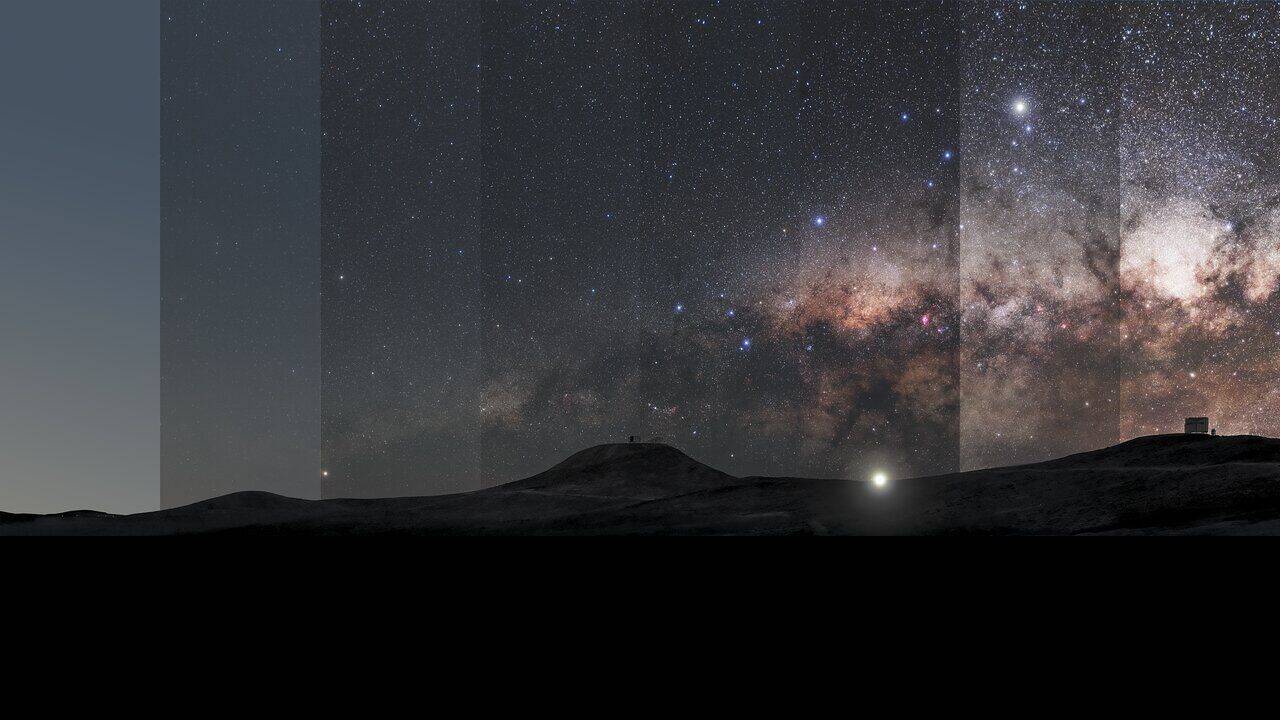
India's growing urban centers are casting a dimming twinkle across their skies, as streetlights, illuminated buildings, billboards, highways and powerful LED lights create a permanent glow. Known as light pollution or artificial light at night (ALAN), this phenomenon is rapidly transforming the night sky in India. A 2023 study in Science found that the average brightness of the night sky has increased globally by 9.6% each year in the human-visible band, doubling roughly every eight years.
In India, where urbanization is transforming the landscape after sunset, the issue is becoming increasingly difficult to ignore. While the stars are still there, they are not visible due to light pollution. Artificial light from various sources in cities does not always travel downwards, but can escape upwards, scattering and returning towards the ground, creating skyglow that makes the night sky appear washed out instead of black.
The consequences of this dimming are far-reaching, affecting wildlife habitats, human sleep patterns, ecosystems, energy consumption and the natural world's rhythm. Light pollution works in a simple way, with artificial light from streets, buildings and vehicles scattering and returning towards the ground, washing out the darkness and making faint stars unobservable.
India's light pollution problem is particularly severe, with cities like Mumbai and Delhi-NCR ranking in the Bortle 8-9 range on the Bortle scale, which measures sky quality from 1 (exceptionally dark) to 9 (heavily light-polluted). Other cities such as Kolkata, Bengaluru, Chennai, Ahmedabad and Hyderabad are also heavily light-polluted.
Indian research has begun mapping the scale of the problem, with a 2021 study finding a strong relationship between street lighting and city brightness, identifying it as an important contributor to artificial night-sky illumination. Another 2022 study linked increasing brightness to rapid urbanization, expanding housing and changing nighttime activity patterns.
The issue extends beyond city centers, with research showing artificial night-time light increasing in India's river basins from 2012 to 2020. Higher brightness was associated with areas near conurbations, airports, ports, refineries and power infrastructure, potentially posing a biodiversity concern for species like the critically endangered gharial.
Written by urgent.news from Times of India's reporting — not their text. Machine-written — may contain errors; check the original before relying on it.