What to know about the Kelvin wave raising the sea level along the West Coast
Kelvin waves are not like tsunamis, and they don't curl over and crash on the beach. A better image is water sloshing in the bathtub or a swimming pool during an earthquake. In the ocean, they are bulges of water that lift the sea level as they move along the coast.
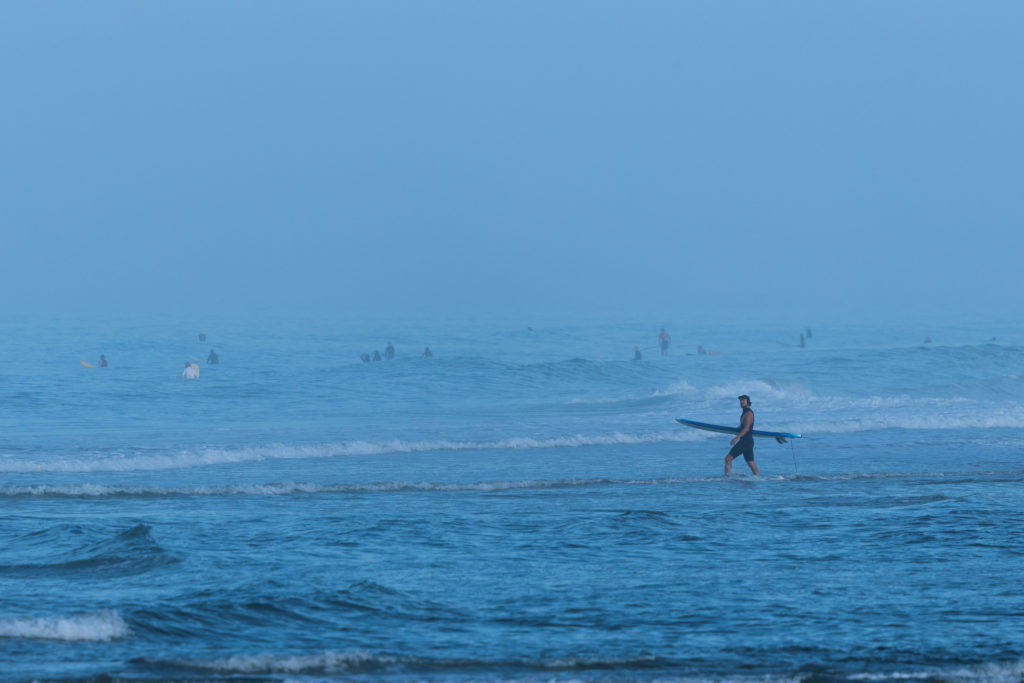
California is bracing for a potential foot (30 centimeters) increase in sea levels over the coming days due to an expansive wave sweeping up the western U.S. coast. This colossal surge, known as a coastal trapped wave or Kelvin wave, is a component of the El Niño phenomenon, which is a multi-month event in the Pacific Ocean capable of spawning intense storms and floods in some regions while causing drought in others.
Unlike a tsunami, this wave is a prolonged bulge of extra water, up to 30 kilometers (18 miles) wide, that will trail along the coastline as it journeys all the way to Alaska. Oceanographer Dillon Amaya from North Carolina State University explains that the rise in sea levels could exacerbate existing conditions when combined with factors like storm surges from passing weather, large swells, or astronomically high tides, thereby heightening the risk of flooding and beach erosion.
The sea level rise associated with background conditions could potentially double flood risks every two to four inches (5–10 centimeters). In recent weeks, Southern California has experienced storm surges that have damaged properties and even collapsed some homes. Malibu witnessed the emergence of a massive sinkhole in a Hollywood actor's driveway when intense waves from a nearby hurricane eroded the coastline.
Amaya notes that the Kelvin wave is both a cause and a symptom of El Niño, originating in Indonesian waters when trade winds weaken. This allows warm water to flow back along the equatorial strip from Indonesia to South America. As this wave travels across the Pacific, it suppresses the cold water typically rising from the deep ocean, causing surface temperatures to rise—an effect known as El Niño.
The energy from the equatorial Kelvin wave then transforms into a coastal wave, propagating north and south along the continents. The wave heading towards the U.S. is currently located north of Cabo, Mexico and is expected to reach San Diego within the next week at a speed of around six miles (10 kilometers) per hour. While such waves are typical during El Niño events, occurring five or six times each cycle, this one arrives at an especially vulnerable time due to already elevated sea temperatures.
As the water warms, it expands, leading to further sea level rise. Amaya emphasizes that the combination of an already elevated sea level, coupled with the potential impact of El Niño and this wave, heightens anxiety over heightened flood risks in Southern California.
Written by urgent.news from Phys.org's reporting — not their text. Machine-written — may contain errors; check the original before relying on it.
This story
This is one outlet's version. Read the fullest account.