U.S. midterms: Breaking down expected impact on equities
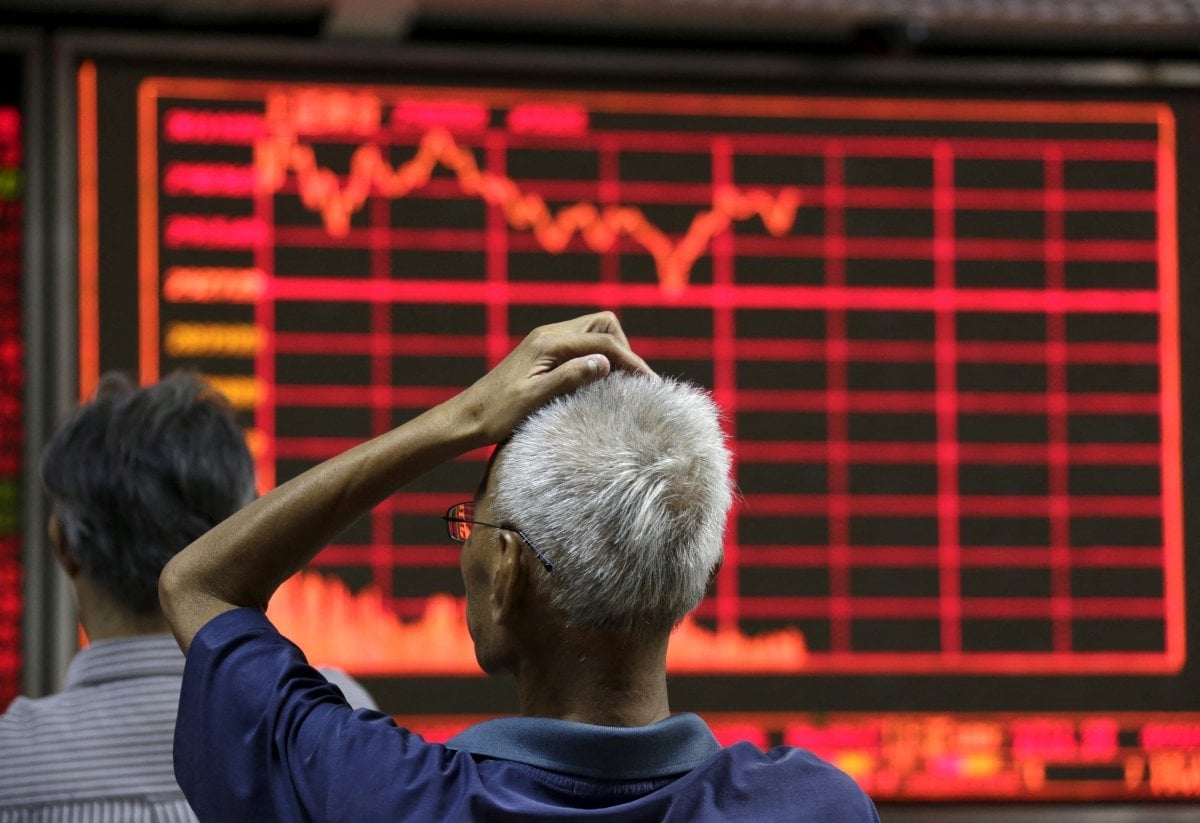
U.S. equities may encounter heightened political risk prior to the Nov. 3 midterm elections, according to Citi, which points to historical patterns suggesting weaker performance leading up to the vote followed by recovery as election uncertainty subsides. Historically, midterm election years have seen the weakest equity performance of the four-year presidential cycle, according to the bank.
Citi anticipates an election-related risk premium to build in the weeks leading up to voting, typically starting around 50 business days before the election. The primary impact on equities could stem from uncertainty rather than the election outcome itself. Stocks have traditionally declined ahead of midterms as investors price in political risk, only to see a relief rally as that uncertainty wanes in the year's final stretch.
This pattern has persisted irrespective of the final election result. A shift towards divided government could also impact markets through fiscal policy expectations. Historically, divided Congresses have favored bonds due to political gridlock reducing expectations for significant fiscal stimulus or sweeping legislation, potentially influencing the overall risk-asset environment.
However, the current cycle faces additional complications, such as a substantial U.S. fiscal deficit and pending debt-ceiling negotiations in 2027, which could limit the extent to which historical election patterns translate into market movements this time.
Written by urgent.news from Investing.com's reporting — not their text. Machine-written — may contain errors; check the original before relying on it.