U.S. debt is increasingly at the mercy of the market as interest costs surge while elections add more risk to the debt ceiling, ratings agency warns
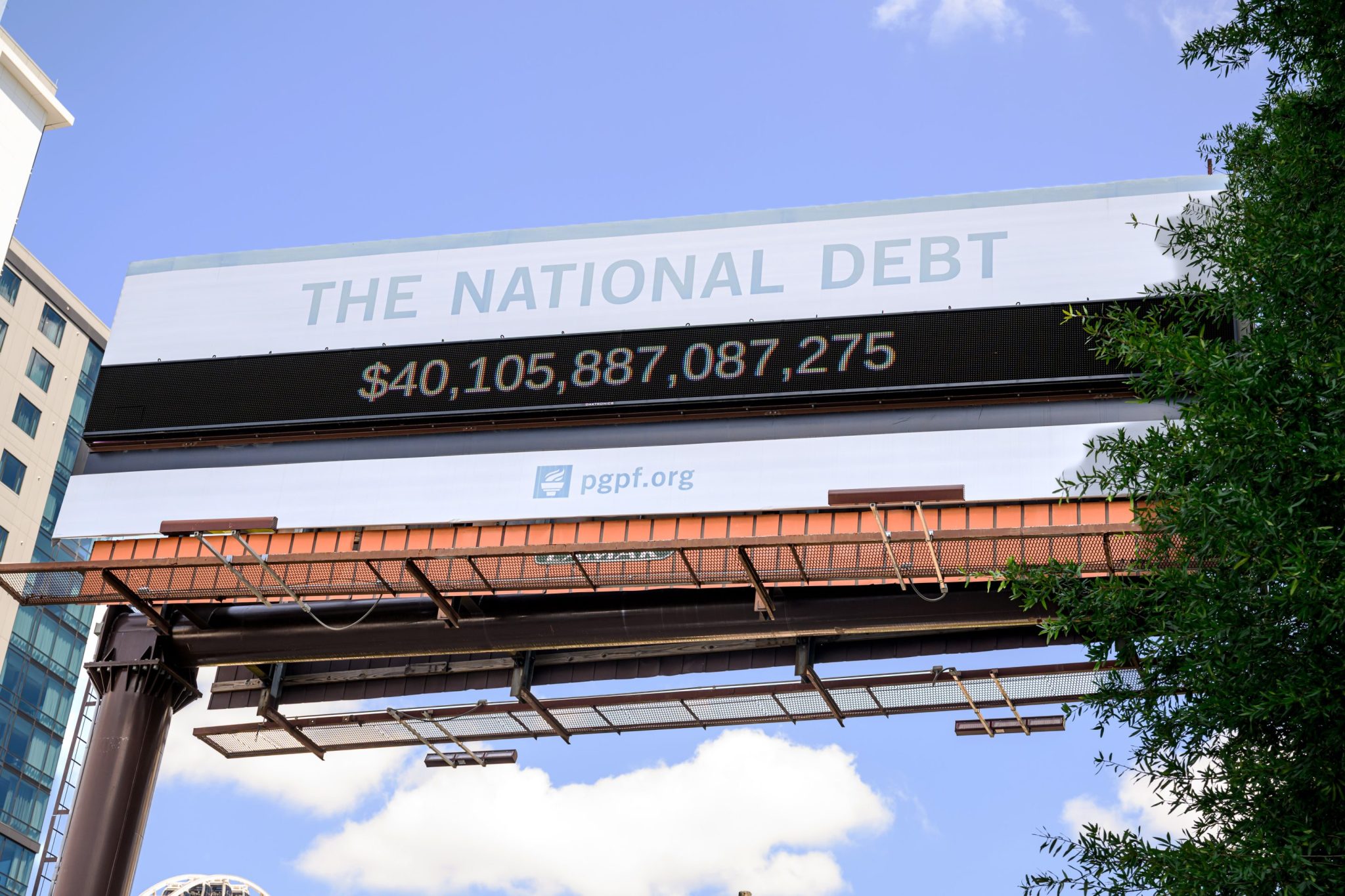
The U.S. debt outlook remains vulnerable to the bond market, according to Scope Ratings, a European credit ratings agency. The agency recently reaffirmed the U.S. sovereign credit rating at AA-, three notches below the top rating and two steps below the scores from competitors Moody's, Fitch, and S&P Global Ratings. While Scope acknowledges the U.S. has strengths such as a robust economy, the dollar's status as the world's reserve currency, strong institutions, and deep capital markets, the agency warns that the U.S. faces mounting challenges.
Scope highlights that structural expenditure pressures and limited political will for fiscal reform will cause deficits to worsen. Even though primary deficits, or those excluding interest payments, are projected to remain stable at around 3.5% of GDP, the 10-year Treasury yield has already surpassed long-term forecasts from the Congressional Budget Office (CBO). If yields remain roughly 1 percentage point above CBO's projections, about $3.5 trillion could be added to the debt over the next decade.
The heavy interest costs limit the government's ability to respond to future shocks, and without stronger economic growth or significant fiscal adjustments, the general government debt burden could reach 160% of GDP by 2036. In response to rising yields, Treasury Secretary Scott Bessent has shifted the U.S. debt portfolio toward short-term maturities, issuing more short-term notes to repay longer-term debt.
This strategy, initiated under the Biden administration and intensified with buybacks, makes rolling over U.S. debt more expensive as yields spike.
Foreign central banks, which were more stable holders of U.S. debt, have become price-sensitive hedge funds, adding volatility to the $32 trillion Treasury market. The U.S. debt limit, currently set at $41.1 trillion, is expected to be reached by early 2027. While Scope assumes policymakers will eventually agree to raise or suspend the debt limit, partisan standoffs in the post-midterm political landscape could prolong these episodes, contributing to market volatility.
Written by urgent.news from Fortune's reporting — not their text. Machine-written — may contain errors; check the original before relying on it.