Twitter cofounder Jack Dorsey's app Bitchat removed by Apple in India
Apple has removed Jack Dorsey-backed offline messaging app Bitchat from its India App Store following a government takedown order under Section 69A of the IT Act.
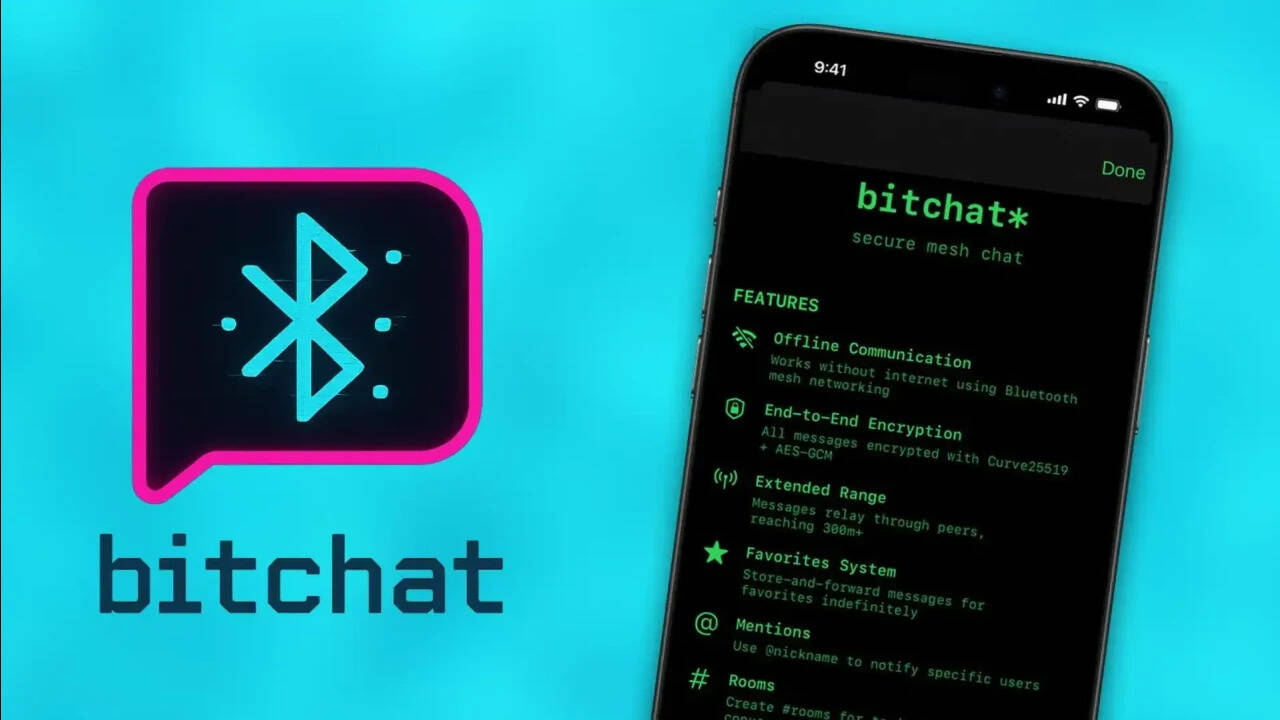
Apple has removed Bitchat, an offline messaging app co-founded by Twitter's Jack Dorsey, from its Indian App Store at the Ministry of Electronics and Information Technology's (MeitY) behest. In a screenshot shared on social media, Dorsey confirmed that the Indian government had officially removed Bitchat from the App Store. Apple cited the app's content as being illegal in India, which violates its App Review Guidelines, as the reason for the removal.
However, Apple did not specify the exact content deemed illegal or the specific Section 69A of the Information Technology Act, 2000 that was invoked. The developer was directed to contact MeitY for further information on the removal and Indian legal requirements. Bitchat, a decentralised, peer-to-peer connection app using Bluetooth Low Energy (BLE) mesh networks, requires no internet, phone number, or central servers.
It connects devices within a range of 30-100 meters, enabling message relay across multiple hops without cellular service or Wi-Fi. The app was previously removed from the India App Store during the Cockroach Janata Party protests in July after GitHub was ordered by the Indian Cyber Crime Coordination Centre to disable access to the app, alleging misuse by anti-national elements, terrorist organizations, organized criminal groups, and cybercriminals.
Written by urgent.news from Economic Times Tech's reporting — not their text. Machine-written — may contain errors; check the original before relying on it.
This story
This is one outlet's version. Read the fullest account.
- Bitchat removed from Apple’s India App Store following govt's demand: Jack Dorsey thehindu.com
- Jack Dorsey’s Bitchat disappears from app stores in India after government order techcrunch.com
- Apple removes offline messaging application Bitchat from India App Store timesofindia.indiatimes.com
- Dorsey's app Bitchat removed by Apple in India economictimes.indiatimes.com