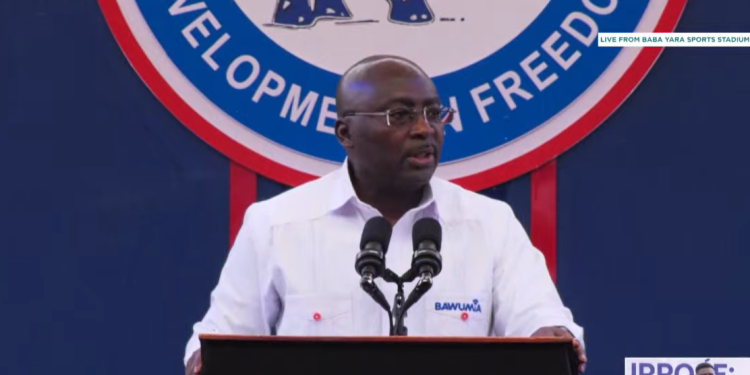
Trump teases more inflationary money for voters ahead of midterm elections, now promising $90 payments after touting $500 and $5,000 checks
That pledge — which would require approval from Congress — would likely cost more than $1 trillion, adding to the deficit.
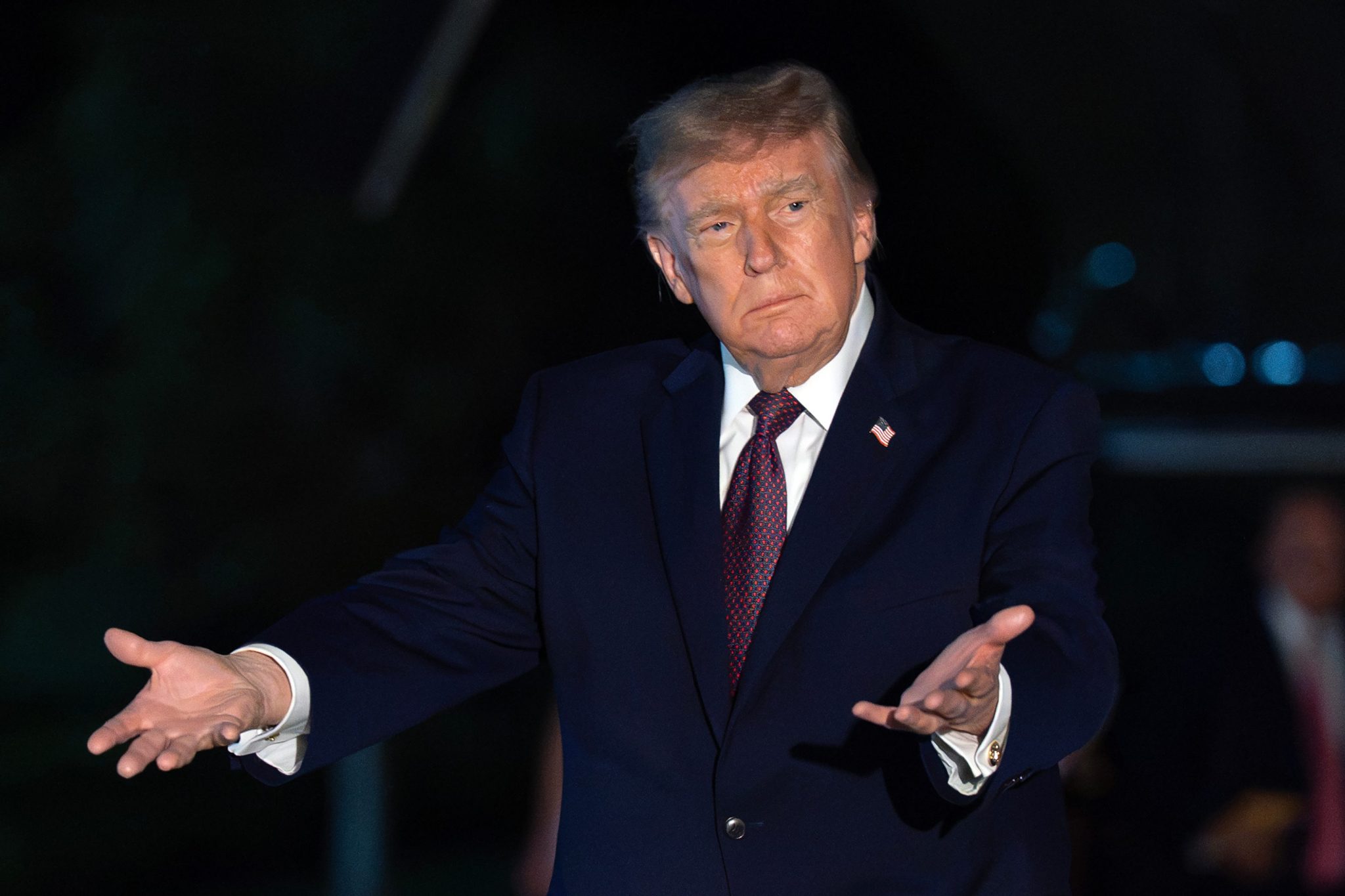
President Donald Trump is promising additional payments to voters in the run-up to the November midterm elections. This time, he is targeting over 20 million seniors, offering them a $90 payment to help cover Medicare premiums. The announcement came late Friday night via social media, following a similar $500 rebate check for about 1 million people covering Affordable Care Act premiums the previous month.
Trump has also vowed to send every American adult $5,000 should Republicans maintain control of the House and Senate during the midterms, a pledge that would likely cost over $1 trillion, adding to the deficit and exacerbating inflation. Recent polls indicate that a growing percentage of Americans are blaming Trump for the high prices of gasoline and groceries, with only 17% approving of his handling of inflation.
Despite this, Trump has attempted to dismiss affordability concerns, asserting that the economy is thriving. The White House claims the $90 payments for seniors will be sourced from the Medicare Improvement Fund, established by Congress in 2008 for flexible funding to enhance program operations and payments to healthcare providers.
Medicare Part B enrollees will receive their one-time payment in October, either through direct deposit or by check. The total monthly cost for the program, which covers services such as doctor's visits, ambulance services, and lab tests, starts at around $200 and fluctuates based on income. To qualify, seniors must reside in the U.S., not be receiving premium assistance from Medicaid, and not be paying adjusted monthly premiums due to income.
Seniors enrolled in Medicare Advantage, a private alternative to traditional Medicare coverage, are ineligible for the payment. Over half of eligible Medicare beneficiaries are enrolled in Medicare Advantage, according to research organization KFF. The Medicare Improvement Fund has not been utilized in this manner by previous administrations, although Congress has occasionally drawn from the fund to finance other priorities, such as the creation of the Affordable Care Act in 2010, which utilized $20.74 billion from the fund.
Larry Levitt, KFF’s executive vice president for health policy, notes that the Medicare Improvement Fund's language is broad, providing significant discretion to the administration.
Written by urgent.news from Fortune's reporting — not their text. Machine-written — may contain errors; check the original before relying on it.