These 6 kitchen staples can help boost iron—but how you eat them matters
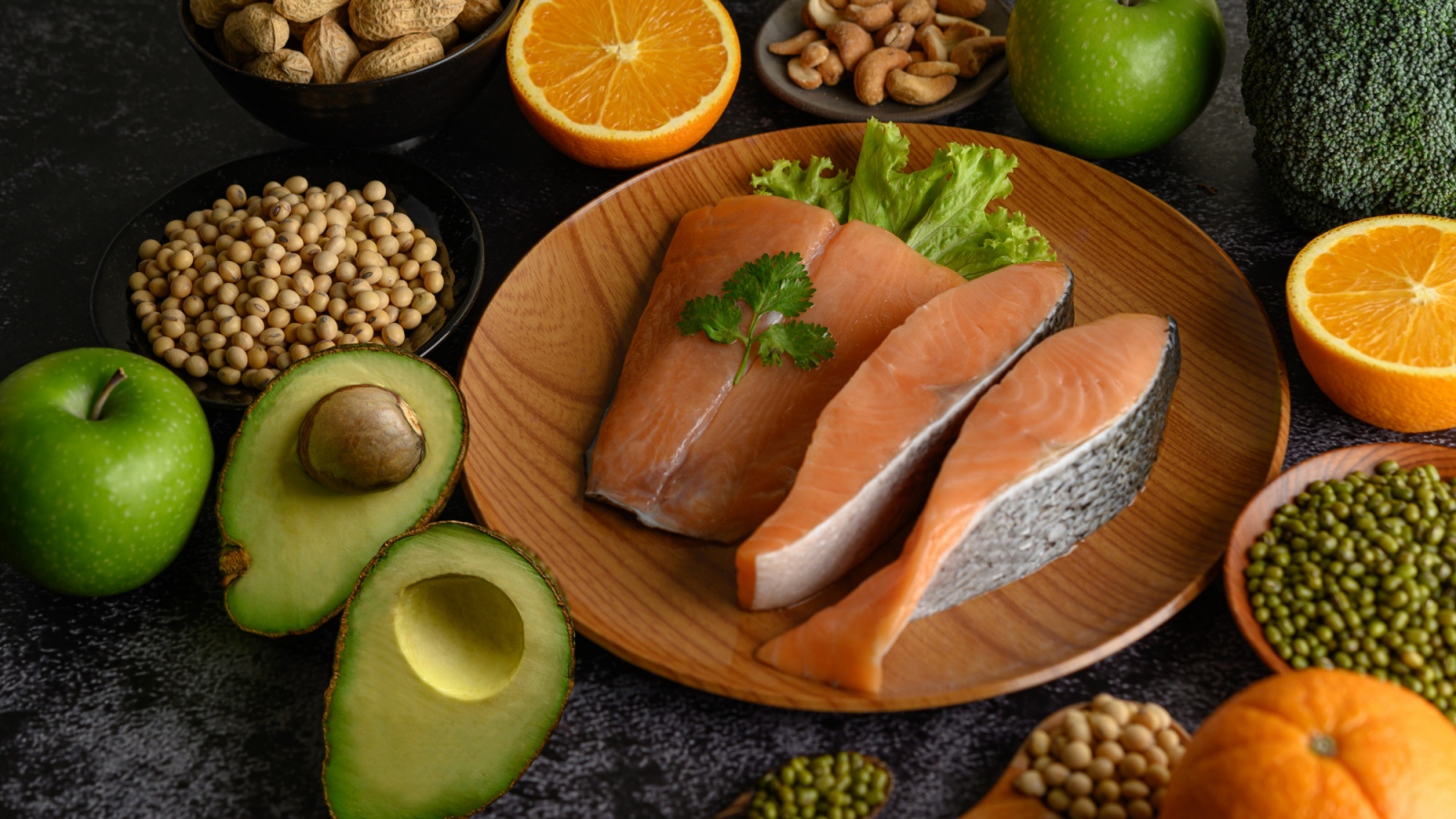
Six kitchen ingredients – haleem seeds, black chana, pumpkin seeds, black raisins, curry leaves, and black sesame seeds – can contribute to daily iron intake, according to nutritionist Shweta Shah. However, the actual amount absorbed by the body is lower than the listed 21 mg, as plant-based iron is only absorbed at a rate of 2-15%.
Factors such as phytates, polyphenols, and preparation methods like soaking, sprouting, roasting, or fermenting can impact iron absorption. Pairing iron-rich foods with vitamin C can enhance absorption, as vitamin C improves non-haem iron uptake. Avoiding tea and coffee close to meals and separating calcium supplements from iron-rich meals also supports better absorption.
Certain groups, including teenage girls, menstruating women, pregnant and breastfeeding women, infants, toddlers, vegetarians, vegans, regular blood donors, and endurance athletes, should be particularly mindful of their iron intake. Health conditions like coeliac disease, IBD, H. pylori infection, and long-term acid-suppressing medication can also affect iron levels.
Written by urgent.news from The Indian Express - Lifestyle's reporting — not their text. Machine-written — may contain errors; check the original before relying on it.
Also reported by 1 other outlet
- These 6 kitchen staples can help boost iron—but how you eat them matters indianexpress.com