The tussle for top posts in India’s CAPFs: IPS officers or force veterans?
A recent Supreme Court controversy has reignited a long-standing dispute over who should hold senior command positions within India's Central Armed Police Forces (CAPFs). Should it be officers who have dedicated careers within these forces, or IPS officers brought in on deputation? The issue revolves around promotion bottlenecks, the Organised Group A Service (OGAS) status, and a new law passed by Parliament this year.
The conflict unfolded during a hearing of contempt petitions filed by CAPF cadre officers, who claimed the court's May 23, 2025, ruling on career progression was being violated. The case was initially scheduled for September 29, but was struck off the list when the Ministry of Home Affairs (MHA) informed the court that 46 IPS officers had been deputed to the forces in the intervening period.
The bench, comprising Justices Ujjal Bhuyan and A S Chandurkar, ordered the case to be relisted and sought an explanation from the Registry. However, the hearing was eventually moved to a specially constituted bench of Justices Manoj Misra and Bhuyan on September 30.
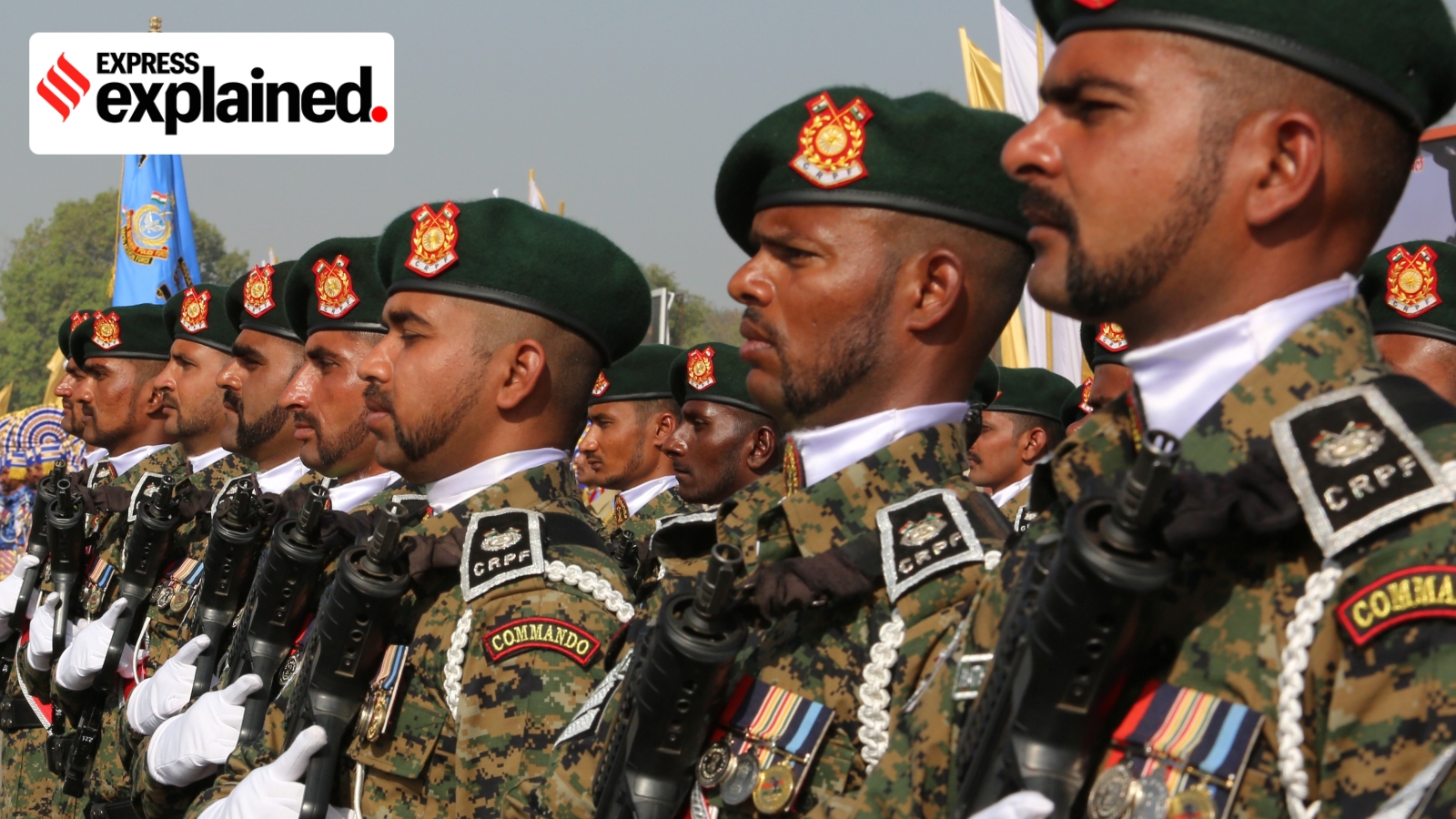
This legal dispute is emblematic of a broader institutional battle that has persisted for over a decade. Five CAPF forces – CRPF, BSF, CISF, ITBP, and SSB – are at the heart of the controversy. Historically, senior positions have been filled through deputation from IPS officers, while CAPF personnel have argued this practice creates a bottleneck, limiting promotional opportunities for those who have spent their entire careers in the forces.
The 2026 law attempted to address this issue by setting aside only 20% of DIG and 50% of IG posts for deputation. However, CAPF officers contend that the measure has only partially alleviated the stagnation and that the existing Recruitment Rules require officers to spend a predetermined number of years in each rank before being eligible for the next financial grade.
This has led to a situation where officers may receive 2IC-level pay after five years as Deputy Commandant, yet remain stuck financially if they are not actually promoted to 2IC.
The Supreme Court, in its May 2025 ruling, determined that CAPF forces should be classified as OGAS, not just for NFFU but for other cadre-related purposes. The bench directed that posts reserved for deputation up to the Senior Administrative Grade (DIG and IG) be progressively reduced, with a maximum limit of two years. Despite the court's direction, the Ministry of Home Affairs (MHA) continues to argue in favor of maintaining IPS deputation, citing operational requirements and the need to maintain an institutional link between the central government and state police establishments.
Written by urgent.news from The Indian Express's reporting — not their text. Machine-written — may contain errors; check the original before relying on it.