The Story Behind Mote de Queso, Colombia’s Beloved Caribbean Cheese Soup
Mote de queso is one of the most representative dishes of Colombian Caribbean cuisine, and behind its distinctive flavor is a story connected to one of the most difficult periods in the country’s history. According to an oral tradition passed down through generations, the dish traces its origins to the Thousand Days’ War, a civil […]
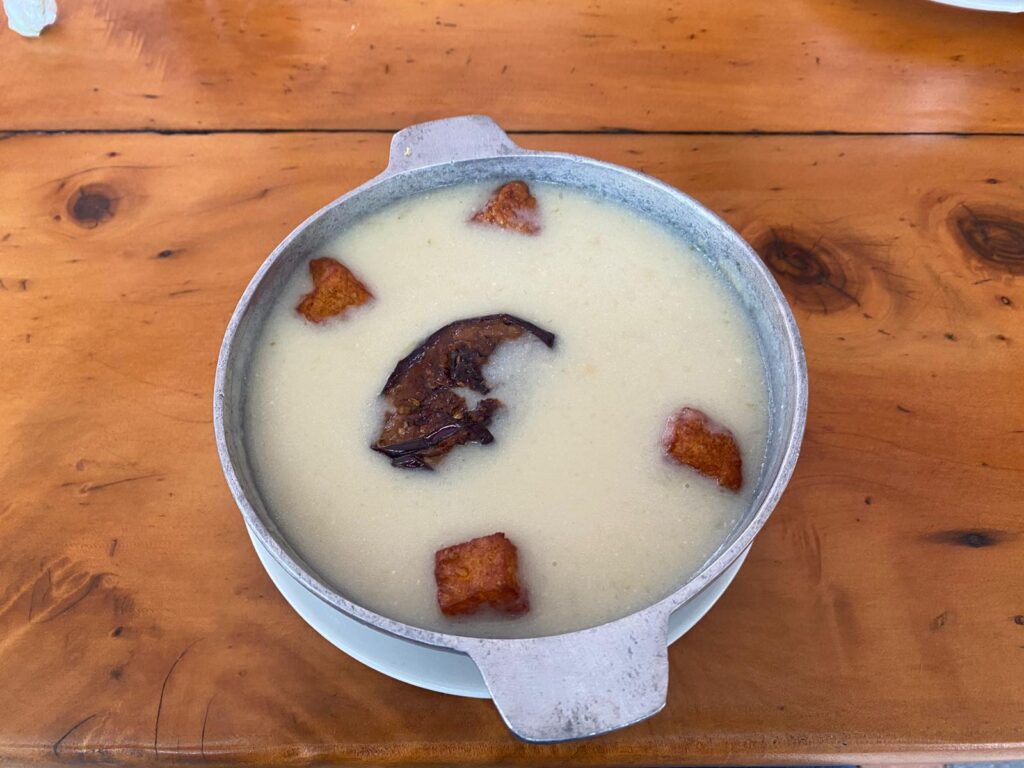
Mote de queso is a beloved Caribbean dish in Colombia, with its origins tied to the Thousand Days' War, a civil conflict lasting from 1899 to 1902. According to oral tradition, the dish emerged during the war due to food shortages, as communities in the Caribbean savannas prepared a thick soup made from available ingredients like yam, garlic, onion, and salt.
The dish began as "mote de candela," a simple yam soup cooked during the war's food shortages. Over time, the preparation evolved, incorporating cheese and other ingredients associated with the region's diverse culinary influences. These influences include African diasporic communities, European culinary traditions, and Syrian-Lebanese immigrants who settled in Colombia.
Cheese, a key ingredient in mote de queso, is connected to the cattle-ranching tradition in the savannas of Sucre and Córdoba. The dish's ingredients and preparation reflect a process of cultural mixing that took place over centuries in the Colombian Caribbean. Today, mote de queso symbolizes the coastal cuisine of Colombia's Caribbean region, representing the region's ability to adapt and thrive in difficult circumstances.
Written by urgent.news from Colombia One's reporting — not their text. Machine-written — may contain errors; check the original before relying on it.
This story
This is one outlet's version. Read the fullest account.