The component cost crisis is hitting TVs hard now, as chip prices rise higher than panel costs
The ongoing AI-driven component crisis is making itself felt in the TV industry, with prices of memory and even Wi-Fi modules rocketing
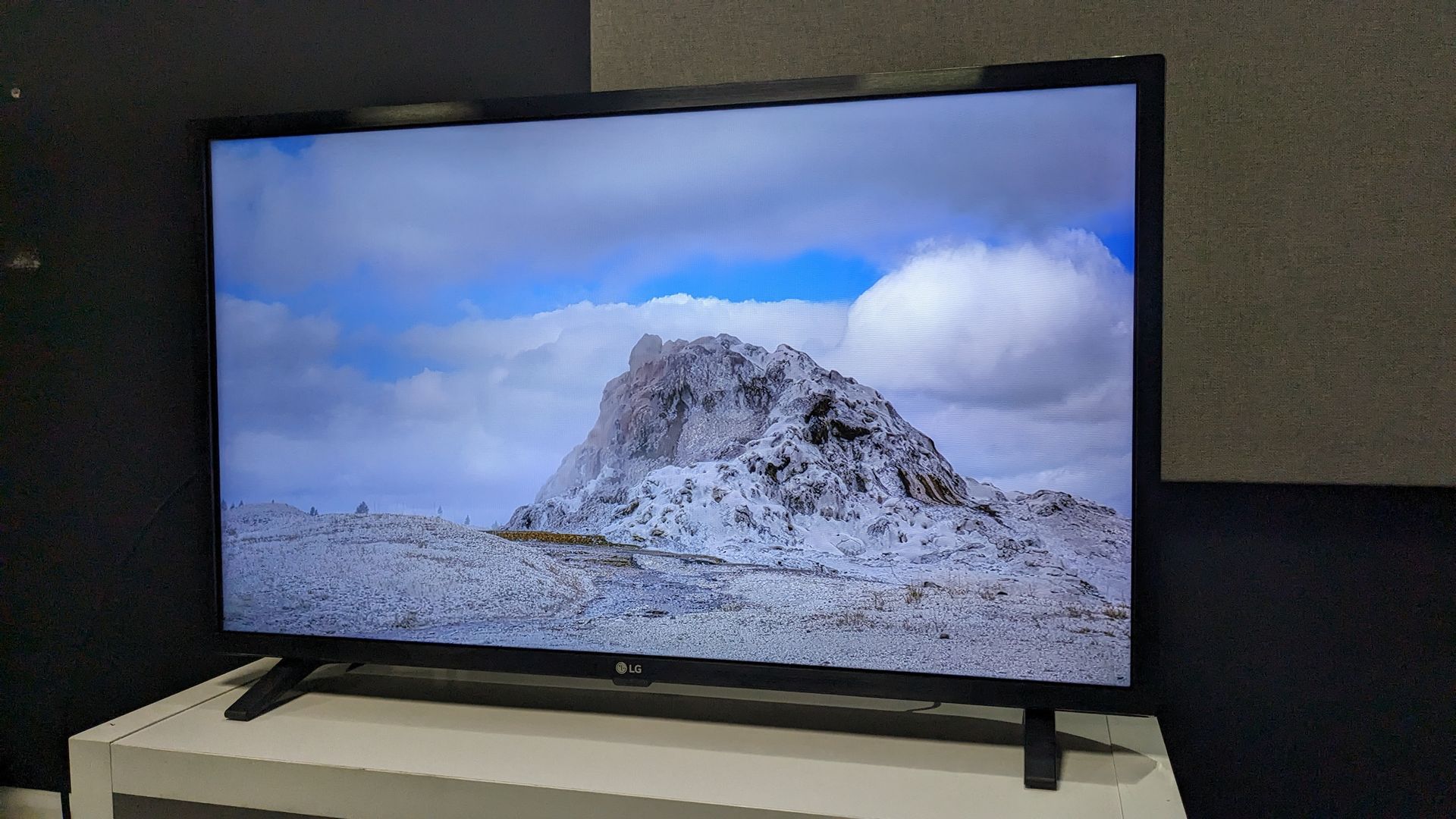
The cost of components is causing a significant challenge for the TV industry, as the price of chips has surged higher than the cost of panels. This surge in chip prices can be attributed to the global shortage of memory and processors driven by AI-driven demand, which is expected to persist through 2027. The situation has become so dire that for small TVs, the processors are now as expensive as the panels themselves.
Market research firm Omdia has reported that semiconductor costs have skyrocketed, making the processing board's share of the cost exceed 10% in the second quarter of 2025 and reaching 45% to 50% in the third quarter of 2026. The prices of basic DRAM and NAND flash memory have increased dramatically, with DRAM hitting $25 in August 2025, almost four times higher than last year, and NAND flash memory reaching $30.50, nearly nine times the previous year's price.
Wi-Fi modules have also become more expensive, with their price rising from $33.90 in 2025 to $118.20 in recent months. This component crisis is expected to continue through 2027 and beyond, squeezing the profitability of manufacturers in a market that has traditionally had low profit margins. It is unlikely that manufacturers will absorb the escalating prices forever, and this may lead to higher prices and lower specifications for consumers, similar to the smartphone market.
Written by urgent.news from TechRadar's reporting — not their text. Machine-written — may contain errors; check the original before relying on it.