Sanctions, tariffs turn into policy instruments, sometimes weaponised: P K Mishra
P K Mishra highlighted the impact of geopolitical tensions on global markets and economic vulnerabilities. He mentioned that India is diversifying its energy imports to reduce vulnerabilities and ensure economic stability. The need for macroeconomic resilience through fiscal space and adequate foreign reserves was also emphasised. Mishra pointed out the importance of critical minerals for the…
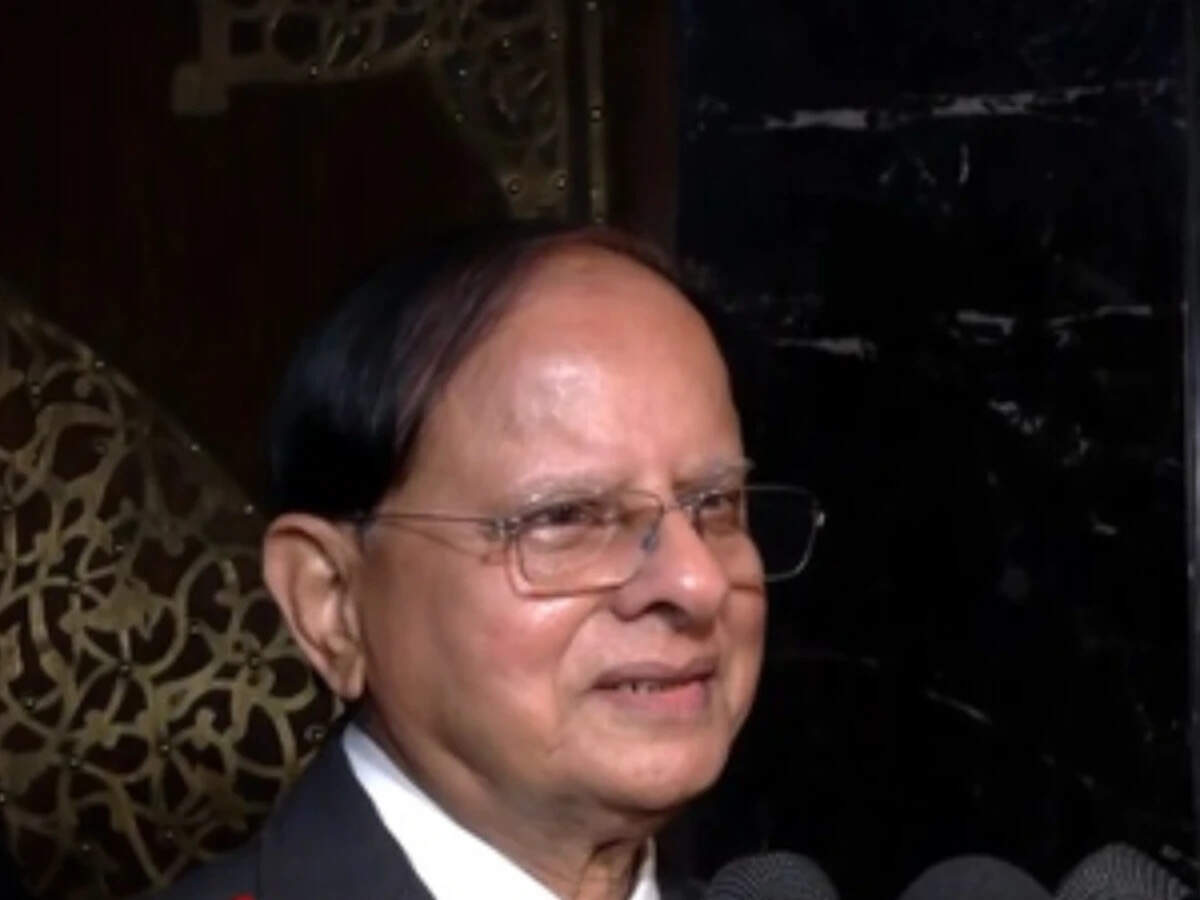
Principal Secretary P K Mishra stated that export restrictions, sanctions, and tariffs serve as instruments of economic policy, sometimes even being weaponized. These measures can disrupt energy and food markets, as well as shipping routes and geographical choke points, making countries vulnerable to economic risks. India, being a major energy importer, faces such risks, and the disruption around the Strait of Hormuz has highlighted the impact of geography on economic stability.
Mishra highlighted the US implementing tariffs on countries, including India, for various reasons, such as the 2026 Lindsey O. Graham Sanctioning Russia and Iran Act, which allows for up to 100% tariffs on nations purchasing Russian oil and gas, including India and China. India has maintained substantial oil reserves, increased domestic production, diversified procurement, and secured alternative supply routes.
The focus on energy transition, critical minerals, and strategic industrial inputs has gained strategic significance. Geography, supply chains, and macroeconomic resilience are now economic variables, and uncertainty arises when people cannot reliably assign probabilities to events. India has strengthened domestic exploration, processing, and recycling through the National Critical Mineral Mission and built international partnerships for critical minerals.
Mishra emphasized that India aims to be a country that remains open to the world while avoiding excessive vulnerability, learning from its economic history.
Written by urgent.news from The Economic Times - Economy's reporting — not their text. Machine-written — may contain errors; check the original before relying on it.