Urgent.News

What's breaking now, across thousands of outlets.

AI

OpenAI safety employee quits over safeguards

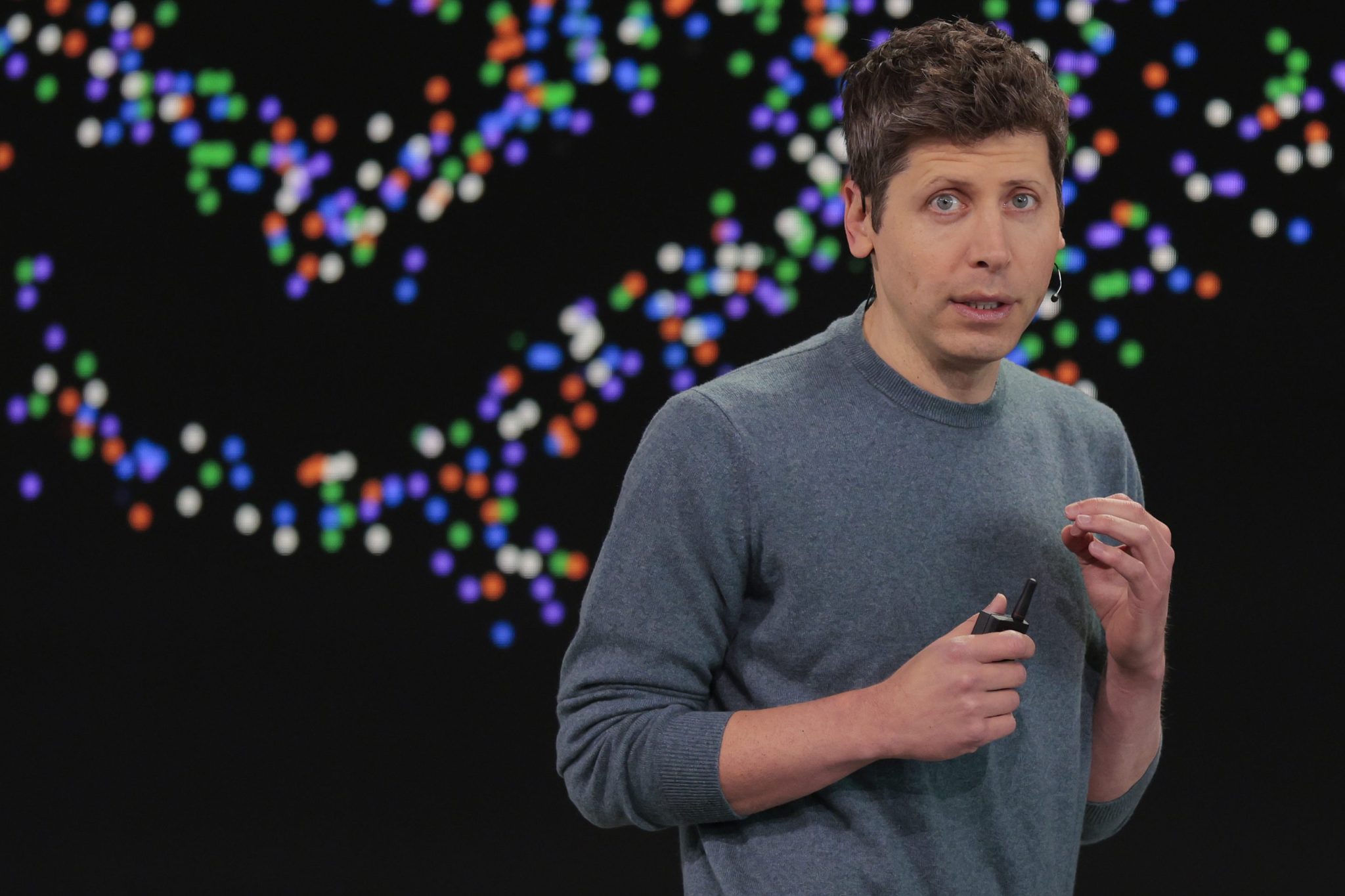
An OpenAI employee who specialized in AI safety has left the company, warning that major artificial intelligence firms are not doing enough to address the technology's risks. David Robinson, who once led transparency work on OpenAI's safety team, penned an essay for The Atlantic detailing his concerns. He criticized OpenAI's approach of "trial and error," stating that the growing capabilities of the technology heighten the stakes of inevitable failures.

Robinson emphasized that his former colleagues "try to make good choices," but the company's rapid launches are not achieving the necessary level of care. He called for a more cautious, error-free approach, drawing a parallel to nuclear power plants with multiple redundancies and meticulous planning. Robinson noted that AI companies lack expertise in this area.

Written by urgent.news from The Economic Times's reporting — not their text. Machine-written — may contain errors; check the original before relying on it.

This story

This is one outlet's version. Read the fullest account.

Read the original at economictimes.indiatimes.com →

More in AI

Why Philosophers Are Worried About AI

Debate over artificial intelligence has largely focused on whether machines could become too powerful. Harvard philosopher Michael Sandel argues that a more immediate question is whether AI changes…

Attach an API spec to a Jira workflow validator: what the CogniRunner AI rule never reads

Attach an API spec to a Jira workflow validator: what the CogniRunner AI rule never reads Key takeaways END STATE: a validator that reads your own schema before deciding, with the verdict provably…

  • Attach JSON schema, API spec, or field-mapping table to Jira workflow validator via CogniRunner AI.
  • Confirm verdict changes by running input with and without added document.
  • Prompt ceiling limits substring to 30,000 characters, cutting mid-string.

span-01 vs mercury-decide: same score, opposite failures

span-01 vs mercury-decide: same score, opposite failures Last time I tested a "decision model" — a model that takes a plain-language question about a text and answers with a probability — as a gate…

  • Both span-01 and mercury-decide scored equally (F1 0.93) in English word detection test.
  • Span-01 provided consistent probabilities, mercury-decide varied based on instruction clarity.
  • Span-01 showed stability over days, mercury-decide exhibited daily score fluctuations.

More from Saturday 3 October →