Next financial crisis may stem from cyberattack or geopolitical shock, RBI governor says
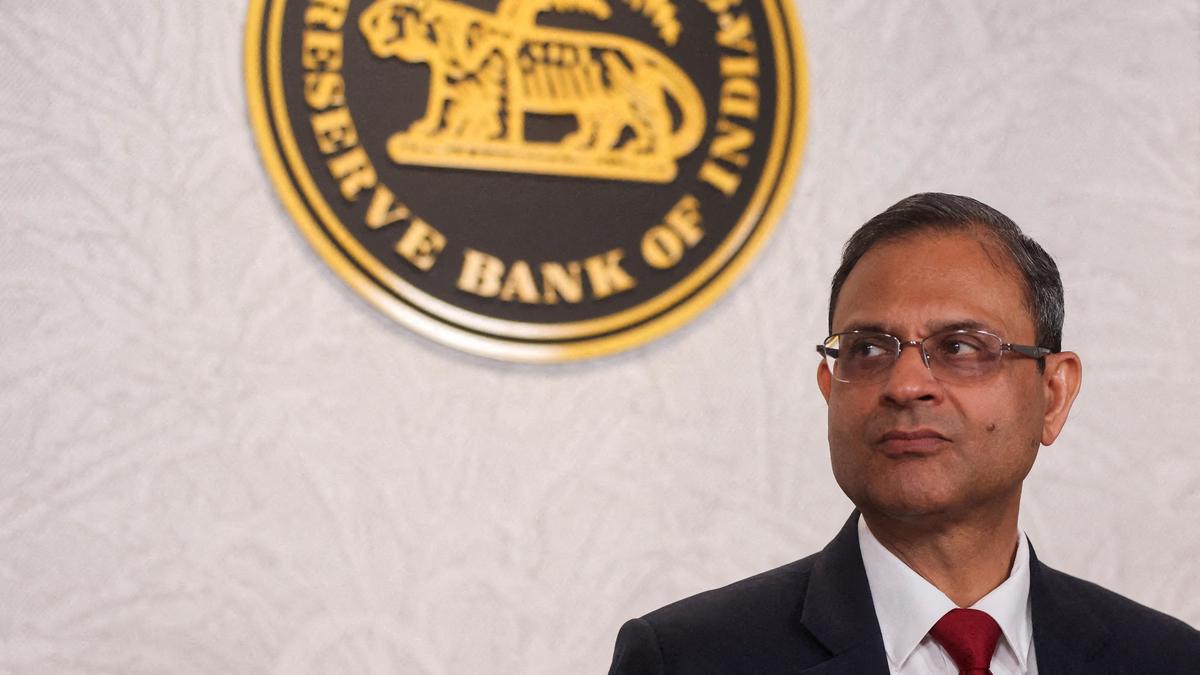
RBI Governor Sanjay Malhotra said the next financial crisis may be triggered by geopolitical shocks, cyberattacks or technology failures rather than the banking system itself, calling for stronger resilience across markets, payments, non-banks and critical infrastructure. He said India’s financial system remains strong, but warned that “today’s resilience” does not guarantee immunity from future…

Reserve Bank of India Governor Sanjay Malhotra warns that the next financial crisis could stem from a cyberattack, geopolitical event, or technological failure rather than banks or the financial sector. Speaking at the Fifth Kautilya Economic Conclave, Malhotra emphasized the need for stronger system-wide resilience against interconnected risks.
He stated that risks are increasingly exogenous, cross-border, and interconnected, and urged better understanding of the network of dependencies and contagion channels. Malhotra argued that financial stability is about strengthening resilience to face shocks and contain their amplification, not preventing inevitable ones. He called for expanding resilience beyond banks to non-bank financial intermediaries, financial markets, payment systems, technology infrastructure, critical third parties, and cross-border financial networks.
Malhotra stressed the importance of more granular data, noting that information on non-bank financial institutions, interconnected exposures, technology dependencies, and cross-border positions is currently fragmented. He highlighted that emerging technologies like artificial intelligence, tokenisation, and new forms of financial intermediation could enhance efficiency but must preserve sound institutions, settlement finality, and financial integrity.
Regarding India, Malhotra suggested that a correction in AI-related valuations in advanced economies could boost capital flows into the country. He noted that private credit remains small in India and not currently a threat to financial stability. However, he cautioned against complacency, emphasizing that today's resilience does not guarantee tomorrow's immunity and calling for vigilance against emerging vulnerabilities and continued strengthening of the financial system through resilient institutions, better data, deeper markets, credible safety nets, effective resolution mechanisms, and proactive regulation and supervision.
Written by urgent.news from The Economic Times - Economy's reporting — not their text. Machine-written — may contain errors; check the original before relying on it.