Micro Center cracks down on scalpers looking to export the RTX 5090 GPU
Micro Center is cracking down on scalpers looking to export Nvidia's RTX 5090 GPU.
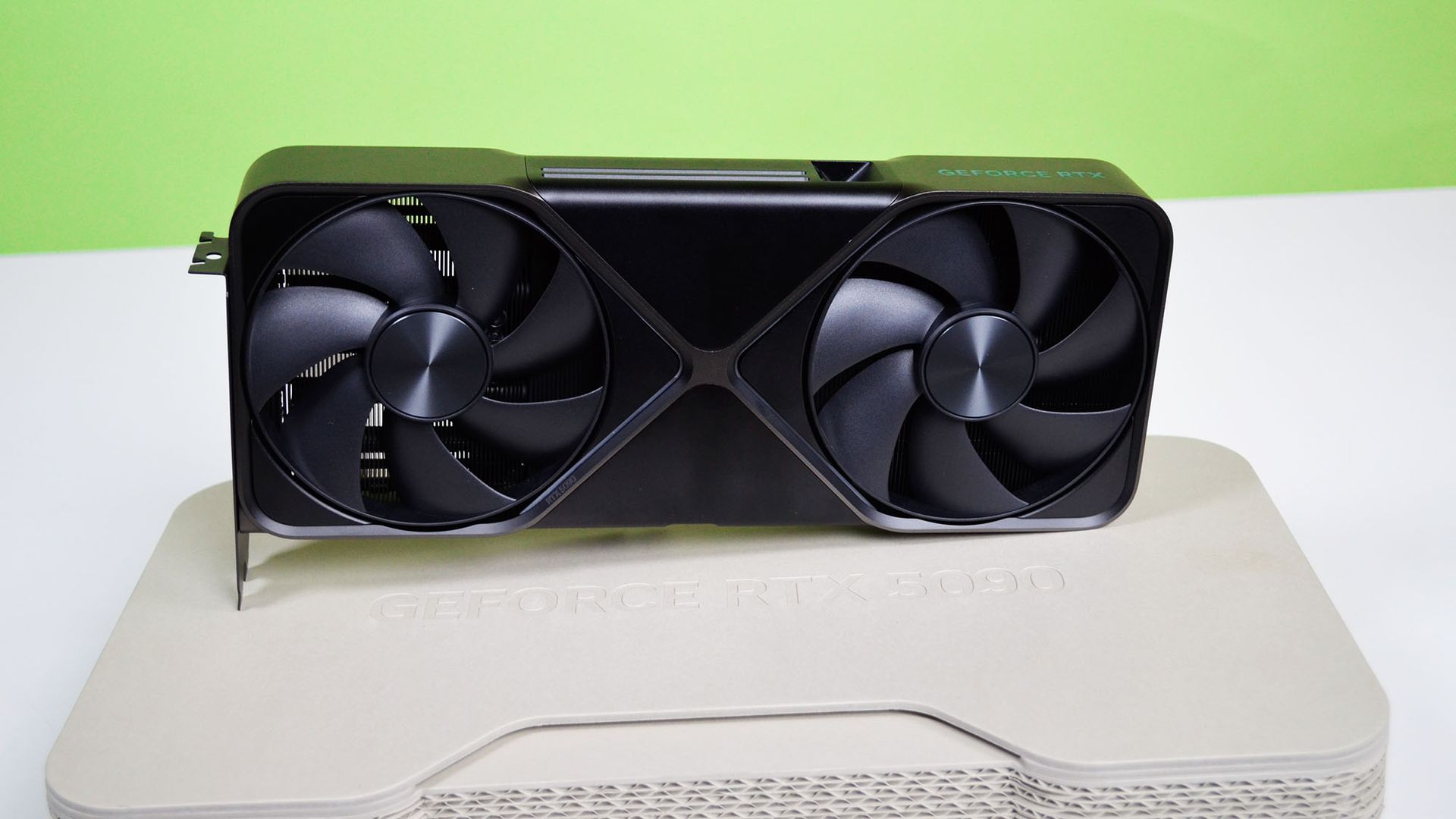
Micro Center, a popular computer retailer in the United States, has introduced new measures to curb scalpers attempting to export the RTX 5090 graphics card for profit. When purchasing an RTX 5090 or a PC with the GPU, customers are required to fill out a declaration form, which includes scanning a government-issued photo ID. This policy, initially spotted by PC Gamer, is aimed at preventing the resale of the high-demand graphics card in countries like China, where it can fetch a significant markup.
The form, which was recently implemented at the Tustin, California store and possibly the Columbus, Ohio store, has sparked mixed reactions among customers. While some view it as an effective anti-scalping measure, others find it an inconvenience or unnecessary. The Reddit community, which has been discussing this issue, is split between those who support the policy and those who believe it is a hassle.
Notably, the ID check is not legally binding, and the enforcement of the policy remains unclear. Nevertheless, Micro Center claims that the form is intended to deter GPU exporters and prevent US customers from buying the RTX 5090 and reselling it at a profit. Additionally, Micro Center has implemented a rule that limits customers to purchasing only one RTX 5090 GPU per customer, ever. This additional restriction aims to discourage scalpers from purchasing multiple units and profiting from their resale.
Written by urgent.news from TechRadar's reporting — not their text. Machine-written — may contain errors; check the original before relying on it.