Memory shortages set to persist into 2028, warns Micron CEO
Micron has warned that global RAM shortages show no sign of easing, telling investors on its earnings call that it has already sold most of next year's production. Read more
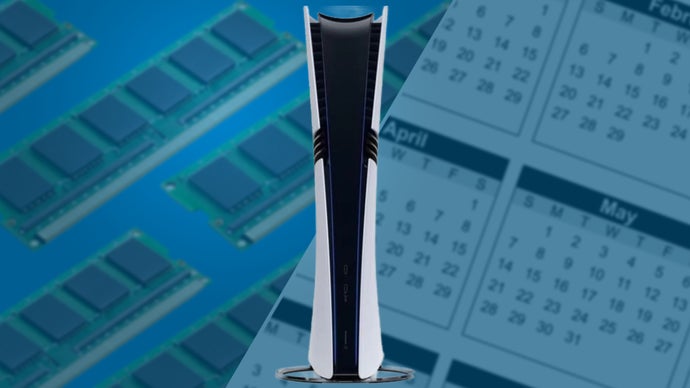
Micron Technologies, the chipmaker, has warned that global RAM shortages are not expected to improve anytime soon, according to its CEO Sanjay Mehrotra. Speaking at the company's earnings call, Mehrotra stated that the company has already sold most of its production for next year. He cautioned investors that customers should expect prices significantly higher than those seen in 2026, with demand continuing to outpace supply through 2027 and into 2028.
Mehrotra acknowledged that Micron does not have insight into when supply and demand will return to equilibrium. The majority of their capacity is dedicated to high-bandwidth memory (HBM) for artificial intelligence data centers, leaving Samsung and other memory manufacturers with little supply for consumer-grade memory. This shortage has caused a surge in prices for both consumer electronics and gaming consoles like the PlayStation 5, Xbox Series X/S, and Switch 2.
Valve's Steam Machine, which was launched at a higher-than-expected price, may also face further price increases.
Micron has plans to increase production capacity in 2028, backed by $25 billion in planned capital expenditures for the first half of its new financial year. However, executives warned that this additional capacity will not bring immediate relief in terms of price or availability. Mehrotra explained that demand for HBM is growing faster than DRAM used in servers, and Micron is working to improve its margins on HBM, which currently lag behind DRAM in profitability.
The company's cloud memory unit, which includes HBM, reported an 83% gross margin in Q4, up from 59% the previous year, while its core datacenter business, selling more DRAM, achieved a 90% margin, up from 41% in the same period. Datacenter SSD sales almost hit $10 billion for the quarter, a 1,000% increase year-on-year. The company also highlighted its collaboration with Nvidia on NV-HBM, a custom HBM4E implementation for next-generation GPUs and NVLink Fusion platforms, and its growing market for NAND-based SSDs driven by AI-driven demand for context memory storage.
Samsung, another major memory and storage manufacturer, recently delivered similarly disappointing news, stating that the global component shortage crisis is expected to worsen into the next year.
Written by urgent.news from Eurogamer's reporting — not their text. Machine-written — may contain errors; check the original before relying on it.