Latvia holds election as concerns over Russia, inflation dominate
Latvia will vote on Saturday in an election shaped by concerns over neighbouring Russia and the cost of living, but the result is not expected to steer the country off its pro-European and pro-Ukrainian course. The centre-right United List party of incumbent Prime Minister Andris Kulbergs is at the head of the race, with over 14 per cent of the vote, according to the SKDS institute. His…
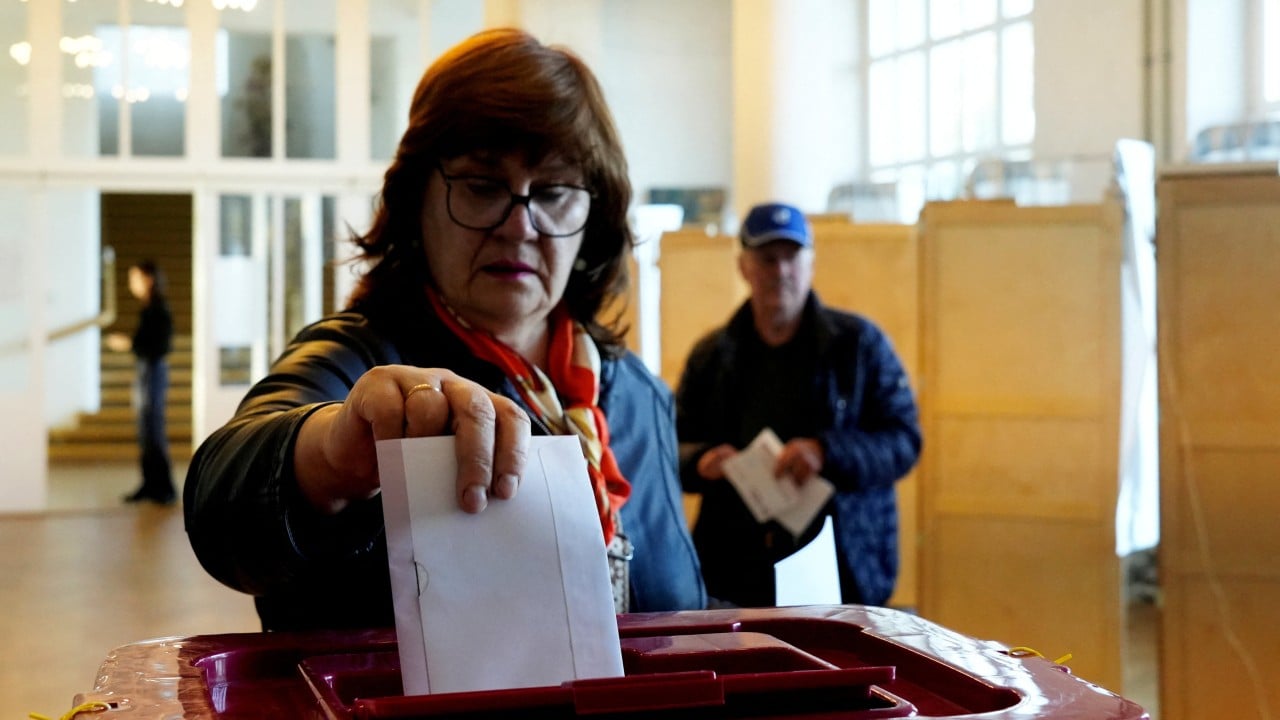
Latvia will hold an election on Saturday, influenced by tensions with Russia and the economic burden on its citizens, but analysts anticipate the outcome will not divert the nation from its pro-European and pro-Ukrainian stance. The incumbent Prime Minister, Andris Kulbergs, leads the United List party, which commands over 14% of the vote, as per the SKDS institute.
However, the coalition is anticipated to lose strength due to the rise of populist parties emphasizing economic issues amid Latvia's economic struggles. The Sovereign Power party, led by Julija Stepanenko, enjoys over 9% support and could potentially become the second-largest party in the 100-seat parliament. This party has opposed providing military aid to Ukraine and enhancing defense spending, instead highlighting domestic economic challenges.
Despite its progress, the party is unlikely to join the government, as most major parties have rejected cooperation with it. Another populist contender, Latvia First, headed by Ainars Slesers, might prove a more promising coalition partner. The Progressives, a pro-European social democratic party advocating for better social protections and ongoing support for Ukraine, garner around 6% of the vote.
With nearly one-fifth of voters still undecided, the final makeup of the next parliament remains unclear. Fourteen electoral lists are competing in the election, but only seven are expected to surpass the 5% threshold necessary for entry into parliament. Security remains a central political concern, four years after Russia's invasion of Ukraine.
Latvia, a NATO and EU member since 2004, views Russia as its primary security threat and has substantially increased defense spending since the 2022 invasion of Kyiv, now allocating nearly 5% of its GDP to defense. Most parties likely to enter parliament back the sustained military spending and continued aid to Kyiv. However, economic concerns persist as a key issue for voters, with debates focusing on rising living costs, low wages, healthcare system strain, and population decline.
As the Russian-speaking minority in Latvia changes its voting patterns, shifting from identity politics to economic and social issues, the post-election focus will swiftly transition to coalition negotiations, potentially lengthy and intricate.
Written by urgent.news from South China Morning Post's reporting — not their text. Machine-written — may contain errors; check the original before relying on it.