Island hosts inter-island environment summit
The annual event brings together delegates to share ideas and develop joint projects.
Environmental authorities, conservation organizations, and businesses from across the British Isles and France convened in Guernsey for the 26th Inter-Island Environment Meeting. Organized by the Guernsey Nature Commission, the annual gathering serves as a platform for delegates to exchange ideas and collaborate on projects to safeguard the natural environment.
This year's focus, "Nature for the Next Generation," encompasses discussions on topics such as seabird restoration, woodland resilience, butterfly monitoring in Sark, and citizen science initiatives.
A dedicated Sixth Form Environment Meeting enabled young participants to voice their environmental concerns and propose innovative solutions for the future. Students will engage in workshops related to Guernsey's upcoming Marine Spatial Plan, which will inform discussions on the protection and management of the island's marine resources.
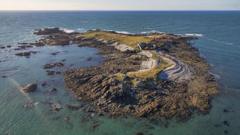
Angela Salmon, head of education at the Nature Commission and a member of the meeting group, emphasized the significance of inviting sixth formers to share their environmental priorities. Among the attendees was Sebastian Dufour, an independent consultant for the Alderney Wildlife Trust, who participated in a field trip to Lihou Island to study its ecology and archaeology.
Dufour highlighted the island's intriguing Benedictine Priory site and the discovery of a substantial seaweed harvesting industry. He valued the collaborative atmosphere of the event, stating that attendees come from various islands facing similar environmental challenges. Dufour noted that the annual meeting offers an opportunity to learn from one another, share successes and setbacks, and foster collective progress.
The inter-island environment summit fosters collaboration among delegates from diverse regions, enabling them to exchange knowledge, experiences, and strategies to address environmental issues collectively.
Written by urgent.news from BBC Science's reporting — not their text. Machine-written — may contain errors; check the original before relying on it.