Inside Bandhavgarh’s forests: The evolving nature of tiger tourism
We step into Madhya Pradesh’s Bandhavgarh forests to see tigers. We come back with a grand sighting, lessons on ecology and responsible tiger tourism.
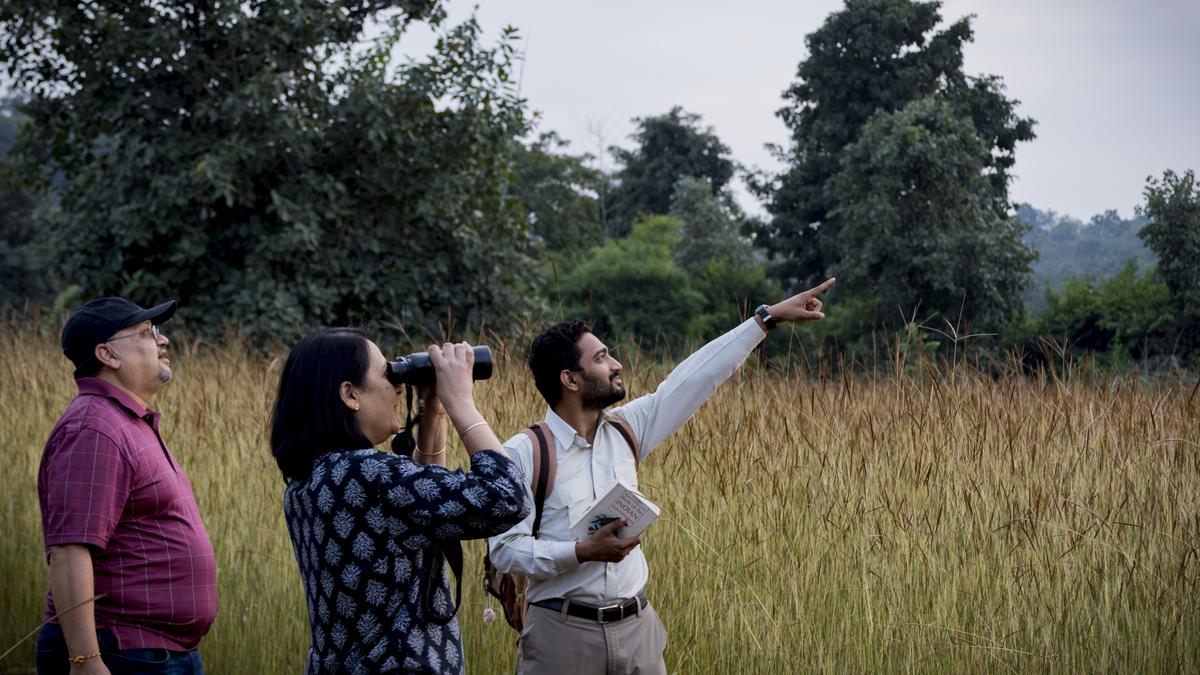
In Bandhavgarh's forests, the evolving nature of tiger tourism is evident as visitors strive to capture sightings of the majestic Bengal tigers. Samrat, an 8-year-old male tiger, is one of the 100-plus tigers that call the reserve his home. Located in Madhya Pradesh, Bandhavgarh is a tiger reserve that was declared a National Park in previous decades. The park is teeming with various flora and fauna, with the tiger being its star attraction, boasting a population of 164 tigers.
The reserve is divided into core and buffer zones, with the latter being home to sub-adult tigers that rely on these zones for easier prey. According to Manav Khanduja of Pugdundee Safaris, tourists are increasingly opting to visit the buffer zones, a trend that was not prevalent a few years ago. This shift is due to the immense pressure to spot tigers, a phenomenon that used to be popular in the past, with elephants employed to assist tourists in spotting tigers.
The story of Bandhavgarh begins with the fort, which is believed to be over 1000 years old and possibly built by Lord Rama for his brother Lakshman. The fort later became a hunting ground for kings, with Maharaja Marthand Singh of Rewa credited with establishing and conserving the National Park in the Sixties. Today, tourists can plan safaris within the park, but mobile phones are prohibited, as per a Supreme Court ruling, to ensure responsible wildlife tourism and minimize stress for the animals.
The focus of tiger tourism has shifted from observing the beauty and grandeur of the tiger to capturing footage and photos. Visitors are encouraged to avoid using their phones to enhance their chances of sighting tigers, as past cases have involved tourists attempting to take selfies with the majestic animals.
Written by urgent.news from The Hindu's reporting — not their text. Machine-written — may contain errors; check the original before relying on it.