Indians live longer than Pakistanis, lag Bangladeshis, says WHO
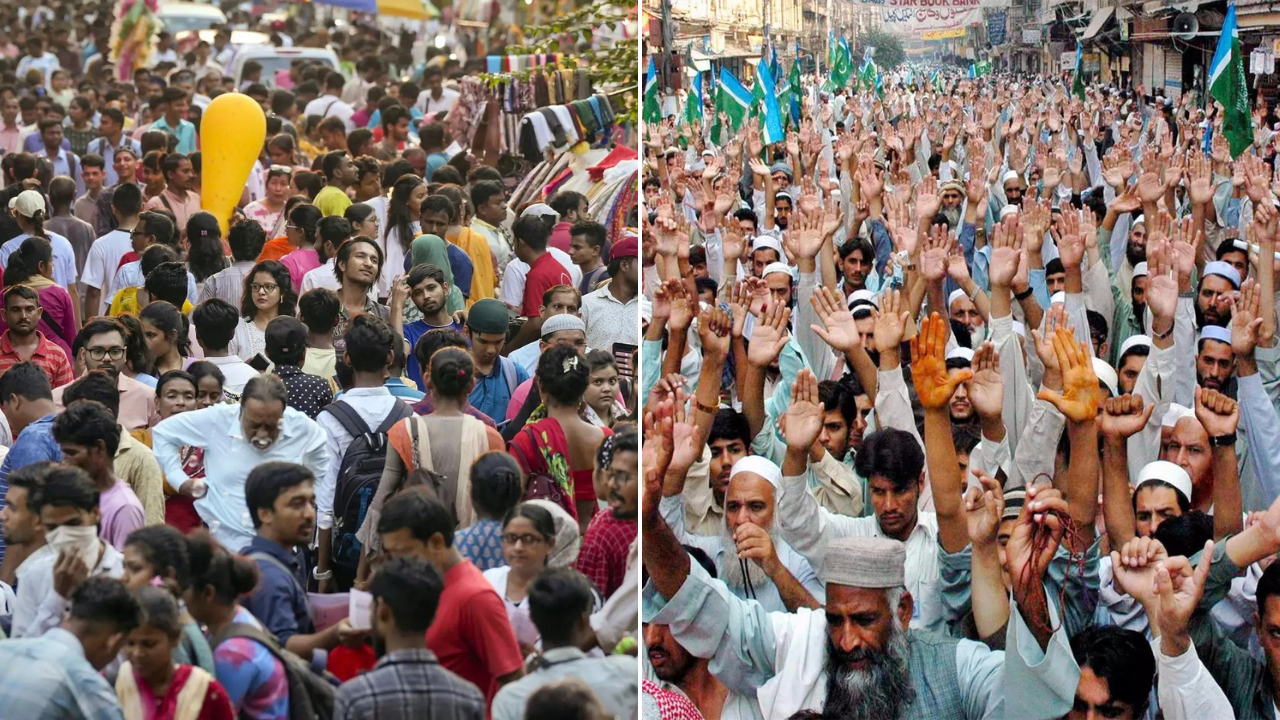
India's life expectancy at birth in 2023 stood at 71 years, outpacing Pakistan at 68.2 years, but falling short of Bangladesh's 72.7 years. The United States and Canada boasted even higher life expectancies of 78.5 and 81.4 years, respectively, according to the latest World Health Organization estimates. However, living longer does not guarantee better health.
India's healthy life expectancy, which measures years lived in good health, remained stagnant at 60.6 years in 2023, unchanged from 2019. It briefly declined to 58.4 years in 2021 before a slight rebound to 60.2 years in 2022. These figures are part of the WHO's Global Health Estimates, which track life expectancy, healthy life expectancy, causes of death, and disease burden from 2000 to 2023.
The WHO reported that global life expectancy rebounded to near pre-pandemic levels, while healthy life expectancy has grown more slowly over the same period.
India experienced a notable rebound in life expectancy between 2021 and 2023, with a 2.9-year increase. However, healthy life expectancy only recovered by 2.2 years over the same period, holding steady at just 0.1 year above the 2019 level. This disparity is particularly evident among older Indians. At age 60, life expectancy was projected to reach 18.8 more years in 2023, compared to 18.4 years in 2019. Nevertheless, only 13.7 of those years were anticipated to be lived in full health, up from 13.4 years in 2019.
India's disease profile has undergone a significant transformation. Communicable diseases, such as tuberculosis and diarrhoeal infections, accounted for nearly 62% of the top 10 leading causes of death in 2000, while non-communicable diseases (NCDs), like heart disease, stroke, and diabetes, made up 34%. By 2023, the distribution had shifted, with NCDs now accounting for 75% of the top 10 causes, compared to 16% for communicable diseases.
The remaining share was attributed to injuries. This shift is reflected in the leading causes of death. In 2000, tuberculosis and diarrhoeal diseases topped the list, responsible for 92.4 and 87.8 deaths per 100,000 people, respectively. By 2023, ischaemic heart disease, chronic obstructive pulmonary disease, stroke, and diabetes emerged as the leading causes, with rates of 138.5, 83.19, 74.8, and 49.01 deaths per 100,000 people, respectively.
Yet, infectious diseases continue to pose a substantial burden, with diarrhoeal diseases, tuberculosis, and lower respiratory infections still among India's top 10 causes of death in 2023.
Globally, the trend towards chronic diseases is equally pronounced. In 2023, NCDs accounted for 74% of deaths, up from 58% in 2000, while eight of the world's 10 leading causes of death were NCDs. Global life expectancy in 2023 reached 73.3 years, nearly matching the 73.4 years recorded in 2019. However, healthy life expectancy remained 0.4 years below its 2019 level.
Written by urgent.news from Times of India's reporting — not their text. Machine-written — may contain errors; check the original before relying on it.