India–Europe trade plan has more to offer than rail
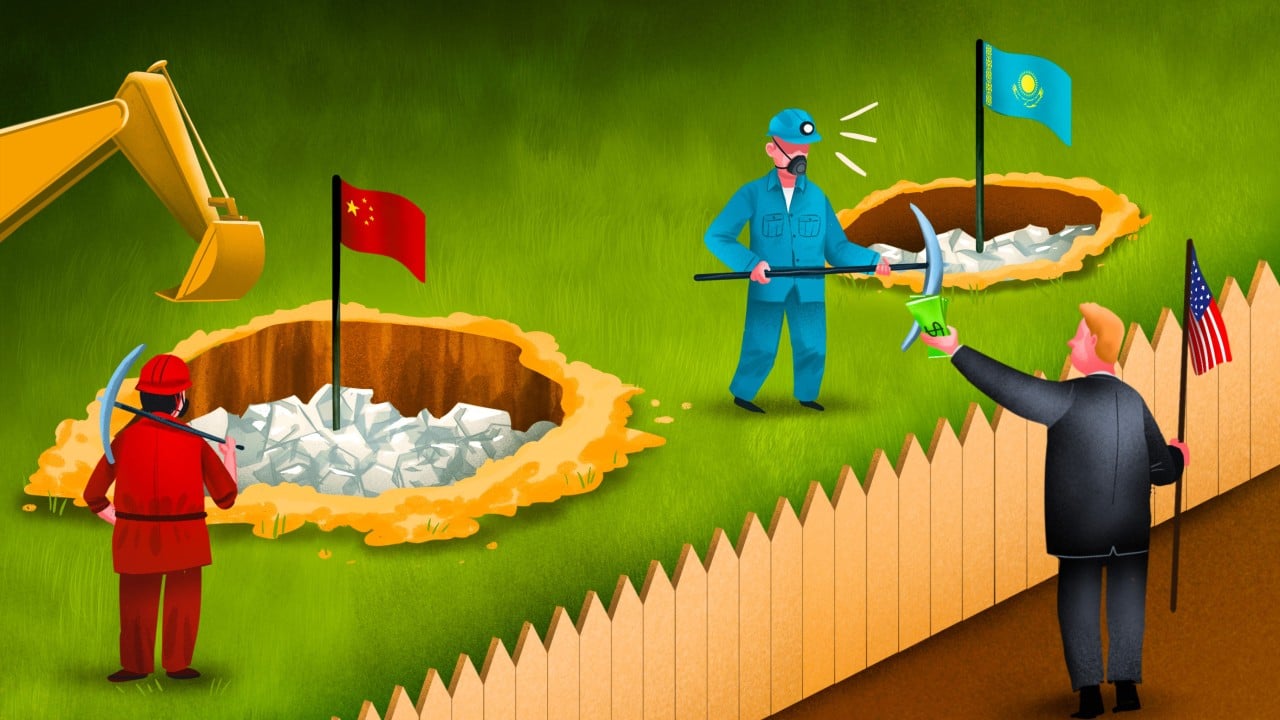
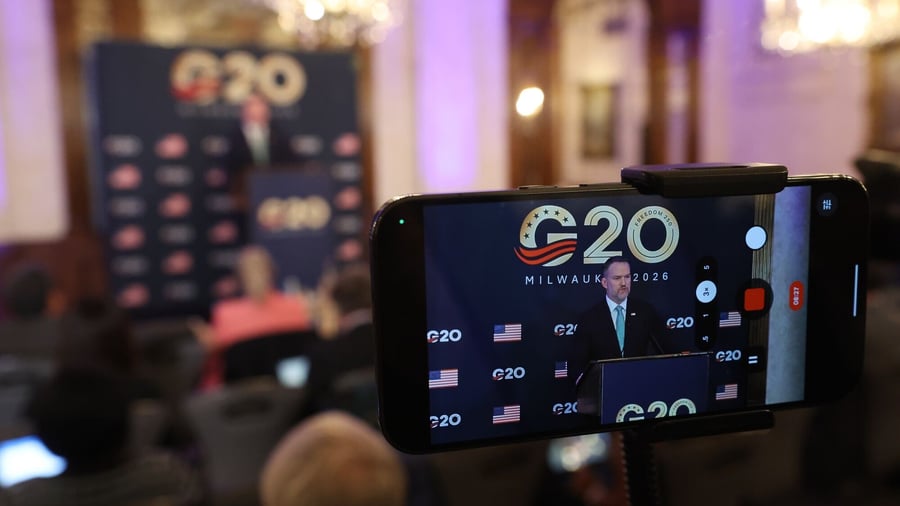
If you have heard more about the India–Middle East–Europe Economic Corridor lately, you may be picturing containers moving between India and Europe by ship and train. That is the plan’s biggest promise. It may also be the part that takes the longest to deliver. IMEC is about more than moving goods. The agreement announced at the 2023 G20 summit also sets out plans for digital and electricity…
The India–Middle East–Europe Economic Corridor (IMEC) is a multi-faceted trade plan that goes beyond just building a railway between India and Europe. Announced at the 2023 G20 summit, the agreement also covers digital cables, electricity, and clean hydrogen exports. Each element has its own funding needs and timeline, and should not be judged solely by the railway's progress.
A successful cable that secures investment and provides a useful connection, even without a freight route, would be a significant achievement. The railway's delays would not halt a separate digital project. Recent efforts to revive interest in IMEC are driven by a renewed push from former U.S. President Donald Trump, who sees it as a route less exposed to disruption like that in the Strait of Hormuz.
The digital component of IMEC involves a 9,000km subsea cable costing €400 million, of which €37 million comes from the EU. This gives a concrete example of how the corridor progresses. However, the railway and its electricity and hydrogen initiatives have not yet been funded or started construction. Each project must be evaluated separately, based on its own merits and commercial viability.
For the freight service, the challenge is significant due to the multi-modal nature of the journey. A container would travel by ship to a Gulf port, then by train to the Mediterranean, and finally by sea again to Europe. This adds considerable time and cost. To attract customers, the overland railway must offer a clear advantage over existing shipping routes.
The UAE's proposed freight railway to Haifa in Israel poses a $4.86 billion to $5.18 billion funding gap for just one section of the route. This highlights the scale of investment required for a complete corridor. While a railway would bring its own set of challenges, such as border procedures and reliable schedules, it could provide an alternative route for businesses seeking greater security.
Assessing IMEC's progress project by project, rather than as a whole, makes sense. If a digital cable secures customers, it can move forward while the railway's challenges are addressed. The same approach could apply to other segments like electricity or hydrogen. European Commission President Ursula von der Leyen emphasized in April 2026 the need to advance such connectivity projects, urging for alternatives to rely solely on the Hormuz Strait.
The focus now should be on turning this political support into tangible projects with clear costs, customers, and schedules.
Written by urgent.news from Gulf News's reporting — not their text. Machine-written — may contain errors; check the original before relying on it.