In India’s education debate, the ‘fourth language’ we are leaving out
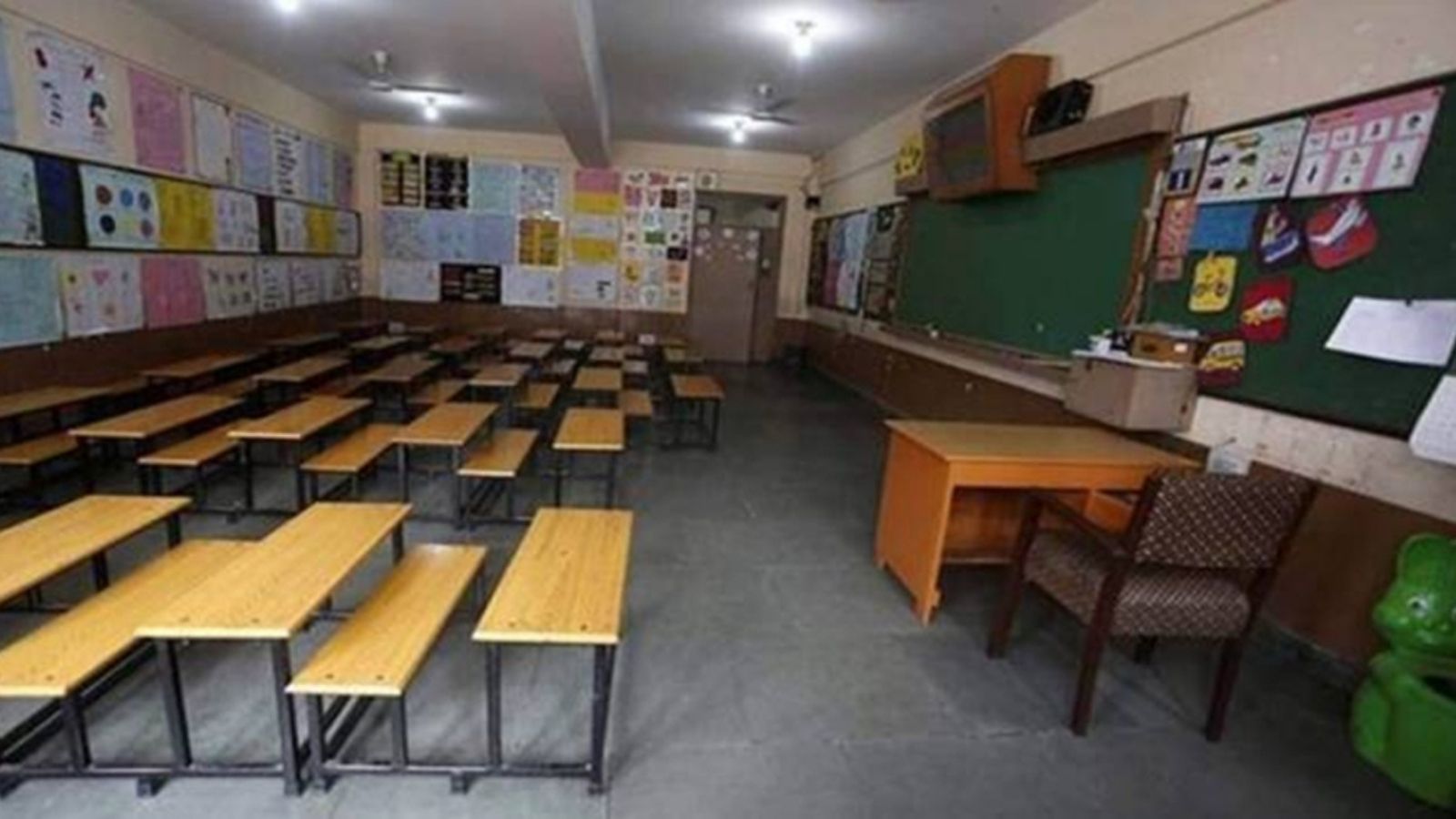
In the ongoing debate about India's education system, a crucial element is often overlooked: the "fourth language." This term refers to the language in which a child first learns, which can significantly impact their future learning experience and success. The article discusses how language can become a barrier to a child's understanding and confidence.
For instance, a young girl who talks freely at home faces challenges at school when the teacher explains lessons in a language she barely understands. This language barrier can lead to feelings of inadequacy and diminish her belief in her own intelligence. The article emphasizes the importance of a familiar language in fostering a student's willingness to ask questions, challenge information, experiment, and imagine new ideas.
It argues that while English can open numerous doors, it is the child's mother tongue that lays the foundation for their learning journey. The writer, Vineet Nayar, suggests that instead of pushing children to master multiple languages at once, the focus should be on building confidence in their first language. This confidence should then be used to introduce them to other languages, including English.
The article introduces the concept of the "fourth language" - the language of questions. This language is not taught through memorization, but rather grows in an environment where curiosity is encouraged and questioning is seen as a strength. It is developed in the first classroom where a child feels heard and valued. The writer concludes by urging those involved in education policy to consider the initial language as crucial, as it sets the tone for a child's confidence and ability to learn, paving the way for the development of the "fourth language" - the courage to question.
Written by urgent.news from The Indian Express's reporting — not their text. Machine-written — may contain errors; check the original before relying on it.